
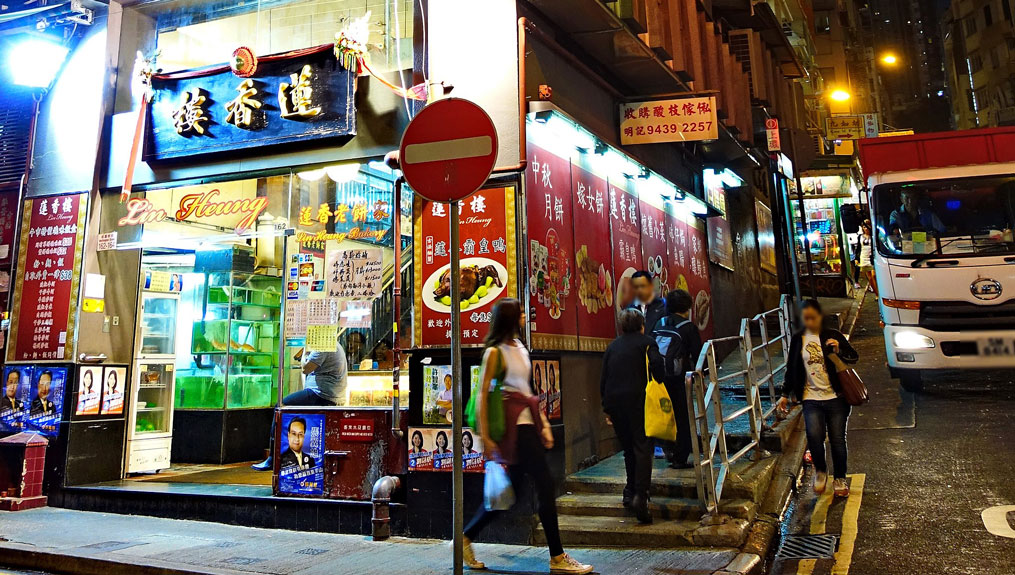
One of Hong Kong’s best-known tea houses is living out its final days in the most expensive city in the world. Lin Heung Tea House is listed on nearly every “Best of Hong Kong” list and became a time capsule where China’s traditional restaurant culture of shared tables, “trolley aunties,” and chaotic dining rooms serving fresh tea and dim sum (locally called yum cha) continued to live on in modern day. The Ngan family opened their first tea house 130 years ago in Guangdong and later immigrated to Hong Kong in 1918, where they opened three branches of Lin Heung. The only location left, which opened in 1996, will be forced to close at the end of February due to the landlord refusing to extend Lin Heung’s lease. According to the South China Morning Post, CSI Properties spent roughly $45.4 million USD over the last four years acquiring 90 percent of the property where the tea house currently resides. According to Hong Kong law, once a landlord owns 80 percent or more of the units in a property, compulsory purchase of additional units is allowed if the owner intends to redevelop the site—leading to speculation that CSI Properties intends to demolish and construct a new building on the site.
Share This Article

Join 12,500+ coffee leaders and get top stories, deals, and other industry goodies in your inbox each week.



Other Articles You May Like

How an Assam Tea Estate Produced India’s First Homegrown Matcha
After decades of development, Chota Tingrai Tea Estate released India’s first commercial batch of matcha this summer. But while it takes inspiration from Japanese matcha, this “matcha Assamica” is its own unique product.
Tea Refreshers Are Winning Over the Non-Coffee Crowd
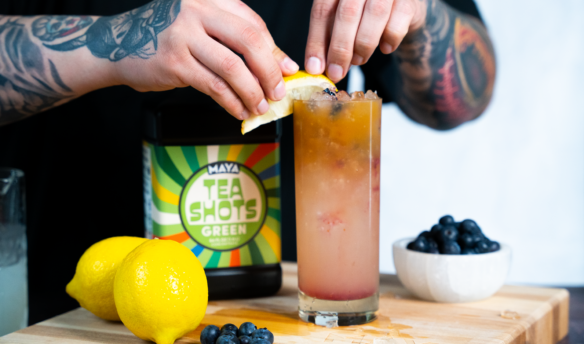
At one Texas cafe, tea refreshers now make up 30% of drink sales. Owners say the drinks are a great way to bring in customers who don’t want coffee.

A Scientist’s Guide to the Perfect Cup: Michelle Francl on the Chemistry of Tea
Can chemistry help us make a better cup of tea? As professor and author Michelle Francl discovered, the answer is yes—and you don’t need to be a scientist to apply her findings.
The Matcha Boom Is Reshaping Cafes. How Long Before It Hits a Wall?
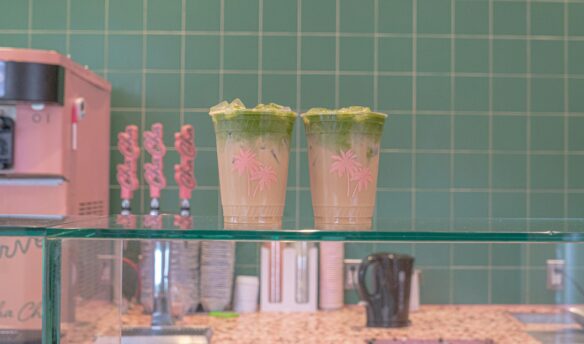
The fast-growing matcha market is expected to be worth $7 billion by 2030—but as the drink soars in popularity, shortages and price hikes may temper its ascendancy.