
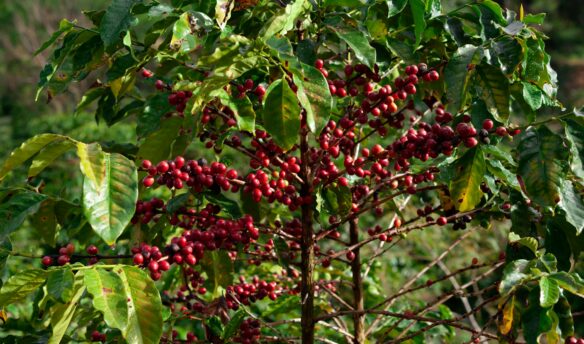
Arabica Market Falls to Its Lowest Since June
An election in Brazil, a weakened real against the dollar, and a strong harvest have pushed prices downward.

Coffee News Club: November 16th
Scientists create a filter to remove caffeine during brewing. Plus, arabica prices are falling, and Blueprint Coffee is returning tariff refunds to customers.

New Study Explains Why We Learn to Love Bitter Coffee
Researchers say a “slow” dopamine circuit connecting the gut and brain teaches us to link coffee’s bitter flavor with caffeine’s positive effects.
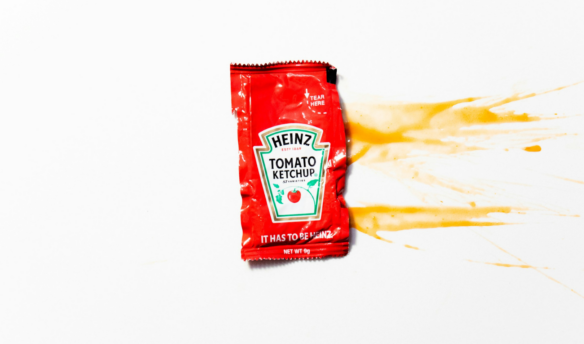
Kraft Heinz Sells Maxwell House and Other Coffee Brands to Private Equity
One Rock Capital Partners will take over North American brands Maxwell House, Sanka, Tassimo, and Gevalia in a $650 million deal expected to close mid-2027.
Coffee News Club: November 9
Researchers discover why we love bitter coffee. Plus, Kraft Heinz sells its coffee arm to private equity, and El Niño continues to threaten coffee production.
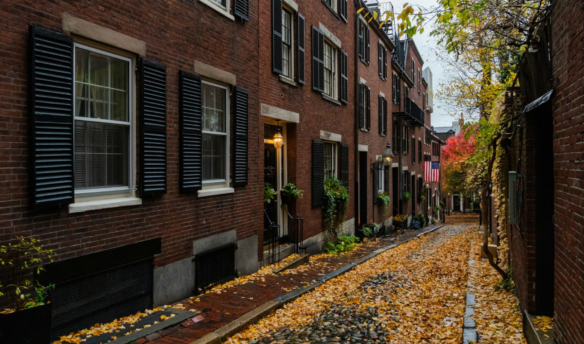
George Howell Cafes Near Closed Starbucks Stores See Specialty Drink Sales Jump 30% to 35%
Starbucks has closed nearly 20 Boston-area stores in the past year, leaving one downtown. Other cafes see more traffic but can’t link it to the closures.

Bodum Recalls 5.9 Million French Presses. The Fix Is a Plastic Spoon.
If you’ve ever broken a Bodum carafe, you’re in good company. Bodum has received 70 breakage and 48 burn reports, and the recall spans 52 years of sales.

Coffee News Club: November 2nd
As Starbucks pulls back from Boston, indie cafes benefit. Plus, Bodum recalls 5.9 million French presses, and China’s Pan Wei is the new World Barista Champion.
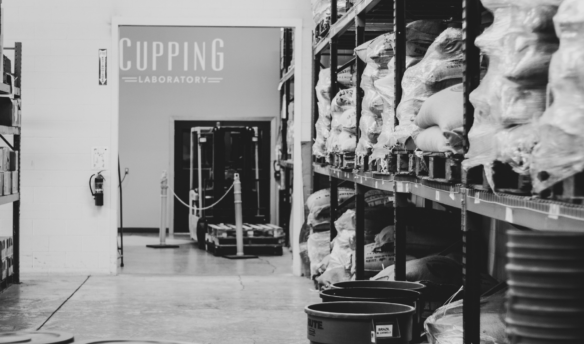
Coffee Warehouse Stockpiles Are Low, Keeping Futures High
Brazil’s bumper coffee harvest was forecast to ease global prices, which hit record highs last year. However, futures prices remain elevated. As Cole Martin reports for Bloomberg, this can partly be put down to…

U.S. Funds New Coffee and Cacao Research Led by UH Mānoa and Clemson
The new Coffee and Cacao Innovation Lab will research hardier crops and more resilient farming practices, with $8 million from the State Department in year one.