Photo: Food 4 Farmers
Food 4 Farmers and Grow Ahead, a crowdfunding platform supporting small-scale farmers addressing climate change, are partnering with Indigenous and women-led farming cooperatives in a new initiative.
Together, they are introducing three crowdfunding campaigns that will plant thousands of food and habitat trees in Colombia, Guatemala, and Nicaragua.
“Community-led agroforestry projects help farming families, especially women and Indigenous communities, take the lead in addressing the challenges posed by climate change and global food supply chains. This campaign will deliver more financial security, better health, and more resilient local ecosystems,” says Janice Nadworny, co-director of Food 4 Farmers. “Transforming monoculture coffee farms into biodiverse food forests, and the habitat they create, will have a powerful, visible impact throughout the communities and regions where we work.”

Using Grow Ahead’s website, people from around the world can learn more and support these three new food security reforestation campaigns through the platform:
SOPPEXCCA – Women-led Reforestation in Nicaragua
The SOPPEXCCA coffee cooperative plans to plant 34,950 trees and plants on 103 women-run coffee farms and home gardens. The women of SOPPEXCCA have developed the first organic farmers market in Jinotega to bring fruits, vegetables, and other products to a city of 130,000 people with little access to chemical-free food.
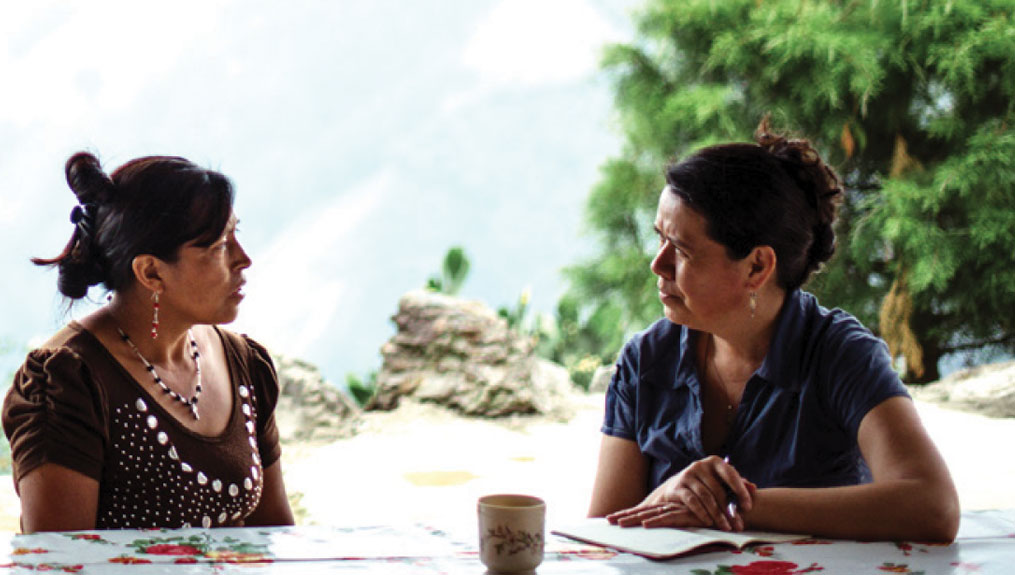
“When women have access to the means of production of food, they have access to local markets and can move toward economic independence,” says Fatima Ismael, Director of SOPPEXCCA. “With women making up 40% of SOPPEXCCA‘s membership, the cooperative plays an important role in the empowerment of women in local communities, by centering women farmer leadership.”
COMPECAFE – Indigenous-led Reforestation in Colombia
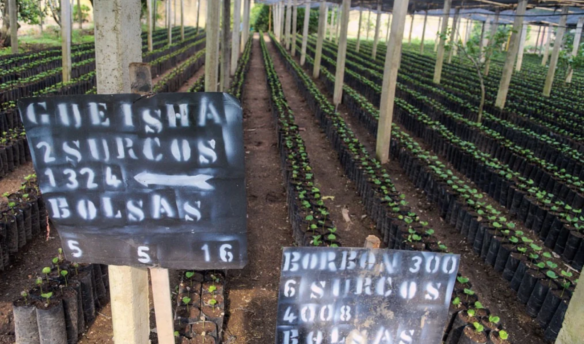
COMPECAFE is a coffee cooperative of 1,400 indigenous small-scale coffee farmers in the northern mountains of Cauca. This project will plant 16,875 trees, add a new tree nursery, and include hardwoods, bananas, plantains, bamboo and fruit trees – for food production, shading coffee plants and water conservation for 150 families.
Maya Ixil – Reforestation and Beekeeping in Guatemala
Maya Ixil, a cooperative of 200 Indigenous small-scale coffee farmers, will plant 42,000 trees and cover crops on 200 farms. The trees and cover crops will also support the Maya Ixil beekeeping program, by increasing pollination and the productivity of local food production.