Content Sponsored by Gaviña
[N]early two decades ago, Gaviña launched their Direct Impact initiative as a promise to provide premium coffee with a greener footprint. Since then, every business decision they’ve made has been influenced by their commitment to preserve coffee resources for future generations.
Direct Impact focuses on bettering farmer relationships, sourcing sustainably, preserving the environment, and social stewardship. These are a few of the standards and goals Gaviña has set and achieved:
-
- Provide sustainable farming assistance, community infrastructure development, education, and healthcare programs to improve coffee farmers’ livelihoods.
- Coffees certified by Fair Trade USA, Rainforest Alliance, UTZ, or USDA Organic to promote long-term sustainability.
- Zero waste-to-landfill facility with goals to increase energy conservation and water conservation by 25% and 35% within the next year.
- Support over 300 local and global charities with in-kind and monetary donations.
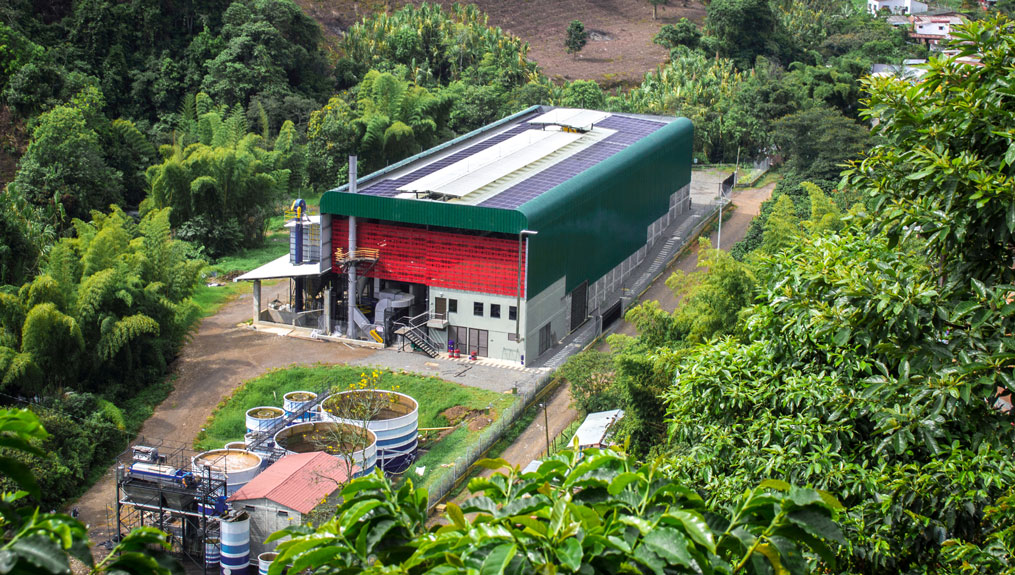
 One of their most recent sustainability initiatives was the La Chaparrala Wet Mill in Andes, Colombia, built in partnership with the delosAndes Cooperativa, which is the largest cooperative exporter for coffee growers in Colombia. Their goal with the project was to benefit more than 600 coffee farmers by increasing productivity, improving the quality of coffee, and reducing the carbon footprint for the area.
Before the wet mill’s completion, farmers would process their coffee cherries into parchment on their farm and sell them to a dry mill in order to receive payment. The processing water was released directly into the nearby river, contaminating the community’s main source of water. The region has experienced significant improvements since the completion of the wet mill:
-
- 90% reduction in energy usage
- 100% of the waste water is treated and safe
- 80% reduction in water usage
- 30% increase in coffee yield and quality
- Farmers have received immediate payment
- Farmers have been able to spend more quality time with family
Gaviña is proud to have played a role in these improvements. Learn more about Gaviña’s commitment to a sustainable coffee future by visiting www.gavinacoffeesolutions.com.