World Coffee Research Shares Findings from a New Study

by

Editorial Policy

Published on

Last updated on

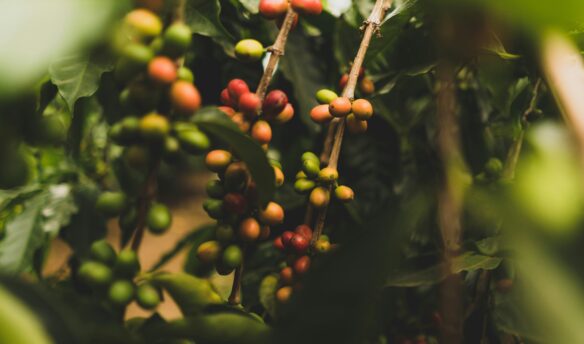
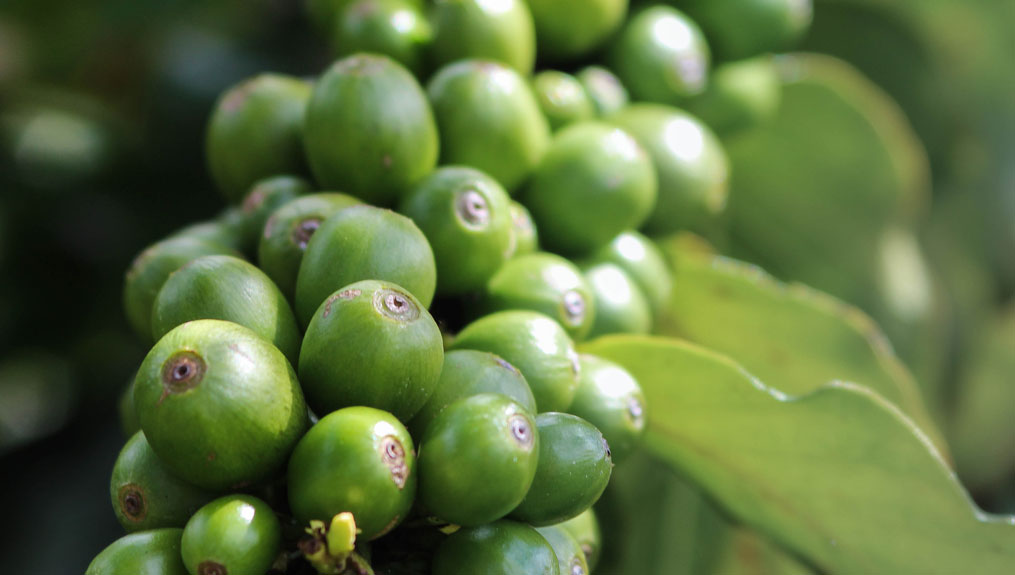
A World Coffee Research study traces the history of the Coffea arabica species and found it is likely that C. arabica came from one ancestral plant from 10,000 to 20,000 years ago.

“This means that a single plant, a super-individual, has given birth to the whole C. Arabica species and to the millions of trees that are cultivated today all over the world in the intertropical belt,” says co-author and coffee breeder Benoit Bertrand of CIRAD.

The study was published in Nature Scientific Reports, with the results expected to have “important implications for the future of coffee breeding programs worldwide, which typically seek to exploit genetic diversity to help farmers meet challenges ranging from a changing climate to diseases and pests,” according to World Coffee Research.


Share This Article

Fresh Cup Staff

Join 8,500+ coffee leaders and get top stories, deals, and other industry goodies in your inbox each week.

This field is for validation purposes and should be left unchanged.


Other Articles You May Like

How India Acquired a Taste for Specialty Coffee

From updated growing standards to experiential cafes, a new generation of growers, roasters, and consumers is redefining what Indian coffee can be.
by Sohel Sarkar | November 21, 2025

Eleven Roasters Say What They Really Think About Coffee Tariffs

Policy around coffee tariffs keeps changing, leaving U.S. roasters in limbo. We spoke with 11 roasters to learn how the uncertainty is reshaping their businesses.
by Garrett Oden | November 7, 2025

Lessons From Coffee’s Forgotten Foe

Coffee wilt disease once wreaked havoc on Africa’s robusta farms. Today, the disease is mostly forgotten—but its lessons must be remembered.
by Fionn Pooler | October 24, 2025

Coffee Is a Fruit: Why Cascara Is Key to a More Circular Coffee Industry

Only 1–5% of the original coffee cherry ends up in your cup—but it doesn’t have to be that way. Here’s how the coffee industry can move beyond the bean.
by Chloé Skye Weiser | October 10, 2025