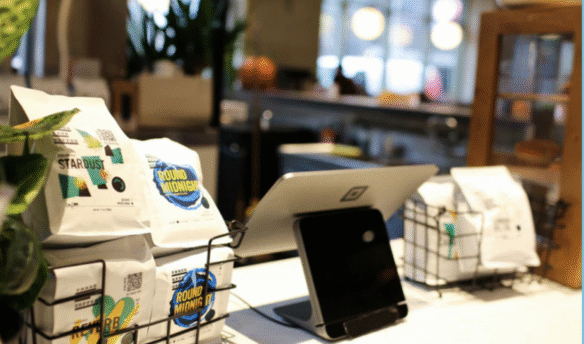
The Coffee Tech Stack series is presented by our partner, Square.

It’s no secret that coffee shops rely heavily on physical equipment. Espresso machines crank out shots and lattes; batch brewers fuel the morning rush; and ovens, toasters, and panini presses kick into high gear during lunch hours.
But behind the scenes—and beyond the physical gear—most cafes also rely on a whole library of software. These tools quietly operate in the background, keeping everything organized and running smoothly. Or they do as long as you have the right ones in place.
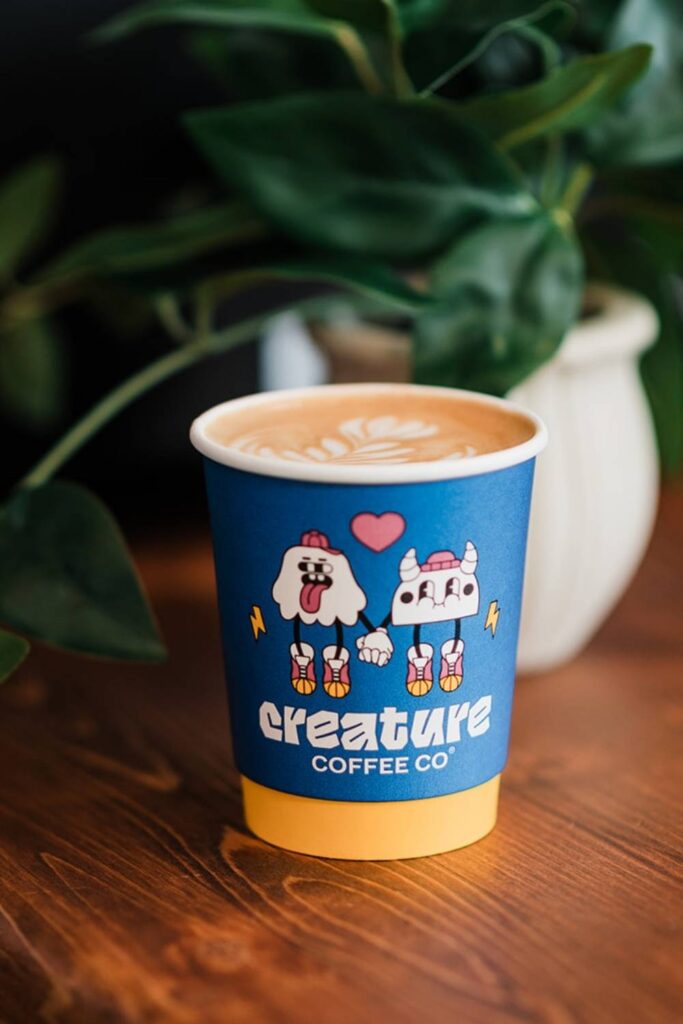
That’s something Michael Craig, the CEO of Creature Coffee Co, learned quickly. His company started as a single cart in Austin, Texas in 2018, running events out of an old Hyundai Accent. But now, Creature operates 25 carts and serves coffee at 1,500 events annually. With teams in both Austin and Seattle, Creature depends on a range of software to power its nationwide coffee catering events; develop its ecommerce strategy; and grow into new ventures, like wholesale roasting.
“Ultimately, we want to make it as easy as we possibly can for anyone to purchase Creature Coffee or become a customer,” says Craig.

For today’s coffee shop owners, selecting the right software is clearly as important as picking an espresso machine. A well-chosen combination of tools—collectively referred to as a shop’s tech stack—can help cafes do everything from capture customer transactions and organize barista schedules to cost out recipes and promote their businesses.

As Craig soon discovered, selecting the right software makes the difference between wading through paperwork and struggling to refine processes versus effectively running operations and focusing on growth.
The Sales Tech That Helps Creature Coffee Stay Booked
Creature Coffee Co is known primarily for its coffee cart catering services. It serves coffee at events ranging from weddings and corporate gatherings to major brand activations. These events are collectively responsible for a significant portion of its revenue and growth.
“We have a whole host of tools to enable our team to do their work, whether that’s checklists or CRMs,” Craig says. “I never realized how much tech we actually had until I started listing it all down.”
Every piece of technology has a specific task that directly serves the brand’s objectives. “Our tech stack is pretty advanced for a company of this size,” says Addison Turner, marketing manager for Creature Coffee. “I’m always impressed with the way we have it set up and organized.”


To manage each event, the team starts with FlashQuotes, a program that clients use to book Creature for an event. Its functionality encompasses everything from invoicing to creating task lists and scheduling baristas.
Craig notes that, out of all the tech that the company utilizes, FlashQuotes is the one his team turns to the most. “FlashQuotes is pretty powerful,” he says.
Crucially, FlashQuotes provides Creature’s prospective coffee catering clients with instant quotes. By entering the time duration of their event, plus the number of guests and a few additional details, customers can receive an estimated quote immediately.
Every lead enters Creature’s system through FlashQuotes. From there, the sales team uses a customer relationship manager called Close to continue the conversation. “As they move through conversations with our sales team, that is all captured in Close,” says Turner. “This speaks to FlashQuotes and allows our operations team to then see all of the different add-ons, how many carts are needed, and such.”
Through these two, linked software platforms, Creature’s sales and operations teams are able to directly communicate with prospective clients, and know exactly what’s needed to execute each event.
Connecting Tools To Create Systems
Today, Creature Coffee Co is a company with 25 coffee carts (plus three more on the way). But that’s just one part of its business, which means it takes a lot of behind-the-scenes effort—from both staff and its tech stack—to make the customer experience seamless from start to finish.
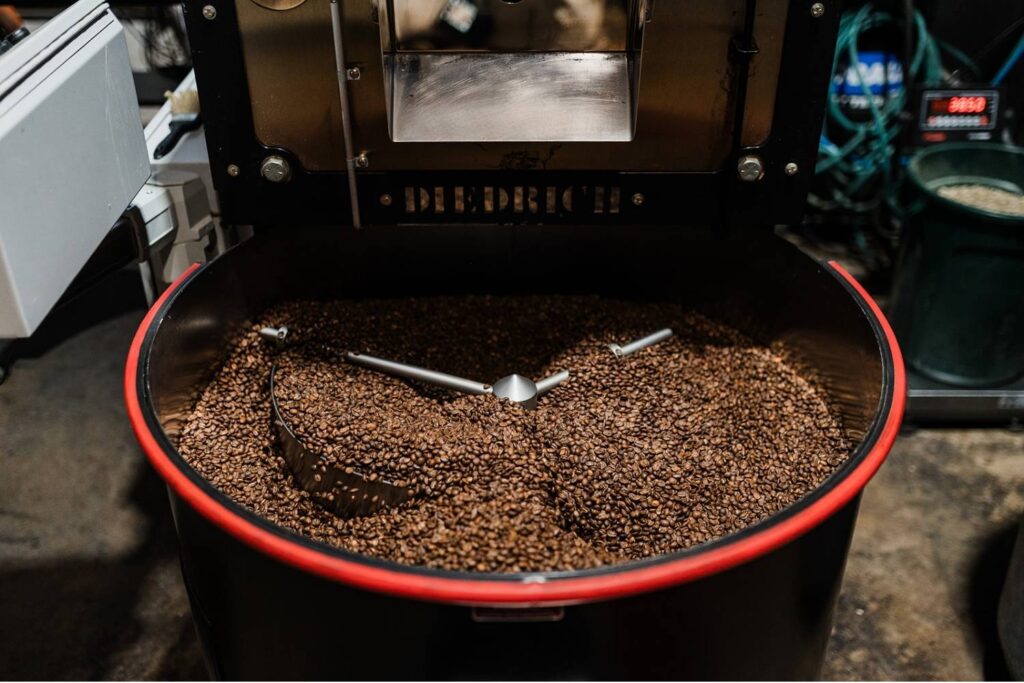
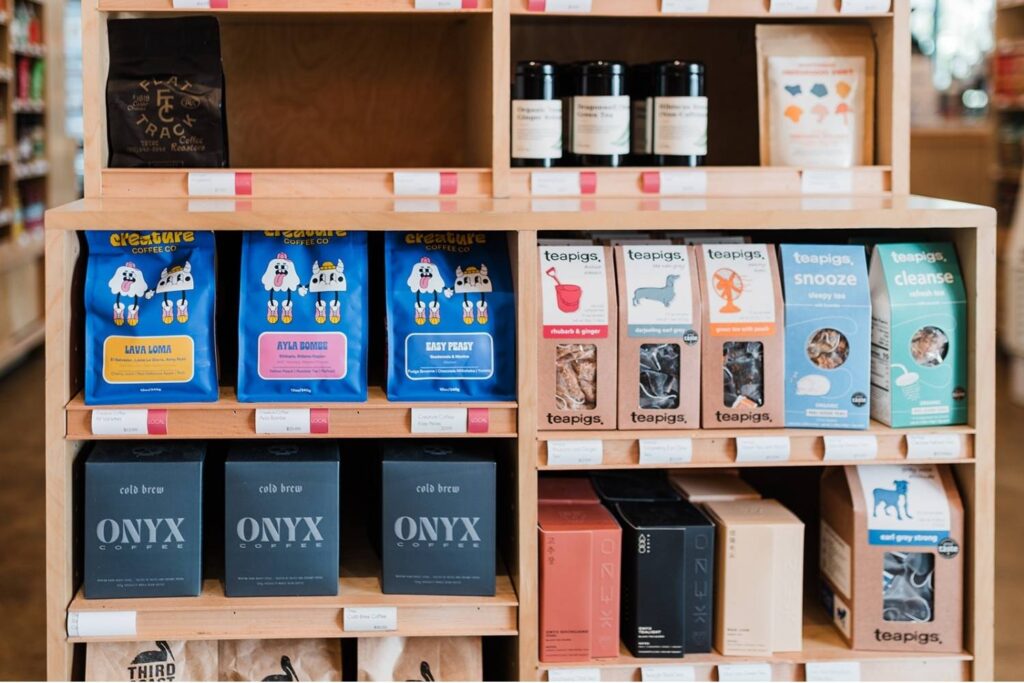
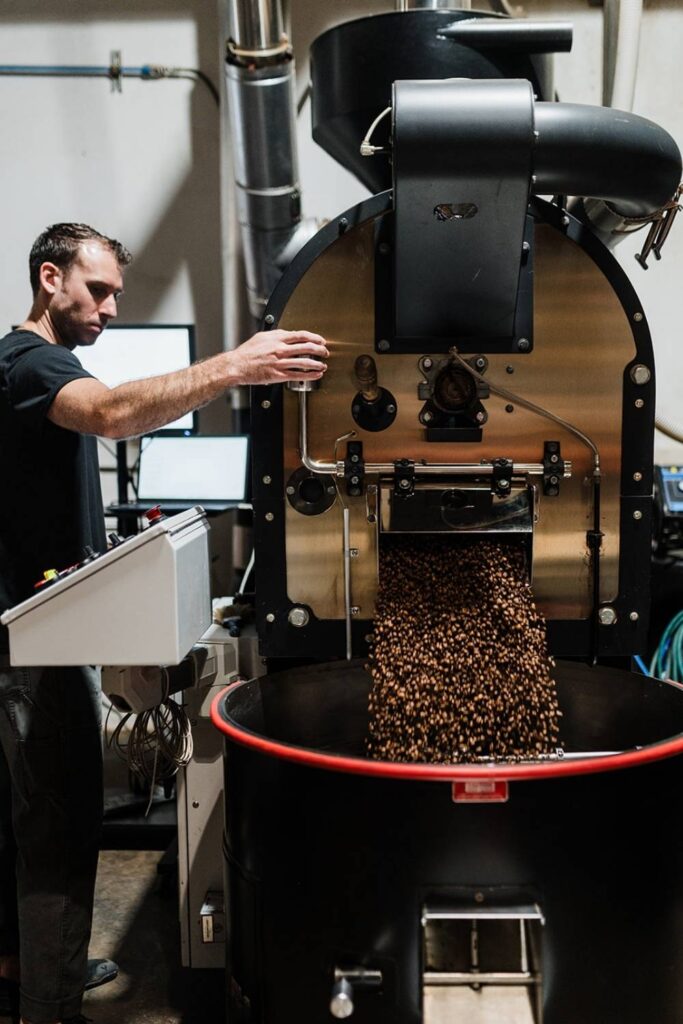
In addition to coffee cart services, Creature also roasts coffee. Its roasting team uses Cropster for roast profiling and Algrano for green coffee sourcing. All coffee bean sales, including both ecommerce and wholesale transactions, are captured, processed, and fulfilled through Shopify’s online platform.
Creature also makes appearances at farmer’s markets and events that require it to take payment in person. In these cases, the company uses Square POS to capture transactions, because Square’s redundancy features means Create can always take payments, even if there’s an internet outage. “The good thing about Square is, if that dies for any reason or there’s anything that goes wrong with it on the day of the event, we have a phone that we can use as backup as well,” Craig says. “So it’s super reliable.”
Beyond those core software platforms, the team also uses Zapier to build workflow automations between different software applications.
“The goal is to have the best user experience when customers interact with us at any point,” says Turner. “Then, on the back end, we have everything built out on Notion to be super clear of steps of service, so that every client is getting the same treatment.”
Beyond the client experience, Creature also uses software to support its staff. To run the hundreds of events it caters monthly, the brand has also developed systems to support the baristas working the carts. “We have anywhere from 50 to 60 baristas a week working across the Austin area,” says Craig.
To communicate details like drink standards and event expectations, the company uses FlashQuotes to produce task lists for each event. Baristas use Notion to find additional event information, such as images of cart setup specifications and troubleshooting guidelines.
Communicating can be challenging when working with so many staff members, and software helps Creature get information out widely to a large group of baristas. “Every time a barista goes out, they know every single task they’re meant to do from the minute that they arrive,” says Craig. “It’s like having that coffee shop binder but, you know, we don’t have that in every single cart. It’s all online now.”
With so many moving parts (or, in this case, carts), clear communication is vital. Instant messaging communication is primarily accomplished through Slack and Homebase, along with Gmail for email. Baristas also use Homebase to clock in and out of their respective shifts.
The Technology Breaking Point
Creature’s tech stack is highly developed now, but Craig knows firsthand that trying to figure out the right mix of software can be a process of trial and error.
“At the beginning of your business, you’re trying to work out all the systems and really understand everything,” he says. “So you’re happy to spend five times as long creating invoices or working out how to do things for cheaper.”
For him, answers about what tech Creature needed arose as the needs of the business, and the causes of bottlenecks and mistakes, became clearer. “As you get bigger, it’s more about quality and answering, ‘How can I do this quicker? How can I do this better? How can there be fewer human mistakes?’ That’s what a lot of tech does for us; it stops human mistakes,” he adds.
Craig recounts the early days in Creature’s story, when he would manually create catering invoices on Google Sheets. “When you first start out as a one-man band, you do anything that’s free. We used to do invoices on Google Sheets, and I created my own invoicing system within that software.”
Since then, Creature’s approach to technology has become much more refined. “It just evolves to the point of getting more clients and you can afford a better tech stack,” Craig says. “As you grow, your ability to see the bigger picture affects your purchasing power to create a better system.”
Turner notes that coffee businesses often leave money on the table by not opting for software that suits their needs, in favor of cheaper or free alternatives. “For example, we would be losing income by not being able to provide an instant quote like we do with FlashQuotes,” she says. “That’s the kind of quick, easy win that you can make right away with tech. Look for tech that is going to pay for itself automatically.”

Sponsored by SQUARE
The Coffee Tech Stack series is presented by Square. Square is a point of sale technology provider and longtime innovator that now offers a comprehensive suite of tools built specifically to help coffee shops and roasters operate smoothly and profitably.