Coffee faces a succession issue.
In many coffee-producing countries, farmers are getting older while their children are losing interest in farming due to the prospect of higher-paying jobs in cities, among other factors. Meanwhile, coffee farms are becoming smaller and less viable due to land fragmentation and subdivision among offspring, resulting in increased farming costs and reduced profitability. Lack of capital, labor shortages, crop diseases, inefficient farming practices, and the impacts of climate change have further worsened the situation.
In response, coffee producers are increasingly relying on technology—from soil sensors to satellite data—to alleviate risks, improve profitability, and keep farms viable. One such tech initiative is the ConSenso Project in Tanzania.
The ConSenso Project started with sensor testing in a greenhouse at La Marzocco’s Accademia del Caffè Espresso in Italy between September and December 2022. The sensors were then installed at the Utengule Coffee Estate in Tanzania, a country whose coffee production is often impacted by erratic climate conditions.
“The project centers on two main actions: the development of coffee-specific IoT [Internet of Things] sensors to support agronomic decision-making, and the real-time calculation and visualization of the plantation’s carbon storage,” says Hans Faessler, the company chairman at Utengule Coffee Estate.
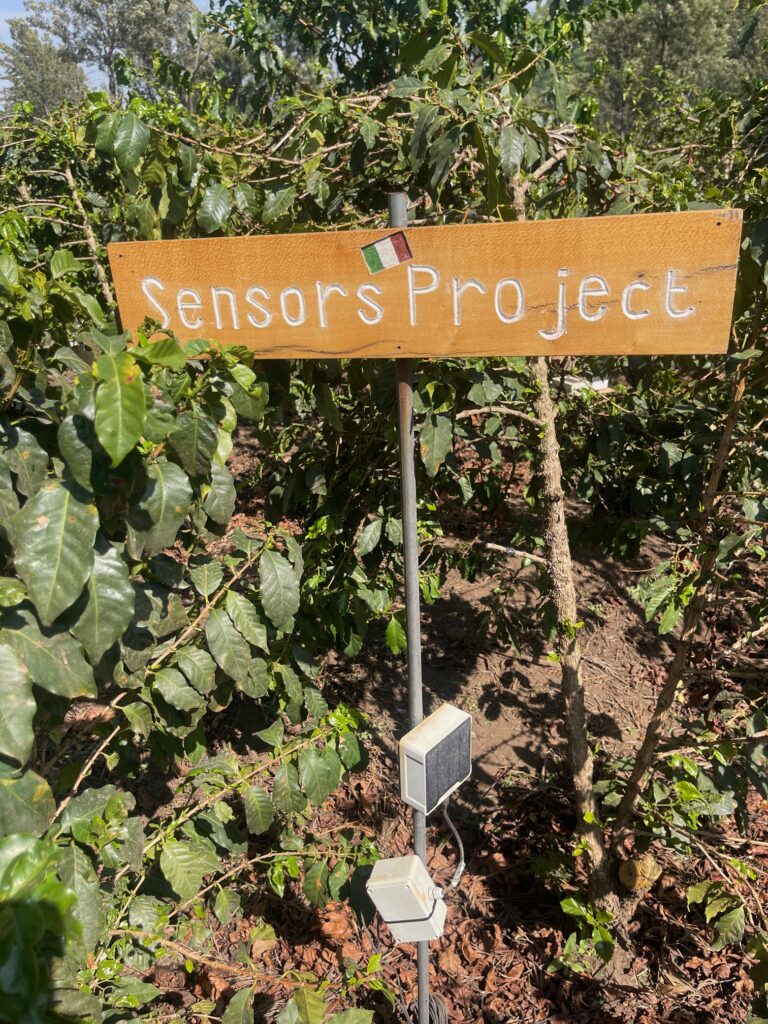


The sensors calculate the plantation’s carbon dioxide storage, humidity, atmospheric pressure, precipitation, wind direction and speed, and radiation intensity, as well as the plants’ stress levels, in order to give farmers real-time data on how their plants are responding to different weather conditions.
Understanding the Tech
In Tanzania, the majority of coffee is grown by smallholder farmers. Although the sector supports about 2.4 million people in the value chain, farmers frequently grapple with low yields due to poor extension services, old trees, limited inputs, and market volatility, among other pressures.

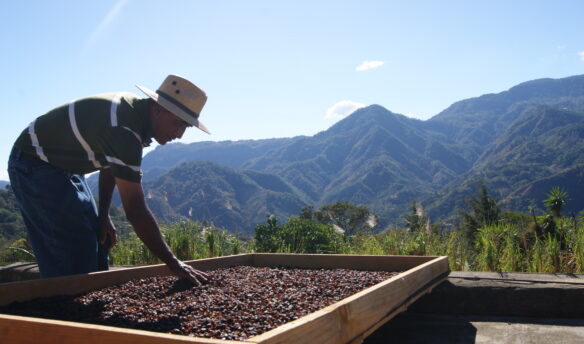
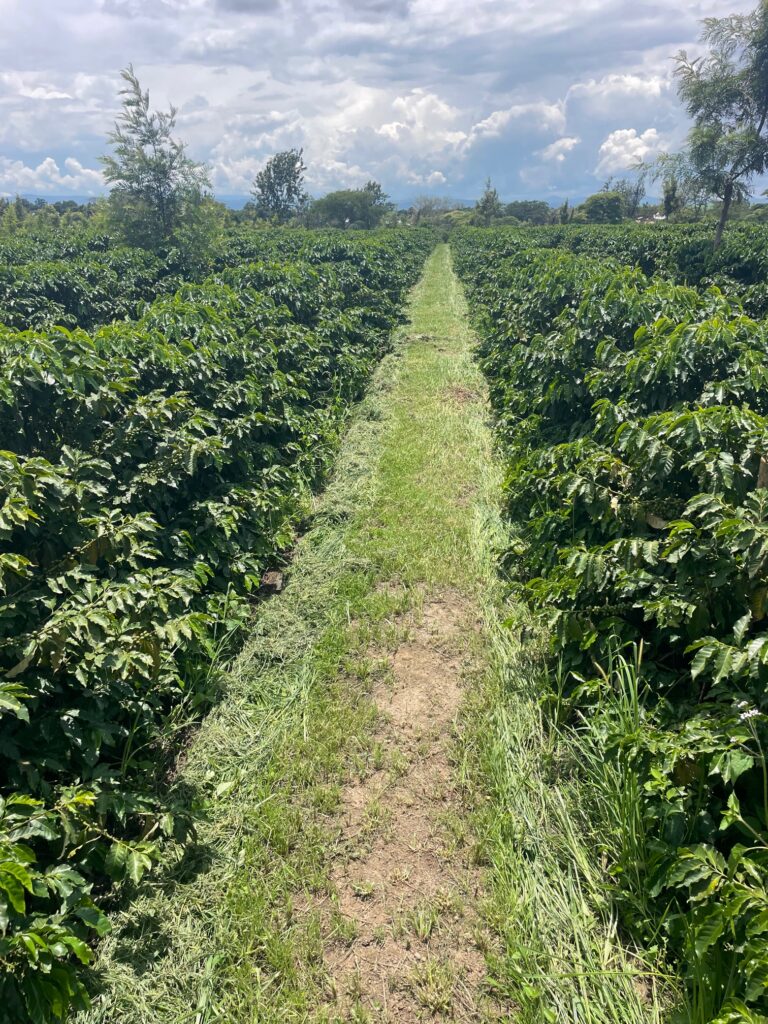
Utengule Coffee Estate is more than 100 years old, and currently produces about 250 tons of green coffee annually, says Faessler. The farm is located at the edge of the Great Rift Valley, roughly 4,590 feet above sea level. It is known for conducting coffee research and exploring innovations in cultivation and processing, including everything from shade management and wastewater recycling to composting using coffee by-products.
As part of the ConSenso Project, five types of sensors were installed across the coffee plantation, specifically designed to monitor key environmental and plant parameters:
- Sensors placed around trees measure air temperature and humidity, and the electrical potential and resistivity of plant stems
- A series of multisensor capacitance probes is used to monitor soil temperature, moisture, and salinity at different depths
- A weather station captures data on air temperature and humidity, wind speed and direction, rainfall intensity, solar radiation, and particulate matter levels
- Dendrometers measure changes in stem diameter, providing insight into plant growth
- Soil moisture probes get precise readings of soil humidity and temperature
This system allows farmers to monitor environmental conditions on their farms, automate important processes like irrigation schedules, and make informed farming decisions based on real-time data. For example, irrigating only when necessary is an important step toward water conservation in a country that is increasingly suffering from erratic rains.

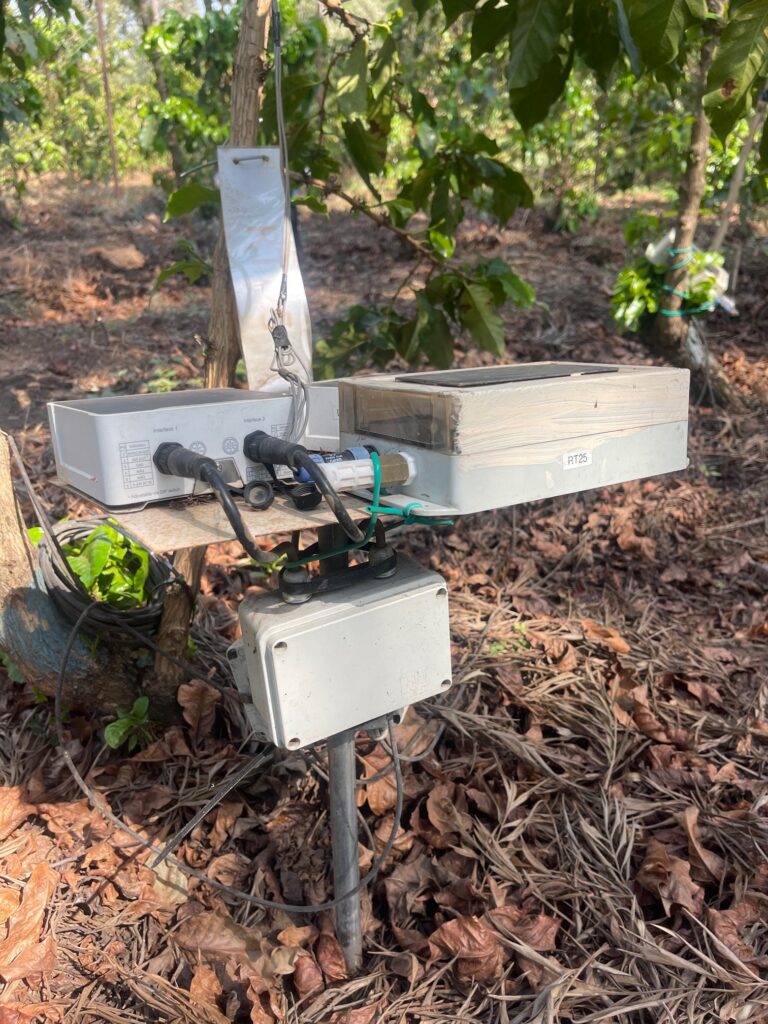
Additionally, farmers can make correct and data-driven decisions by leveraging the provided environmental information instead of relying on assumptions. Using AI analysis, farmers get important insights that help them better apply fertilizer and pest control, leading to improved agronomy.
There are other immediate insights farmers can benefit from, such as the use of shade trees on coffee farms, which the project has shown helps the coffee plants retain water and grow more prolifically. With proper insights, farmers can also plan ahead to increase profitability. They no longer have to blindly react to problems, but can proactively manage their farms based on what they actually know the plants need.
“Coffee consumption in Tanzania 30 years back was minimal, but has taken off strongly over the past few years. The dynamic development of the economy and urbanization has led to considerable domestic consumption, which is bound to grow [even more],” Faessler explains.
Partner Contributions and Impact
The ConSenso Project is the work of four partners. La Marzocco’s Accademia del Caffè Espresso provides technical and agronomic support, while PNAT (Project Nature), a research organization, developed the sensing technology and sensors, and interprets the collected data. Cisco Systems, a digital communications conglomerate, provides the network infrastructure for real-time data transmission, while Utengule hosts the field tests and applies the solutions to real farming conditions.
The project has so far allowed researchers to calculate the coffee plantation’s carbon dioxide storage and track plant stress in both shaded and unshaded areas. These results are already helping the farm see how different agronomic choices impact plant health.
After sensor testing in Italy in 2022 and installation at Utengule in 2023, the project is ongoing and has been featured in scientific publications that validate its approach and findings. The team is now developing an alert system to translate sensor data into practical recommendations for farmers. For example, by analysing parameters such as temperature and humidity, the system can recommend ways to adapt to current microclimates, like adjusting weeding times during high temperatures to minimize heat stress.

“Thanks to the data collected directly from the plants and the environment, we aim at defining new agronomic practices for a more efficient and sustainable management of the coffee farm,” says Faessler.
According to Faessler, the project is flexible and replicable by design. In the short term, it can be directly applied to other coffee farms in East Africa, where climatic conditions and production systems are similar to those at Utengule. The same technological framework can also be used in other coffee-growing regions around the world, but the data sets and agronomic models would need to be adapted and recalibrated to local conditions.
“These practices are not intended to be site-specific: The solutions and methodologies developed within ConSenso can be transferred and applied to other coffee farms in Tanzania and in other coffee-producing countries, supporting the broader development of the coffee industry,” Faessler says.
Broadening the Horizon
While the project has yielded a lot of positive results and vital information, Faessler says it hasn’t been without difficulties.
“One of the main challenges has been working in an area where internet connectivity is still developing,” he says. “To ensure reliable data transmission, we chose SIM-based connectivity [cellular networks] over traditional fixed networks [such as DSL, fiber, or cable]. Power supply can also be unstable, so the farm relies on solar panels to provide consistent energy for the sensors and gateways.”
Additionally, climate change is increasing the intensity of heavy rains, which can potentially damage the devices in the field. For this reason, the technicians are refining installation methods, improving hardware protection, and planning regular maintenance with the Utengule team, so that the system can operate safely and continuously over time.
Projects that promise to increase coffee yields, such as ConSenso, are important in meeting increased demand in coffee-producing countries. Coffee consumption in Tanzania is set to grow in the years ahead, and consumers are expected to seek more innovative coffee products. This is one of the reasons why the ConSenso Project is appealing.
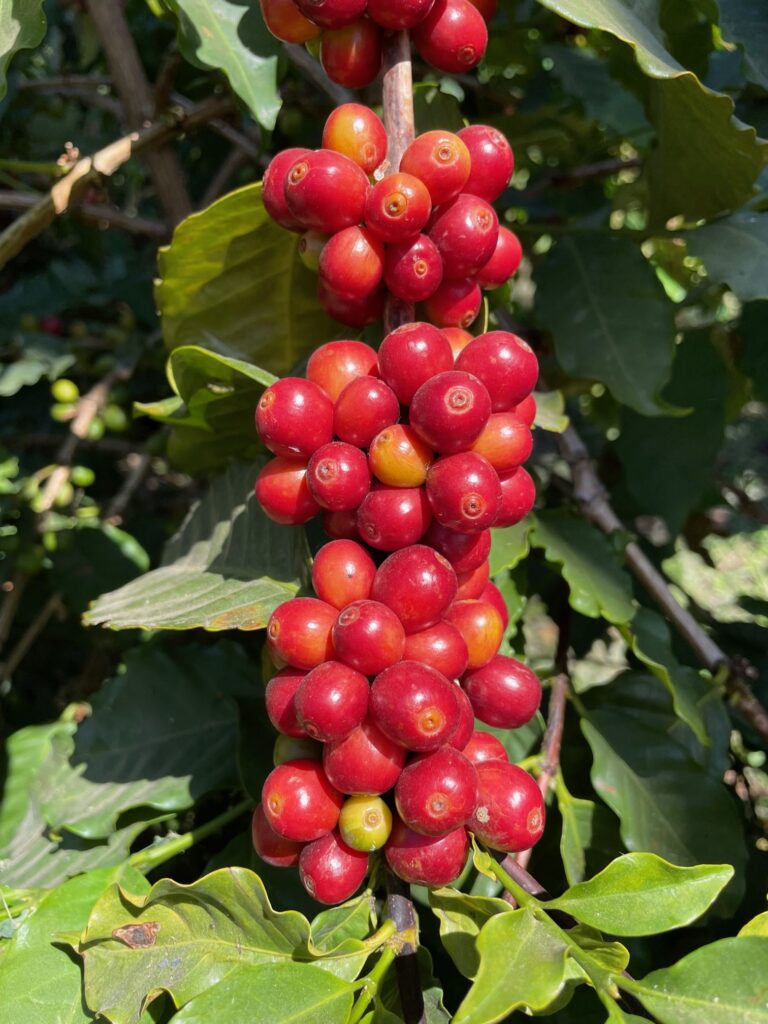
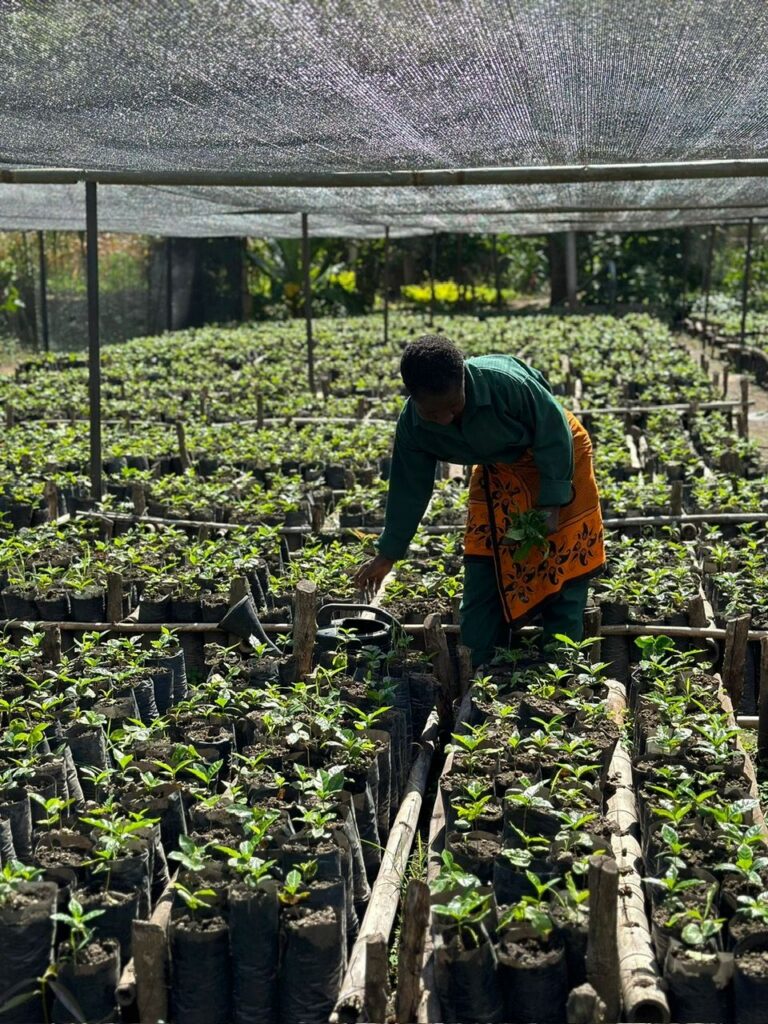
“The market must receive top-end retail products, equal to fine roast coffee products found anywhere in the world, not just the more ordinary-quality blends and soluble coffee,” Faessler says.
With the ConSenso Project, some of the problems that coffee farmers face due to climate change could be a thing of the past. Erratic rainfall, rising temperatures, and prolonged droughts that threaten the fragile balance required for high-yield coffee farming can be better addressed. Traditional agricultural practices and knowledge that relied on farm experience (and guesswork) can now be replaced by a system that uses science to optimize water use on farms and improve sustainability. The project provides a framework and tools that monitor plant parameters in coffee farms, measuring important attributes to determine the correct interventions.
The use of IoT sensors that can stream real-time data is promising for the future of coffee production and agronomy. Instead of using reactive and traditional methods that rely on signs of plant stress to ascertain deficiencies, farmers can now be proactive and anticipate plant needs before any problems crop up.