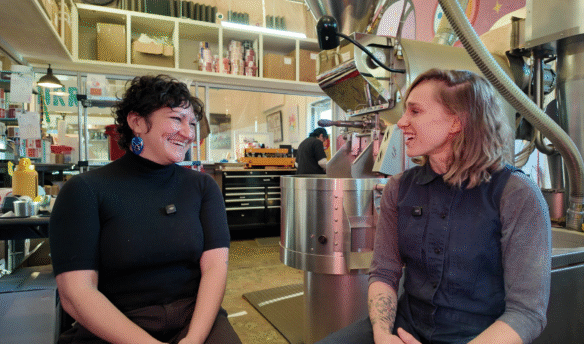
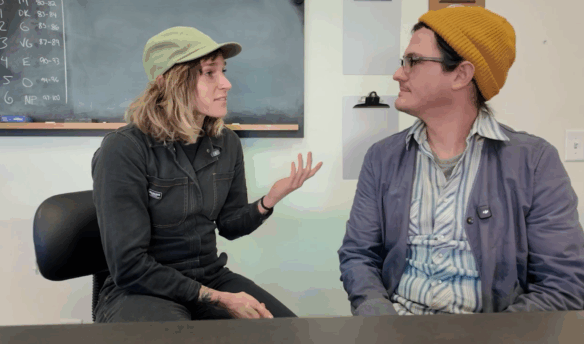
When Matt Chitharanjan and his wife Namrata Asthana began sourcing beans for their fledgling roastery in 2012, India’s coffee estates had a blunt message for them. “They told us Indian consumers would never pay for good-quality coffee. You’d have to cut it with robusta or chicory to gain acceptance,” recalls Chitharanjan, the co-founder of Blue Tokai Coffee Roasters. A decade later, the same growers are experimenting with everything from processing methods to fermentation techniques.
“At the estate level, we’re constantly trying to push flavor boundaries,” says Rohan Kuriyan, a second-generation grower at Balanoor Plantations, one of Blue Tokai’s longtime partners. “For our more experimental coffees, we’ve started adding yeast to coffee, drying it under certain leaves, playing with longer fermentation, hiding it in the shade, and playing hide and seek with the sun. These give you a very complex, fun cup.”
This focus on novel processing methods reflects how much India’s specialty market has evolved. What began as a handful of cafes persuading estates to part with their highest-quality beans—historically reserved for exports—has grown into a network of roasters and growers chasing ever-new flavor notes.
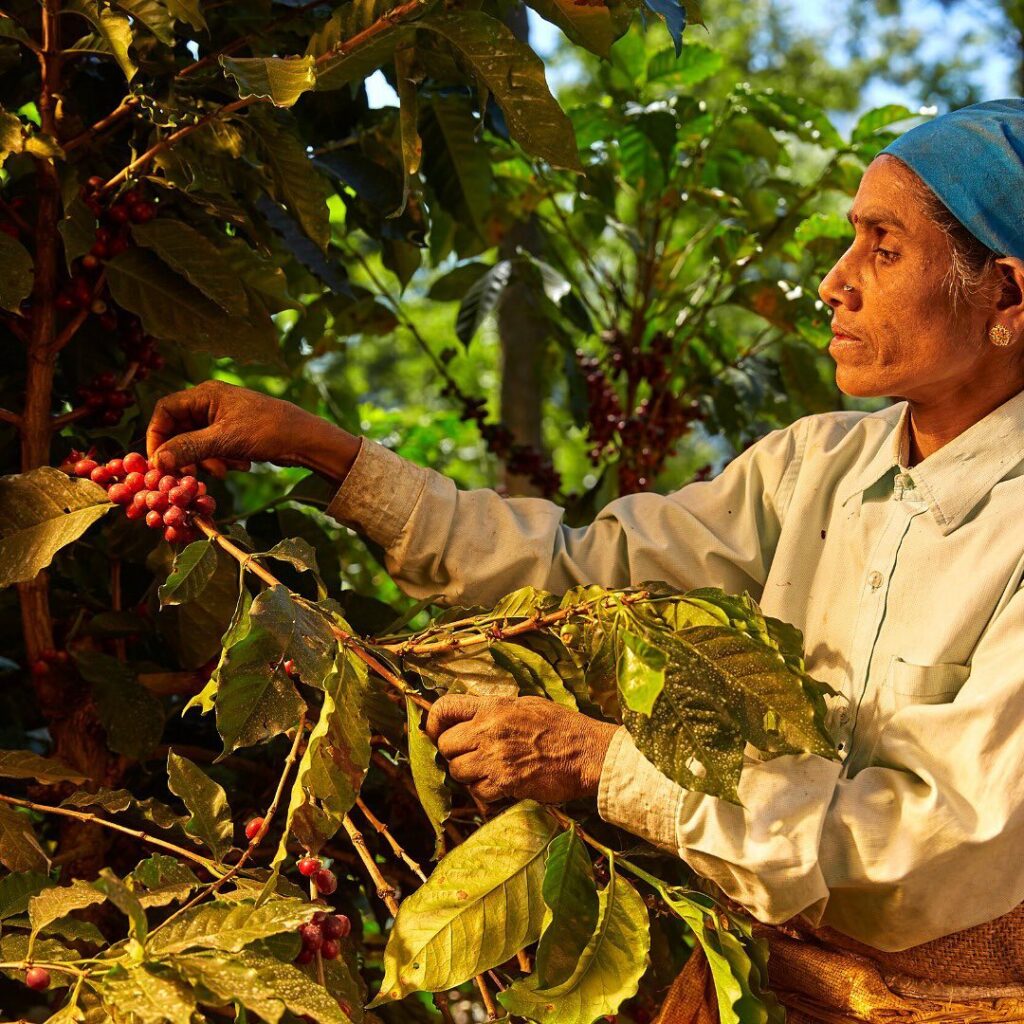
“Till about four or five years ago, most coffee shops wanted clean, washed arabicas and robustas,” Kuriyan says. “Then the clientele in India started demanding something new. They wanted coffees that tasted like apples or jackfruit or bananas in the cup. That’s when our roaster partners began asking, ‘Have you tried this experiment? What do you think of longer fermentation or slower drying?’”
But something more significant is happening beneath this experimentation. India’s specialty coffee industry is entering a second phase. Instead of simply adopting global specialty coffee practices, it is now adapting them in ways that reflect the country’s unique position as both a major coffee producer and an emerging consumer market.
From coferments using foraged local ingredients to neighborhood cafe models tailored to Indian cities, the country’s coffee entrepreneurs are now finding their own expressions of specialty coffee culture.

Collaboration at the Source
The shift from commodity to experimentation in Indian coffee has fundamentally changed the relationship between growers and roasters, replacing transactional exchanges with long-term partnerships based on shared risk. “There’s very good dialogue between us as growers and our roaster partners, who often suggest what we could try next,” Kuriyan says. “It’s easy for a roaster to say, ‘Experiment with this, if it works, we’ll buy it; if it doesn’t, you’re stuck with bad coffee.’ But we’ve been fortunate that every roaster who’s asked us to experiment, whether it succeeds or fails, has said, ‘We’ll take the entire lot.’”
Microlots—small, traceable batches from specific farms or plots—now anchor much of this collaboration, with many featuring innovative processing methods that fetch premium prices. Blue Tokai launched a limited-edition Producer Series in 2020, which saw enough demand for the roaster to now release experimental “nanolots” with a rotating cast of estates each year.
“Microlots are definitely a big trend,” says Arshiya Bose, founder of specialty roaster Black Baza Coffee. “We’re seeing a lot of cofermentation with tropical fruit and other ingredients, and inoculation using microbial strains, either yeast or lactobacillus. There are debates in the industry about how far to take it, but there’s no question that roasters and consumers want these experimental fruity, winey flavors.”
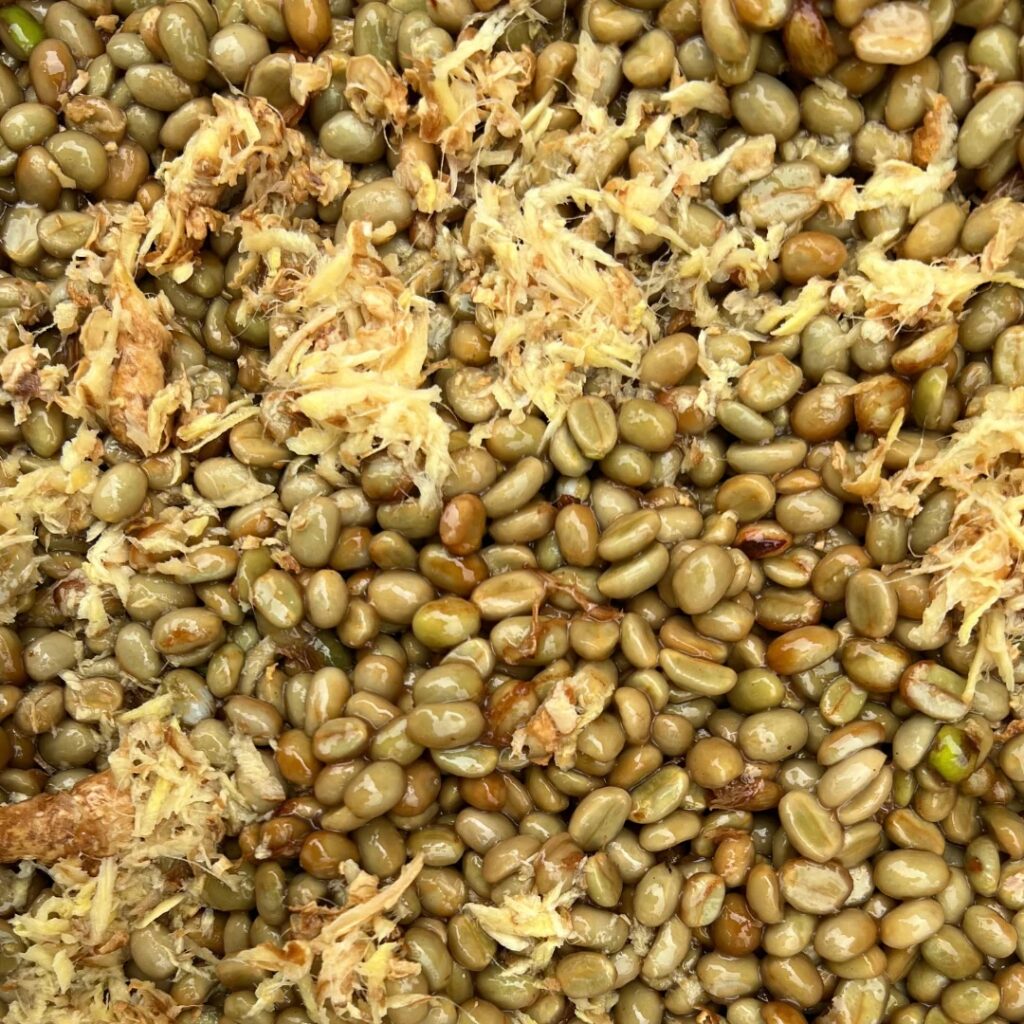
Working with smallholder growers, Black Baza produced more than a dozen microlots in 2025, using ferments such as kombucha cultures and wild ginger foraged from the same areas where smallholders live and farm. “Rather than cofermenting with tropical fruit, which is often expensive and does not grow in coffee landscapes, we were more curious about how local ingredients could transform the cup,” says Bose.
The gamble paid off, with each of its microlots selling out within days. “Even though these coffees are priced higher than our regular ones, every lot found buyers,” she adds. “That tells you how ready the market is.”
Beyond the Metro Cafe Models
Such farm-level innovations are also mirrored in the products consumers are demanding. Cold brew has become a highlight of India’s specialty movement, for instance, as younger consumers in particular seek coffees that are not only artisanal but also quick, accessible, and takeaway-friendly. Sleepy Owl Coffee was among the first to popularize ready-to-drink cold brew, paving the way for specialty brands such as Tulum Coffee and Woke Cold Brew.
Chitharanjan of Blue Tokai says the next phase of growth will likely come from new formats, even as cafes remain central to the specialty coffee ecosystem. “Consumers are looking for products that marry convenience with quality, so we see ready-to-drink and ready-to-brew as categories that have significant potential,” he says. Blue Tokai is leaning into this trend with flavored cold brews, such as mocha, elderflower, and orange mint, and beans specifically roasted for cold brew extraction.
The geography of India’s coffee culture, too, is expanding fast, as Tier-2 cities like Nagpur, Lucknow, and Chandigarh are increasingly driving consumption. India classifies its cities by population and infrastructure into Tier-1 (major metropolitan cities), Tier-2 (mid-sized cities), and Tier-3 (smaller towns), and it’s these secondary markets where specialty coffee is finding new ground.

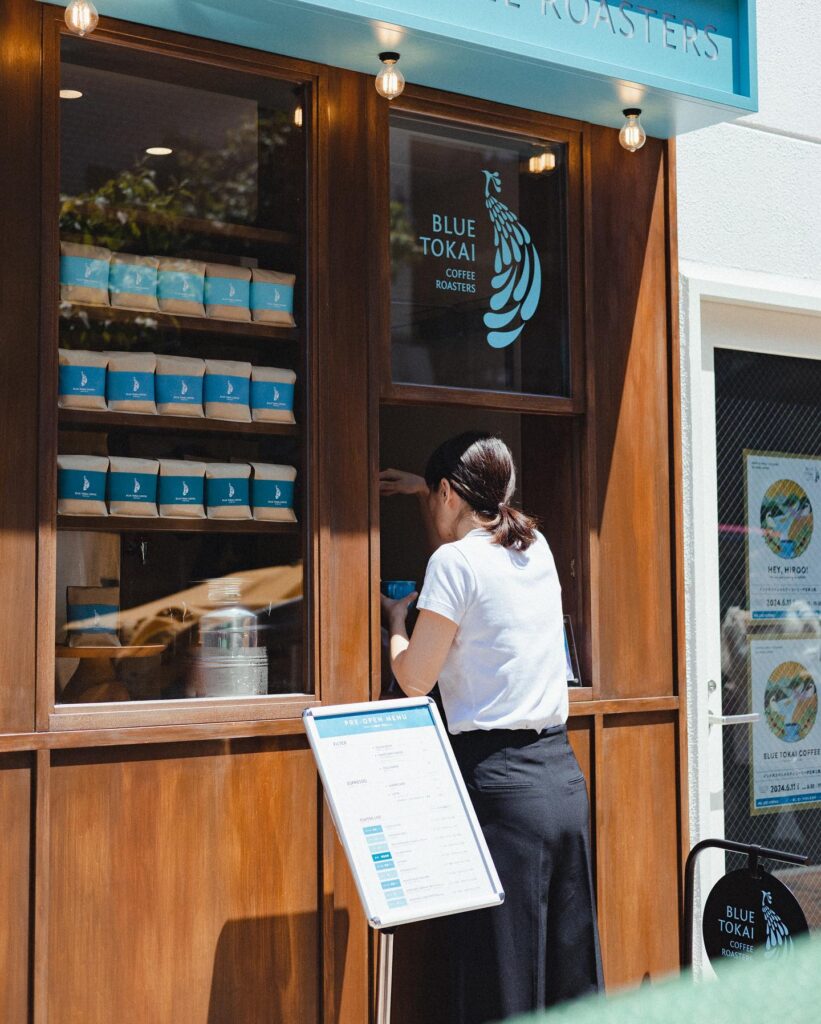
While Blue Tokai’s 150-plus outlets are largely concentrated in Tier-1 metros, Chitharanjan sees untapped demand in smaller cities across the country. “Starbucks has 450 outlets across 79 cities,” he notes. “That tells you the depth of the market and the demand for coffee across India.”
Nishant Sinha, founder of Roastery Coffee House, is among those who picked up on this trend early on. Starting in Hyderabad in 2017, his business later expanded to Kolkata, Noida, Lucknow, and Jaipur—locations in the latter two cities opened on the same day in 2022. “The opportunity in Tier-2 and Tier-3 cities is really high,” Sinha says. “People are no longer migrating from their hometowns in search of better opportunities in as large numbers as before. With remote work and digital access, they’re staying where they belong, and there’s enough crowd and aspiration everywhere.”
For Roastery Coffee House, Tier-2 and Tier-3 cities bring both advantages and limits. “There is less competition and rents are lower, which helps because our cafes are large, around 4,000–5,000 square feet,” Sinha says. “But you can’t scale endlessly. If you’re a Starbucks or a Third Wave Coffee, you can’t open 50 outlets in Lucknow or Jaipur. That model only works in metros. We’re not in that game.”
Instead, Roastery has built its identity around a hospitality-driven model. Its cafes, tucked away in residential neighborhoods, prioritize experience over convenience. “We’re not in malls, airports, or the main street,” Sinha says. “We’re very particular about the properties we choose and the communities we want to serve. We want to call ourselves a neighborhood cafe. People come to sit, relax, work, and enjoy the food and the space.”
Taking Indian Coffee to the World
As India’s specialty coffee scene matures domestically, its entrepreneurs are also beginning to look outward.
Araku Coffee, which began by exporting single-origin beans grown by indigenous farmers in the Araku Valley to countries such as Japan, South Korea, and France, already has an established international footprint. Its first flagship cafe opened in Paris in 2017, followed by two more outlets in the city. Blue Tokai launched a roastery and kiosk in Tokyo in 2024, and is planning a flagship outlet in the UAE.
In the same year, Roastery Coffee House opened its first international outlet in Helsinki, Finland. Though the physical venture has been temporarily paused due to banking and regulatory hurdles, Roastery continues to sell online to customers across Finland, with steady demand for Indian beans such as Monsoon Malabar.

“Despite the fact that India is the seventh-largest coffee producer in the world, there is little cognisance of Indian coffee globally,” says Rahul Reddy, founder of Subko Specialty Coffee Roasters.
Chitharanjan agrees. “It’s rare that you walk into a coffee shop in other parts of the world and see an Indian coffee on the menu. But the quality of coffee grown by our partners and that we’re roasting can easily sit on the menu of any cafe anywhere.”
This outward expansion signals growing confidence in the quality of Indian specialty coffee and hints at the country’s potential to claim a larger presence in global coffee culture.
Challenges on the Horizon
Even as Indian specialty coffee reaches outward, however, significant barriers threaten its trajectory. For businesses, the challenge lies in scaling responsibly without compromising quality or service. “Because India hasn’t had a deep coffee culture historically, training people to make coffee, explain differences to customers, and deliver good service is still a challenge,” says Chitharanjan.
Sinha agrees. “While there’s a huge boom of coffee in India, there are no professional courses for baristas,” he says. That means in-house training programs remain central to the sector’s growth. “Whether it’s a Tier-1 or Tier-2 city, it’s the same story. In Tier-1, you might find more people with prior experience at chains like Cafe Coffee Day or Starbucks, but that’s not necessarily the kind of coffee we do.”
Growers, meanwhile, are facing existential threat, as rising production costs and erratic weather patterns eat into margins. “Costs are shooting through the roof and yields are dropping, so it’s getting harder to manage estates on a smaller scale,” says grower Rohan Kuriyan. “We used to harvest 500kg per acre of clean coffee; now it’s down to about 250–300 for robusta and 175–200 for arabica.”
The last few years have brought extreme rainfall, followed by drought and record heat. “Coffee requires a little stress to fruit well,” Kuriyan explains. “But now we’re getting rain straight through harvest, then no rain at all for months. In 2023, we recorded 38–39° Celsius [100–102° Fahrenheit] on the hills. That’s unheard of.”
The Next Chapter: Scaling Sustainably
Even as they grapple with these challenges, India’s specialty coffee entrepreneurs remain optimistic. Both Blue Tokai’s Chitharanjan and Subko’s Reddy believe that the next leg of growth will be driven by standalone neighborhood cafes: experience-focused spaces supported by a network of high-quality roasters.
Roastery’s success offers a glimpse of that model’s potential. By anchoring cafes in residential areas and building loyal clientele, it has grown to 15 outlets across India while maintaining its distinctive “sit-and-stay” atmosphere.
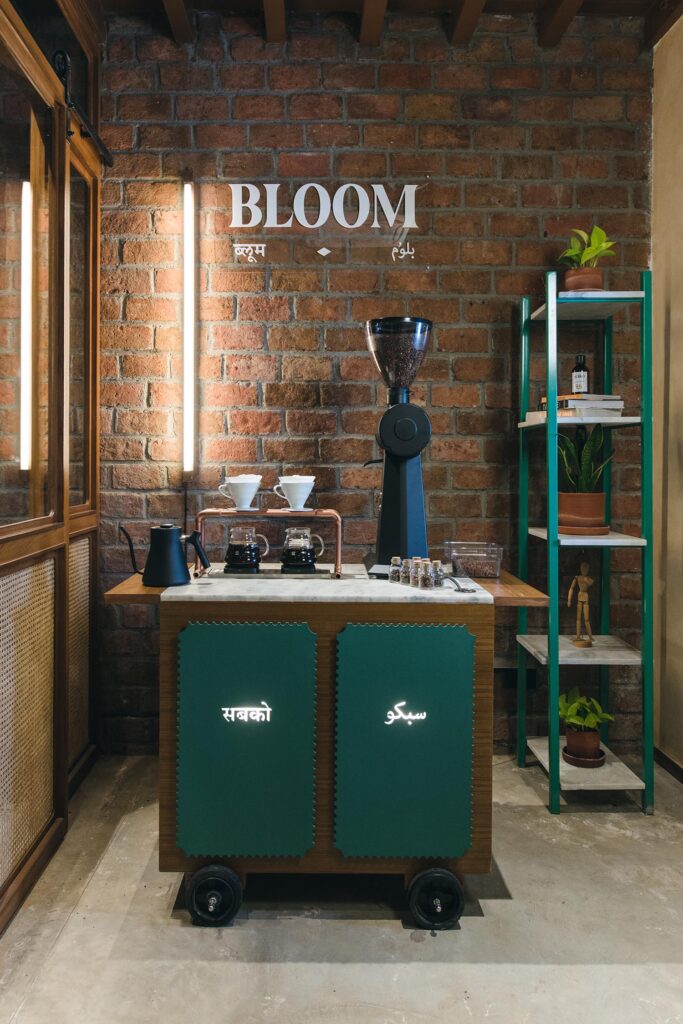
“To get to scale now is more challenging than it was when we started,” Chitharanjan says, noting that large-format expansion will slow while smaller cafes multiply. Reddy adds that India will likely see more specialized roasters that supply to independent cafes while running their own outlets. “Being a roaster is very capital-intensive,” he explains. “It takes a lot of quality control and strong supply chain linkages.”
Despite the challenges ahead, India’s coffee industry is fast maturing. In the process, it’s managed to successfully adapt the global language of specialty coffee to Indian contexts and constraints. Whether through experimental microlots, neighborhood cafe models designed for Indian cities, or new international ventures, the country’s specialty coffee movement is writing its own playbook, shaped as much by local conditions and creativity as global trends.
Cover photo courtesy of Blue Tokai