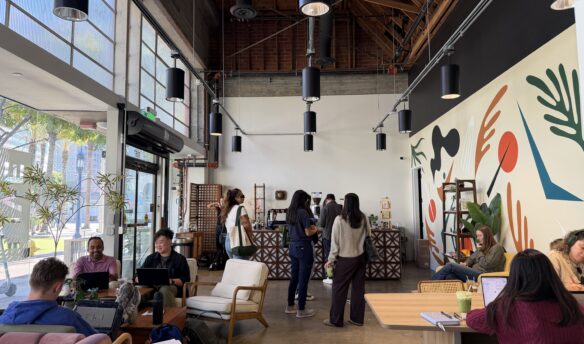
At Great North Coffee in Portland, Oregon, customers are just as likely to order a cup of brewed coffee as they are espresso drinks like cappuccinos and lattes. The menu lists the former as “drip,” and a batch brewer sits in clear view behind the bar.
That might sound straightforward enough—but in specialty coffee shops, ordering a basic cup of coffee can be surprisingly complex. At some spots, like Great North, “a drip coffee” refers to a batch-brewed coffee that’s already made and ready to serve. At others, it can mean a pour-over that’s made to order. And for some shops, “drip coffee” might even translate to an Americano.
Ultimately, how coffee shops decide to serve drip is determined by various factors. Do they want to showcase the variety of coffees they roast, or do they want to slow things down and celebrate the craft of brewing? Do they have the space and capacity for made-to-order drinks and large brewers, or are they limited to their espresso machine?

No one approach is right, but the way a shop serves drip can affect everything from pricing and barista workflows to the overall vibe and aesthetic of the space. Below, learn how three different shops serve drip coffee—and the factors that shaped their service styles.
A Foundation Built on Drip
At Great North Coffee, which roasts coffee and operates four cafes across Portland, drip coffee remains one of the most popular morning drinks. Co-founder Matt Brown says lattes still lead the company’s sales, but drip follows right behind, a pattern that has held steady since the shop opened. The coffee is brewed in batches on a Fetco machine.
According to Jonathan Felix-Lund, also a Great North co-founder, brewed coffee is central to how the team thinks about consistency and quality at the bar. “We view drip as very foundational,” he says. “If we’re offering drip in cafes, we’re hopefully offering a cup of coffee that is a little harder to replicate at home, even though you can. But you need to have fresh coffee, you need to have a great grinder, you need to have a great brewer, and you need to dial it in to taste.”
Location and pace shape Great North’s service style. Its shops are located in several popular Portland neighborhoods, and many customers stop in on their way to work, so batch brewing is a convenient option. But their approach isn’t just about pragmatism. Great North’s team treats drip coffee as the clearest place where craft shows up, and regularly rotates which coffees are brewed across all four cafes.

“There is a [customer] group that always wants to try the newest thing, and we want to have options for that,” Felix-Lund says. “But more than anything, we come from this idea of being a company focused on craft, and our craft is coffee. So we spend a lot of energy making sure our coffee tastes great.”
Brown says drip customers are consistent regulars and are often the same people who buy whole beans to take home. “Drip coffee drinkers tend to [only] be drip coffee drinkers, and they love it,” he says. “They will try the coffee, get a cup, and then buy a bag of whole beans.”
In a high-volume cafe, drinks that take several minutes to prepare have to fit within a fast-moving service environment. Because of the volume moving through the bar, Great North doesn’t offer pour-overs. “We would have to totally redesign our bars to make that work,” Felix-Lund explains.
Pricing plays a role in its approach, too. Brewed coffee remains the cheapest drink on the menu, even after Great North raised prices recently in response to rising coffee costs. Even so, Felix-Lund says the shop puts a lot of effort into drip coffee because the coffee itself is the point. “We love to exist for the people who think that daily luxury is really special,” he says. “The lattes, the things that showcase the expertise and training of the staff. But it really is all about the coffee.”
When Pour-Over Becomes the Conversation
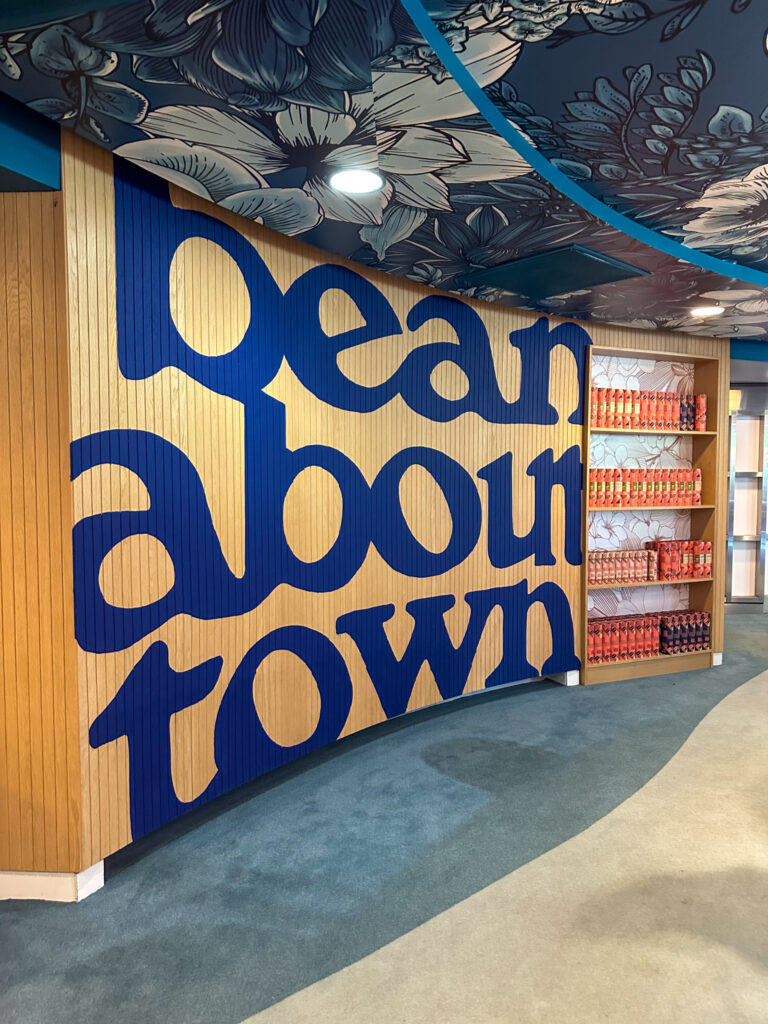
Bean About Town is a Honolulu roastery with two cafes. For owner Olivier Vetter, the moment a customer orders a black coffee is an opportunity to showcase the shop’s diverse coffee offerings. Bean About Town even offers a pour-over flight, giving customers the chance to taste multiple coffees side by side.
“I think if you want an experience, you should have a pour-over,” Vetter says. “Even if you usually order a latte or an espresso, you should try a pour-over because we work hard to keep it interesting. Instead of buying a bag for 20 or 30 dollars, you spend six dollars, and you can really experience something.”
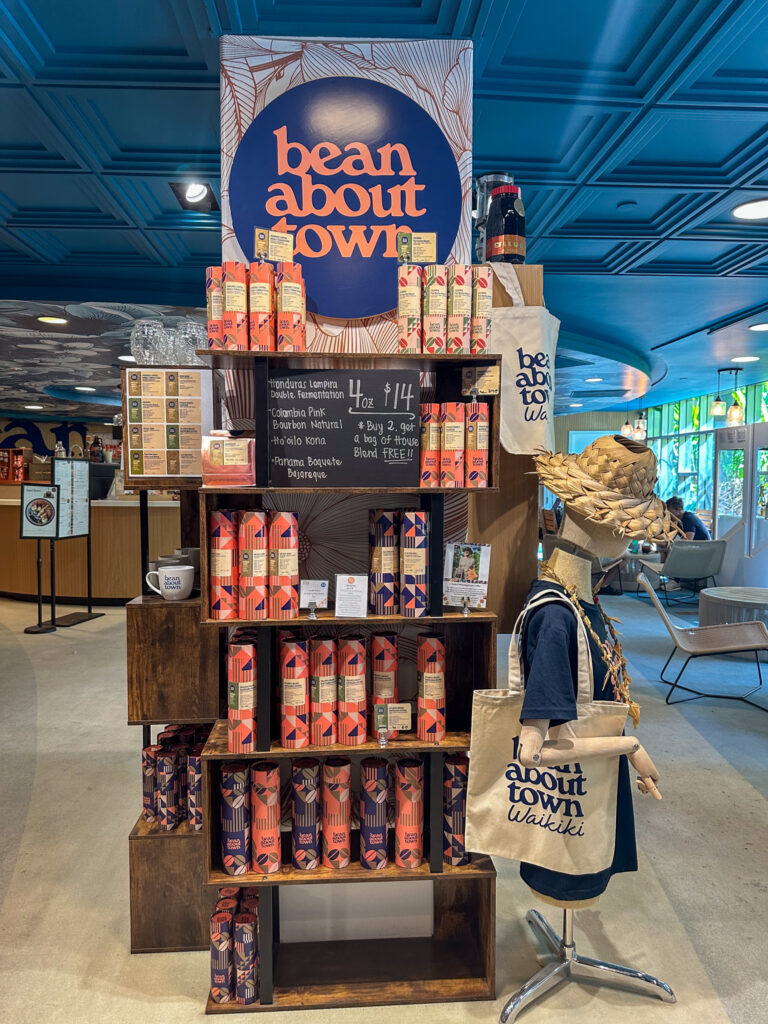
Vetter wants his team to be familiar with the coffees they serve. “I have them try all of the different coffees,” he says. “When you taste the coffee, you understand it. If you like a [particular] coffee, you can tell the customer you like it. It is natural.”
The two Bean About Town locations draw different types of visitors, which shapes how those conversations unfold. At the neighborhood Kaimukī shop, baristas prepare hand-brewed pour-overs using Kalita brewers, and regulars often linger to talk through flavor notes and compare coffees.
At the Waikīkī location, however, which draws a more tourist-heavy crowd, guests usually want something familiar and quick. To meet those needs, Vetter installed a Tone Touch 3 automated pour-over system to allow the cafe to offer consistent pour-overs at a faster pace.
Building the Experience Around the Cup
Endorffeine in Los Angeles is a destination coffee bar, built around the idea that a simple, brewed-to-order drink can carry the entire experience.
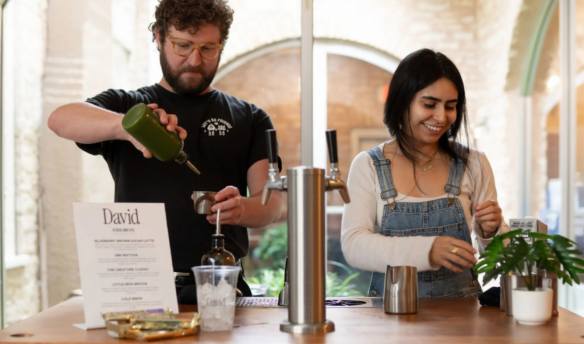
Owner Jack Benchakul designed the space so guests can see every part of the process. The Modbar setup places the espresso and pour-over equipment directly in front of customers, so a request for a black coffee leads to the drink being prepared in full view. “If guests can observe that I brew with sincere intention and care, they would have complete trust in my abilities as a host,” he says.

Since the day the shop opened, straight espresso has been its most-ordered hot beverage, followed immediately by pour-overs. Endorffeine does not offer batch brew, and instead centers its menu on espresso and pour-over service. Benchakul says the popularity of those drinks surprised him at first, but the space encourages that level of attention.
The bar sits in the center of a plaza, tucked away from distractions. Unlike neighboring businesses, Endorffeine leaves the sign space above its front doors blank rather than displaying its name. “Our marquee remains blank, laptops are prohibited, electrical outlets are nonexistent, and food is absent from our menu,” Benchakul says. “It’s a safe space designed to allow momentary escape from the world, so that you can be mindful with your cup of coffee.”
The limited menu sets the pace for how guests move through the experience. Benchakul describes it as a progression: a pared-back menu, a conversation, observation, and finally tasting. For him, a black coffee is not a commodity. “My forever wish is that our guests discover a more beautiful, complex side to the simple-appearing beverage that is coffee.”
Because Endorffeine is designed around a focused experience rather than speed, it isn’t built with high-volume workflows or quick turnarounds in mind. That gives the cafe room to prioritize a made-to-order pour-over experience. By contrast, coffee businesses like Great North and Bean About Town operate by different constraints and have tailored their drip coffee service accordingly.
Ultimately, from batch brews to Americanos and both automated and hand-crafted pour-overs, there are many ways to make and serve a cup of coffee. With so much choice available, the path that each cafe chooses reflects its ethos, hospitality style, and the needs of its customer base.