Many aspiring business owners know the feeling: They tell someone about their plans to start a business and inevitably get skepticism back. Perhaps that isn’t surprising: After all, in the U.S., 50% of businesses fail within their first five years.
Unfortunately, coffee businesses are no exception. Current conditions—including record-high C-market prices, climate challenges, and competition—aren’tt necessarily ideal for launching a new company. But that doesn’t mean every new coffee shop is destined to fail.
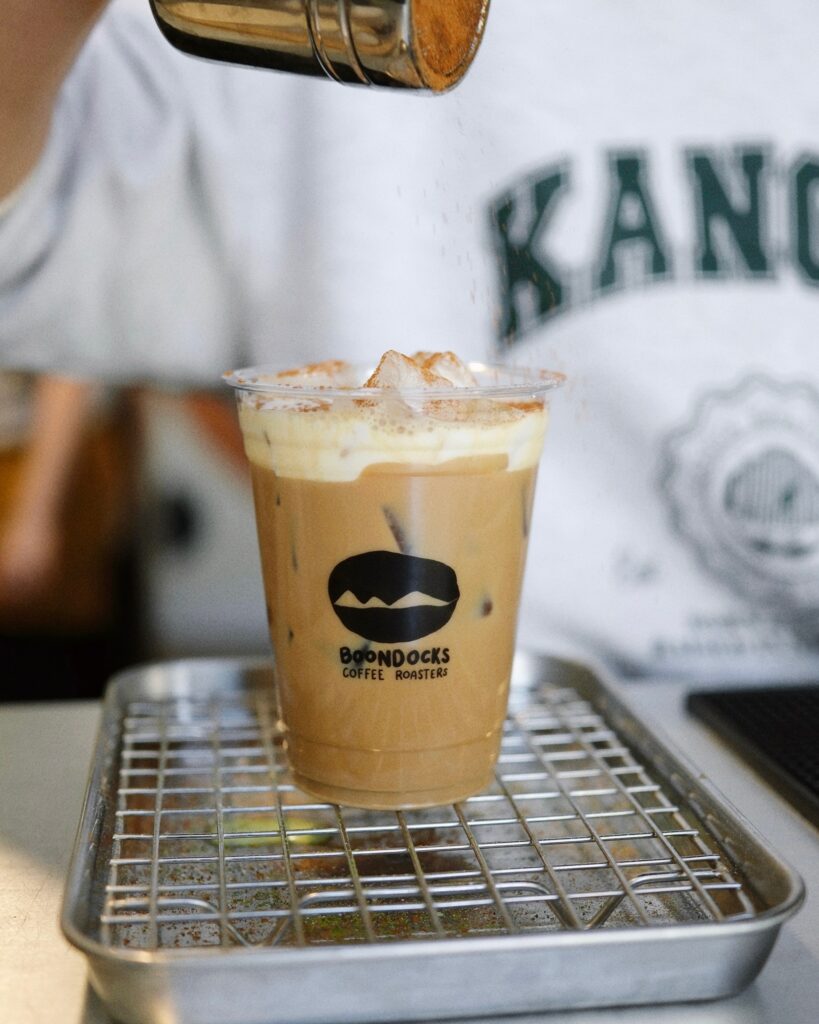
Take Boondocks Coffee Roasters. Established in 2021, fresh off of the COVID-19 pandemic, the business started as a pop-up at food festivals across Los Angeles, where it served cold brew-based drinks from a small wooden stand.
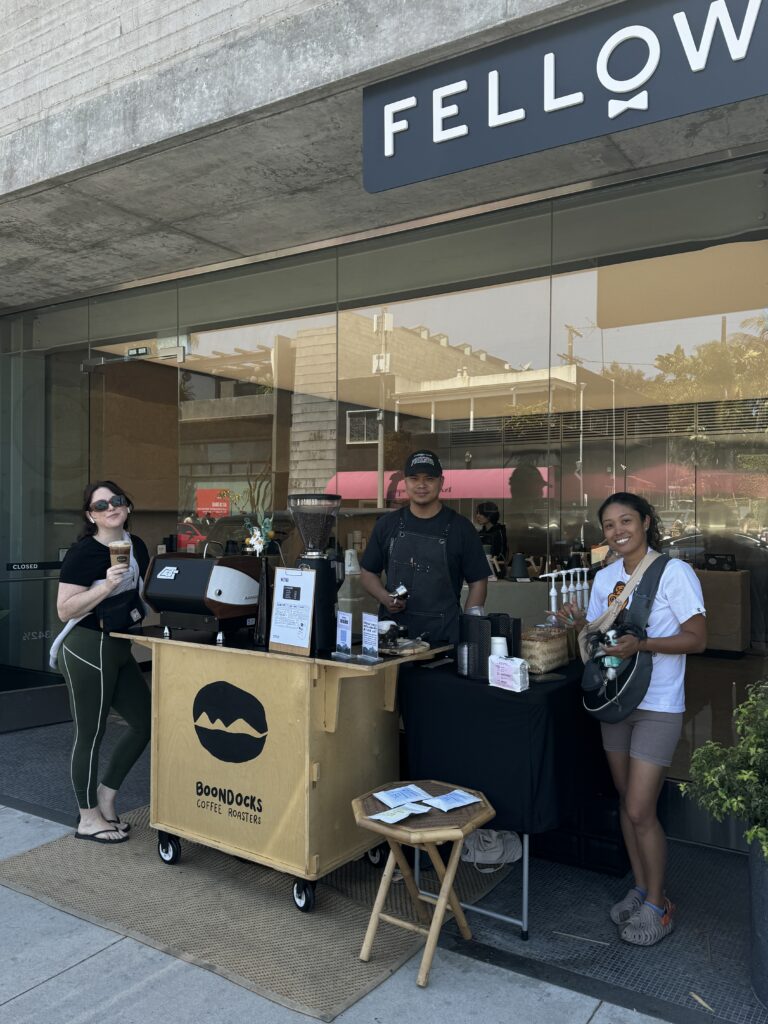
Boondocks founder Emil Vanta says that the idea for the coffee company came to him after a series of other failed businesses—and what simply began as a way for him to connect with farming communities in his home country, the Philippines, eventually evolved into a full-fledged endeavor.
Five years on, Boondocks now operates an espresso bar in a bustling shared space near UCLA, which it’s planning to completely take over sometime this year. Business is booming, with long lines of customers consistently filling the shop on weekdays and weekends.
Clearly, it is possible to start a coffee business right now and succeed. Despite innumerable challenges, coffee companies like Boondocks have still managed to not just survive, but thrive. But their success isn’t accidental; rather, it’s the result of a series of small yet calculated steps—a gradual expansion that’s been centered around community, adaptability, and authenticity.
For would-be coffee operators, that’s hopeful news. Read on to learn how first-time coffee business owners are finding a way to work with, not against, current conditions—and building something long-lasting despite it all.
Bring Your Personality to the Table
For Vanta, the key to succeeding as a new business owner is finding your niche. Instead of trying to appeal to everyone, it’s best to identify your target customer, based on your brand’s unique vision. “You’ve got to be offering something that’s different and creative: something that tells a story,” Vanta says. “Test out your concept with friends and family, and go from there.”

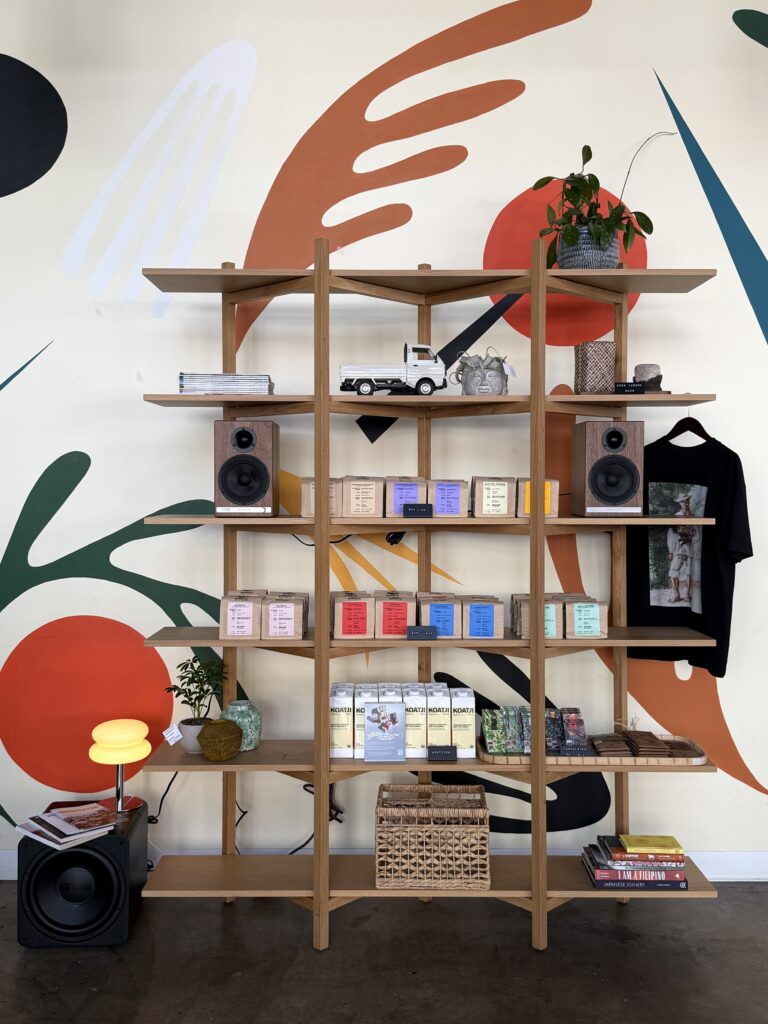
Vanta established a strong network of support by drawing on his Filipino heritage. Boondocks sources several coffee varieties from the Philippines, and many of its recipes incorporate Filipino ingredients like buko (coconut), pandan, ube, and latik (toasted coconut curds). Around the shop, Vanta has also stocked books and magazines highlighting Filipino landscapes, food, and other aspects of the culture.
People who study industry trends for a living echo Vanta’s sentiment on finding your niche. “Get clear on why you exist as a company,” says Julie Housh, program lead at Coffee Futures Fund (CFF), an accelerator fund that supports early-stage coffee businesses through structured mentorship, peer-driven cohorts, and funding.
Working for CFF, Housh has observed firsthand what’s working for new businesses—and what isn’t. She places a strong emphasis on community, reminding business owners not to see themselves as alone on their journey. “Be a real part of the community that you’ve chosen,” Housh advises.
Housh says that Coffee Futures Fund also encourages its cohort members to embrace social media as a tool, and to not be shy about the fact that they’re a new business owner still finding their footing in the industry.“It shows the authentic side of things, like, ‘Hey, we’re real people, and we need your support,’” she explains. “It adds a human aspect to what you’re doing.”
Another important thing that business owners should practice is knowing their limits. “With limited resources, it’s easy to try to take on everything yourself,” Housh says, “but building systems, delegating, and leaning on others is what actually makes a business sustainable.”
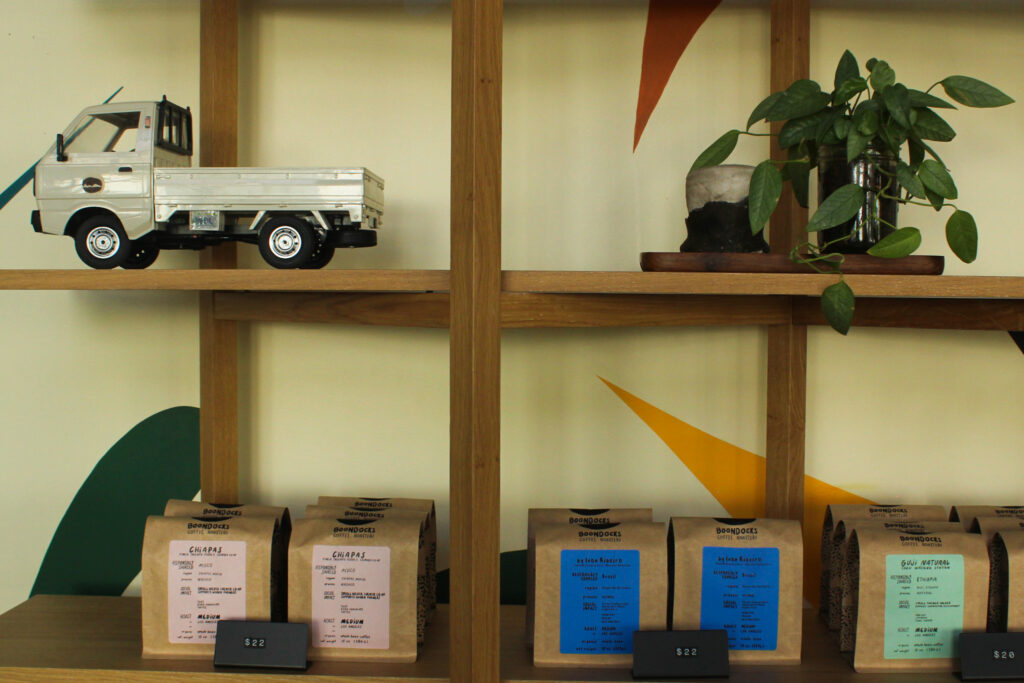
While the surrounding Filipino community has been incredibly supportive of his shop, Vanta says he’s still been able to connect with a wider audience. Filipino culture is a focal point at Boondocks, but customers of all backgrounds are welcomed, while given the chance to learn more about Vanta’s story and the cafe’s cultural context.
To keep things true to his vision, Vanta explains that he doesn’t serve anything that he doesn’t like. “I have nothing against trendy stuff. I don’t want to alienate people who are looking for things like that,” he says. “But I also only serve things that I personally like because, at the end of the day, it’s my coffee shop; it’s my brand.”
Take Small Yet Calculated Risks
As ingredient costs continue to rise, many U.S. cafe owners are dealing with tighter margins than ever before.But while the current economy may deter new business owners from taking risks, Vanta argues that doing so is necessary to grow. However, he assures new coffee shop owners that taking risks can be small and strategic: It’s about being careful enough to avoid disaster, yet gutsy enough to push the envelope.
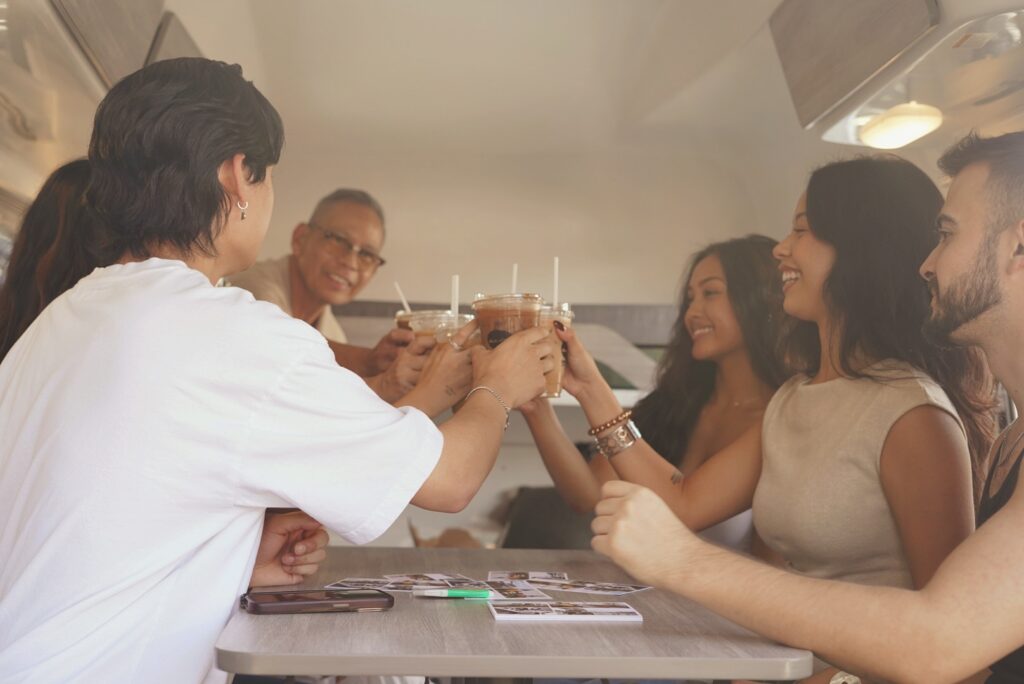
As an example of an opportunity worth taking, Vanta brings up Boondocks’ move into its current location. Transitioning from a mobile cart to a more permanent location was a big decision, but the team mitigated risk by choosing to share space with Live Bash: an existing event and production venue in Westwood that’s frequented by UCLA students.
Choosing to open inside of a space that already had its own clientele helped Boondocks start off in its new home with a solid customer base. Plus, it benefited Live Bash, helping the event space widen its own audience. “It was a win-win,” says Vanta.
That kind of measured expansion is what can pave the way to long-term, sustainable profitability. “Owners who are successful are thoughtful,” says Houch. “It’s tempting to try to take all opportunities presented to you—but successful owners consider what opportunities are the right ones for their business mission and goals.”
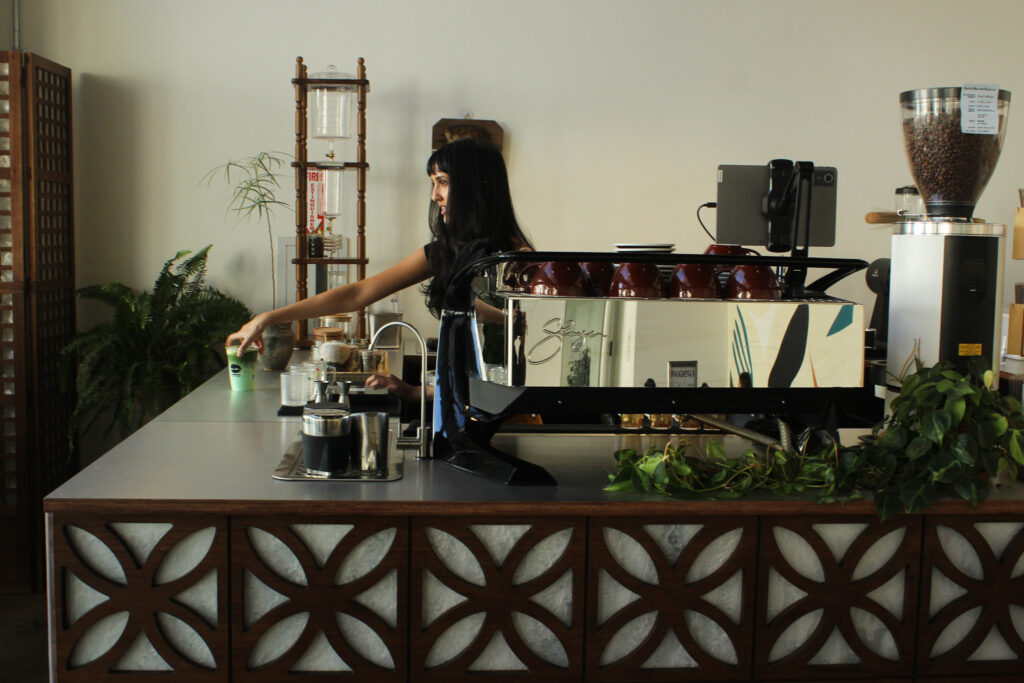
Though Boondocks’ new location has proven to be a good decision, Vanta says he’s still approaching growth with some level of caution. Instead of dropping thousands of dollars to install a new cafe setupcomplete with plumbing, the team has repurposed the wooden cart they used for pop-ups into a “bar” at the center of the space, with a water reservoir hooked up to their espresso machine that they refill every few hours.
Vanta describes this approach as “scrappy,” a mindset that’s allowed Boondocks to grow without overextending himself financially. “I’m not afraid to bootstrap everything,” he says. “We have to haul seven gallons of water back to our bar every once in a while. We’re essentially still a ‘pop-up’—our cart still has wheels! But this new chapter is nothing we can’t handle. We’ve learned to be very efficient with our flow.”
Remember Your ‘Why’
Ultimately, the important thing to remember is that, while your customers matter, so does your own well-being as a business owner. That means pacing yourself—and paying yourself—to avoid burnout.
“I’m starting to see it more and more: owners not paying themselves,” Housh says. “Especially in those first few years, a lot of people don’t give themselves a set salary. They tend to sacrifice that. But, if you don’t pay yourself, you may not have a viable, sustainable business.”
To have a viable business, you also need to stay rooted in your mission. In the years before launching Boondocks, Vanta says he had already embarked on a few business ventures, but none of them sparked passion for him the way that coffee does. “Coffee—especially coffee from the Philippines, which is my heritage and really, in my DNA—spoke to me. It’s something I can be excited talking about,” he says.
In an industry where lots of businesses are facing uncertainty, stories like Boondocks’ don’t have to be an exception. Building something personal, adaptable, and rooted in purpose can help you succeed long-term, and become more than a statistic.
“As clichéd as it sounds,” Vanta says, “find something that you love doing, and the rest will come naturally.”