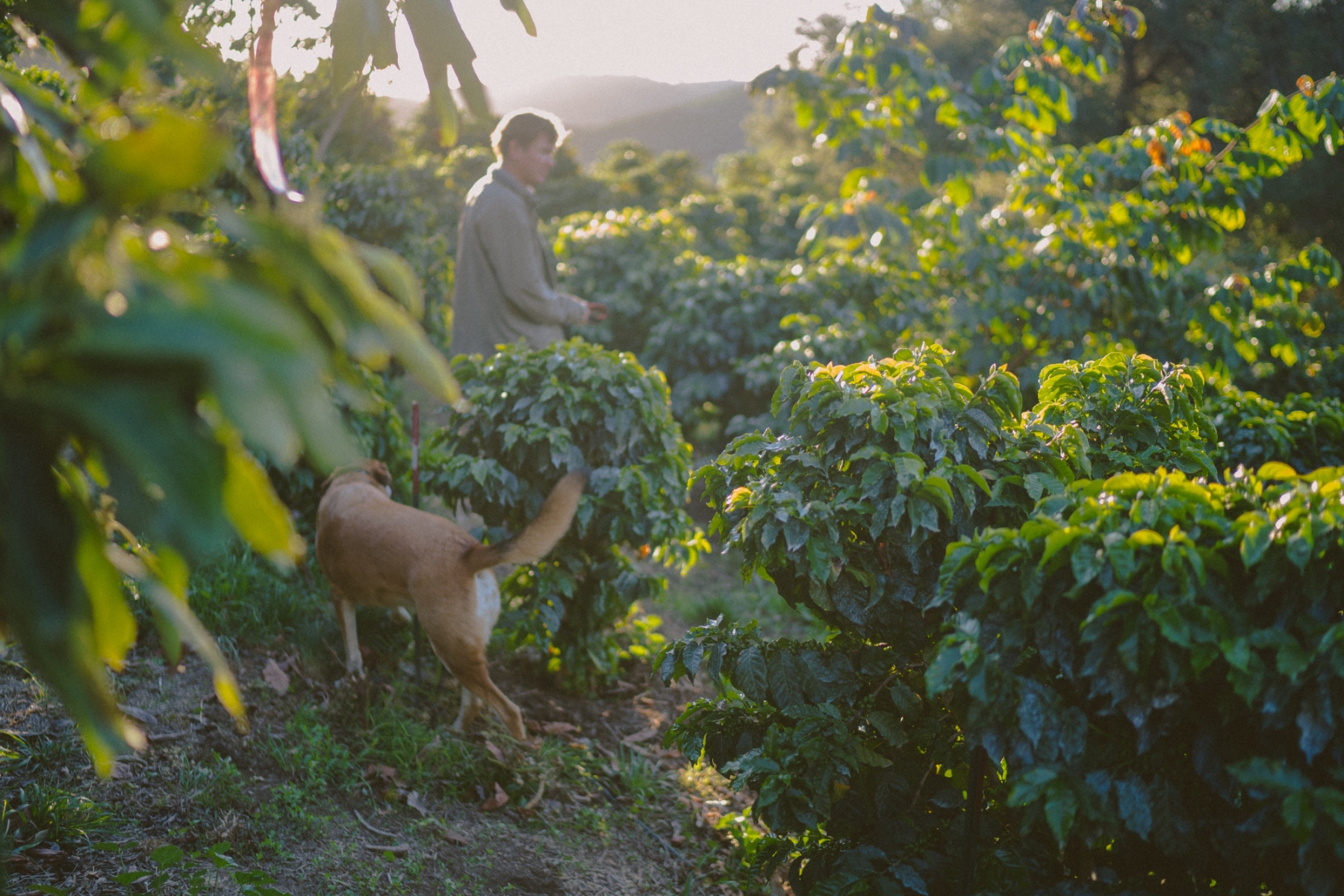
Jay and Kristen Ruskey, known for their innovative work in California’s coffee-growing movement, have died. The couple, who owned Good Land Organics and Frinj Coffee, died on Feb. 8 in what was described as a “tragic accident,” according to the Santa Barbara Independent.
Although no cause of death has been announced, the San Luis Obispo County Sheriff’s Department told the Independent that it does not suspect foul play. The couple are survived by their children Kasurina, Sean, and Aiden, and a GoFundMe has been set up in their memory to help with funeral costs and relieve financial pressure.
“The Ruskeys were caring and generous members of our community, always eager to support schools, causes, and friends,” GoFundMe organizer Jose Caballero wrote.
California Coffee Trailblazers
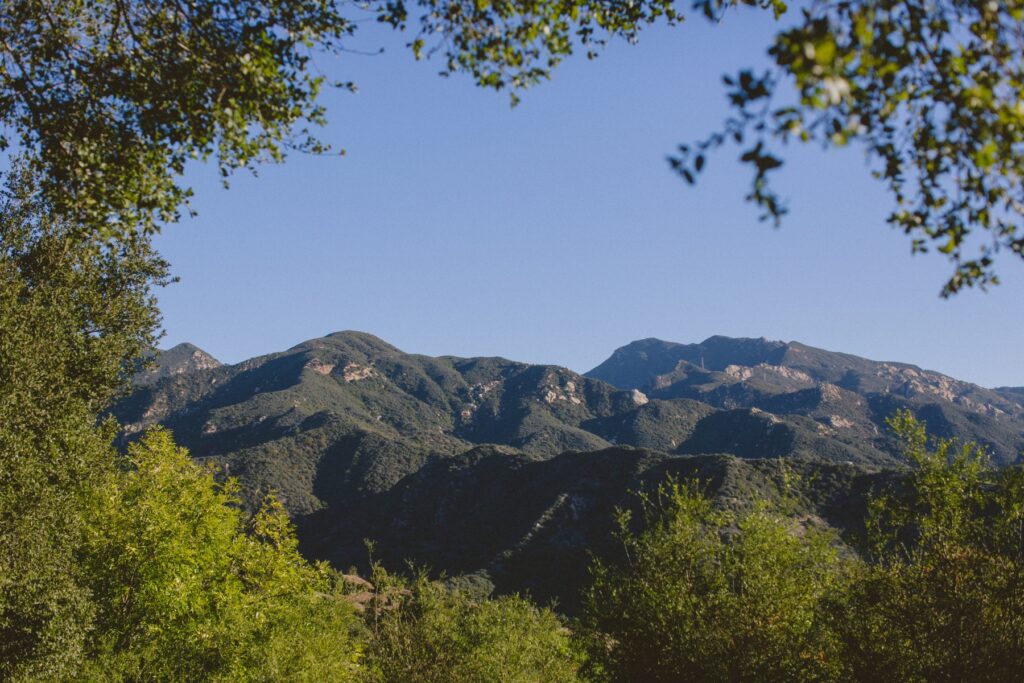
The Ruskeys began farming in Goleta, in the foothills of the Santa Ynez Mountains northwest of Santa Barbara, in 1992. With Good Land Organics, they developed a reputation for their innovative approach to growing rare and exotic fruit, such as the caviar lime.
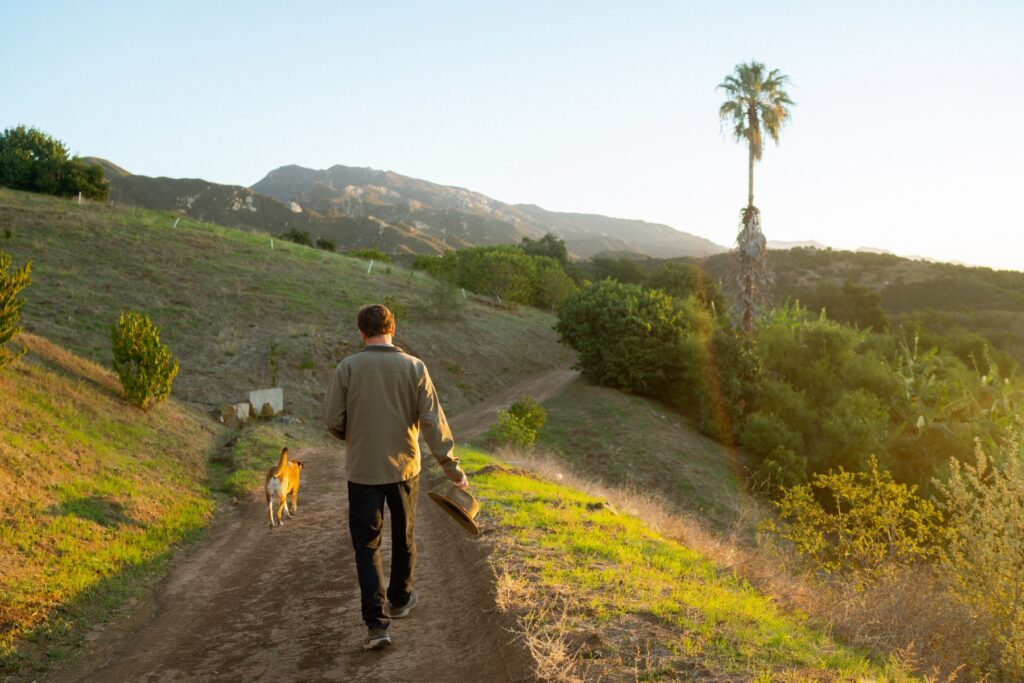
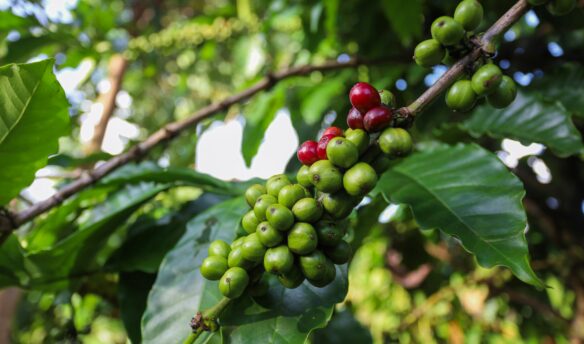
They first planted coffee in 2002, and quickly became proselytizers for California’s potential as a coffee-producing state. “We learned that we had the ability to grow very good coffee with a very unique flavor,” Jay Ruskey told NPR in 2018. They spread the message to other interested farmers, and there are now more than 70 farms growing coffee across the region.
The Ruskeys founded Frinj Coffee in 2017 in order to help farmers with technical assistance, provide seedlings, and assist with post-harvest processing and sales. Although the initial yields were small—in 2017 Blue Bottle Coffee bought the entire 250-pound lot, harvested from 25 farms in Frinj’s cooperative—the Ruskeys and other farmers doubled down, planting thousands more trees in the following years.
“We’re dedicated to making California a leader in fine coffee production and coffee education,” Jay Ruskey told Fresh Cup in 2022. “We are committed to modeling an equitable farmer return. We’re looking to resilient farming methods as the path of the future.”

The Ruskeys were enthusiastic proponents of sustainable agriculture, becoming certified organic and using avocado trees to provide shade for their coffee plants. In 2020 they conducted research into regenerative agriculture practices in collaboration with two local conservancy nonprofits and UC Santa Barbara.
After facing financial troubles in 2024, Frinj Coffee made history earlier this year by becoming the first continental U.S. coffee grower to take part in an international coffee auction. A 20-kilo lot of gesha coffee sold for $256 per kg at the Dubai Coffee Auction in January.
‘Deeply Generous, Community-Minded People’
Friends and collaborators of Kristen and Jay Ruskey have paid tribute to the couple. Hannah Bangs of Idyll Mercantile, who used to work for Frinj, wrote on Instagram that they “were visionaries who worked tirelessly to grow tropical fruits right here in Goleta, including coffee,” and described them as “deeply generous, community-minded people and devoted parents.”
Specialty coffee professional, journalist, and educator Ever Meister interviewed Jay in 2018 as part of the Re:co Symposium. “I was immediately struck by his curiosity, generosity of spirit, and deep consideration for the well-being of farmers and the climate,” Meister tells Fresh Cup. “In our brief time collaborating on that event, he left a very meaningful impression on me, and I’m truly so sorry to hear about his loss. May his memory be a blessing.”
“Jay was a special person I personally looked up to, not only because of our shared interest in coffee but how he was when we were lucky enough to visit the farm over the last decade,” Leon Wansikehian, founder of Play Coffee, wrote on Instagram. “Jay was always incredibly welcoming, generous with his time, and his passions for coffee and fruit farming were just as infectious as his love for his family.”
In a statement on Instagram, Frinj Coffee wrote that Jay “dedicated the past 23 years to his dream of establishing an industry in California that could produce the most distinct coffees in the world.”
“To those of us who knew him and worked with him, he was more than just our CEO,” the statement continued. “He was a best friend, and to some, a father figure. He was as much a larger-than-life inspiration as he was a down-to-earth friend. Though this is a devastating loss, FRINJ plans to uphold his dream and carry on his legacy.”
Photos courtesy of FRINJ Coffee.