When Colombian coffee farmer Yeraldin Castro Labachuco learned about the premiums coffee farmers in Huila were earning for growing specialty coffee, she was inspired.
For a year, she took extra care when tending to her trees. She picked only the ripest cherries during harvest and meticulously followed the processing practices recommended by specialty producers. But when Labachuco sold her coffee to the local cooperative, she was paid the standard commodity rate.
“They just threw my coffee in with everyone else’s coffee,” she says.
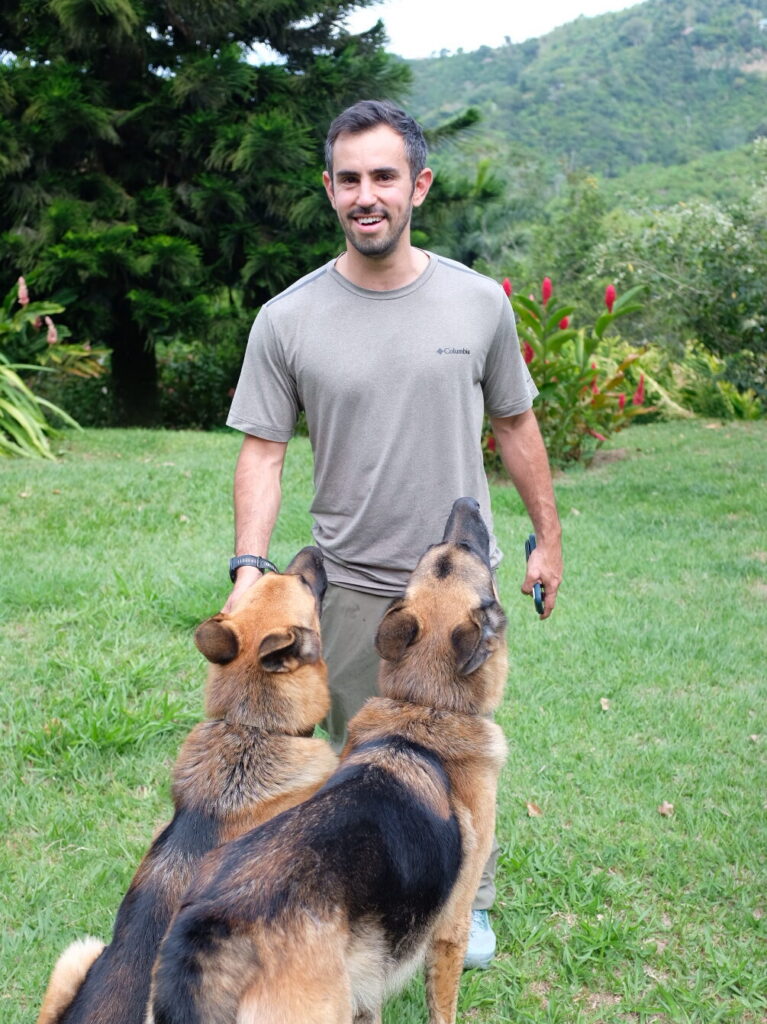
According to Shady Bayter, a coffee farmer, exporter, and co-founder of Forest Coffee, Labachuco’s story is not unusual in Colombia’s Caldas department.
“Caldas has traditionally been more focused on coffee volume than on specialty coffee,” says Bayter, “which means many producers have had limited access to international buyers and the opportunities that come with producing higher-quality coffee.”
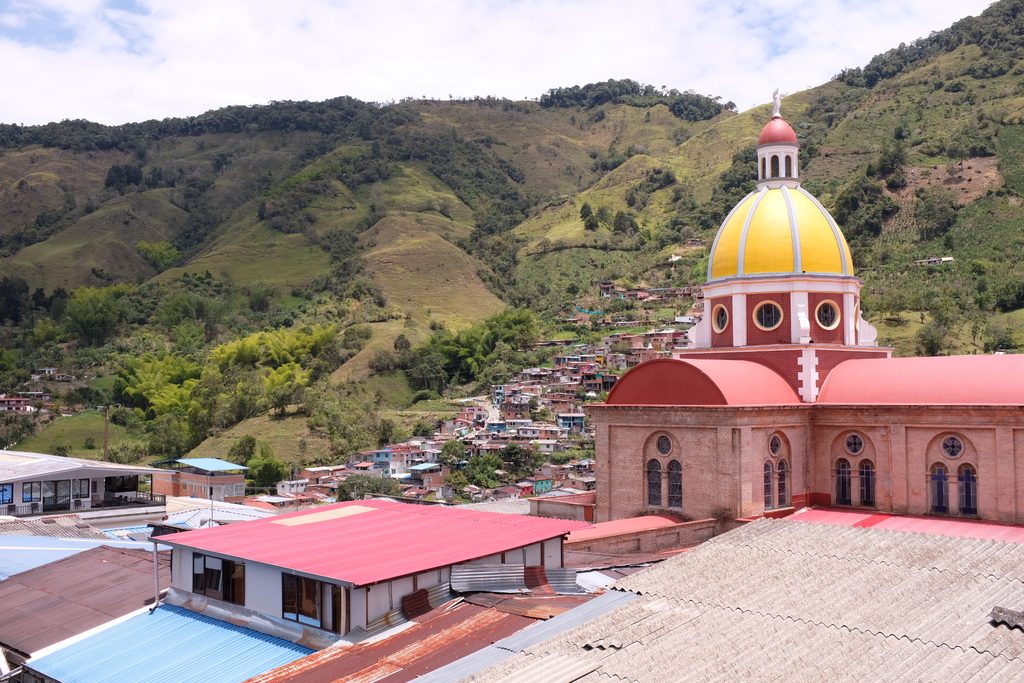
Caldas is one of the top coffee-producing regions in Colombia by volume. According to the Federacion Nacional de Cafeteros (FNC), a nonprofit business association that represents more than 500,000 Colombian coffee farmers, the department is responsible for approximately 7–9% of Colombia’s 13.7 million bags of annual production. Most of that production, however, is destined for commodity blends, labeled only as “Coffee of Colombia.”
“We can’t participate in the Tolima auction because our farm is in Caldas,” says Labachuco, referring to a coffee auction in neighboring Tolima.

The FNC and the government of Tolima organize an annual coffee auction at the Feria Internacional del Café, but the FNC does not currently organize an auction for the neighboring department of Caldas.
Bayter says the disparity between the region’s potential for quality and producers’ access to specialty buyers inspired Forest Coffee to bring its Reforest program to Caldas.
Reforesting, One Tree at a Time
“Through Reforest, we are helping connect these producers directly with international specialty coffee markets, [and] opening up new ways to sell their coffee and receive greater value for their work,” Bayter says.
Forest Coffee says the Reforest program has two goals: sourcing coffee for its roasting partners and building more diverse, resilient ecosystems.
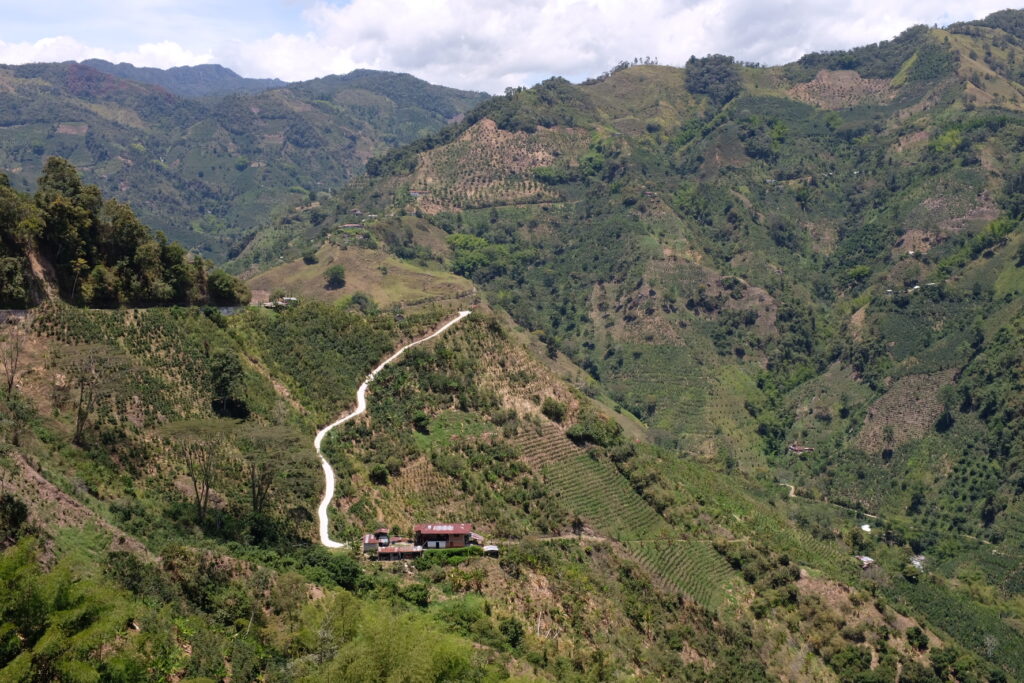
As explained in Coffee Atlas of Ethiopia, published by the Royal Botanic Gardens, Kew, Coffea arabica is classified as an “understory perennial” tree, meaning that in the wild it grows in the shade of larger trees. But many farmers in Caldas grow coffee in direct sunlight to maximize yields.
“We found many farms where growing coffee under shade was not traditionally part of local farming practices,” says Bayter.
According to World Coffee Research, climate change might reduce the land suitable for cultivating Coffea arabica by up to 50% by 2050. Coffee farms with less tree canopy have higher average temperatures, making them more vulnerable.
“Reforestation is one way to help farms adapt to these changing conditions,” says Bayter.
In addition to a 40-cent premium above the commodity price for coffee, farmers in the Reforest program receive seedlings of native trees to plant on their farms. One popular choice is Inga edulis, known locally as guamo.
“Guamo is particularly valuable because it is native to the region, grows relatively quickly, and provides shade…[while] allowing enough light to reach the coffee plants. It also helps fix nitrogen in the soil, contributing to soil fertility,” says Bayter. “By introducing guamo and other suitable native trees, we can help create a more favorable microclimate for coffee, protect the soil, and support more sustainable production systems.”
Value Added at Origin
Unlike traditional exporters, Forest Coffee operates its own importing companies in North America and Europe, allowing it to sell green coffee directly to roasters. This model seeks to keep more of the value created by Colombian coffee within the country. Some economists estimate that less than 10% of the revenue created by coffee globally stays at origin.
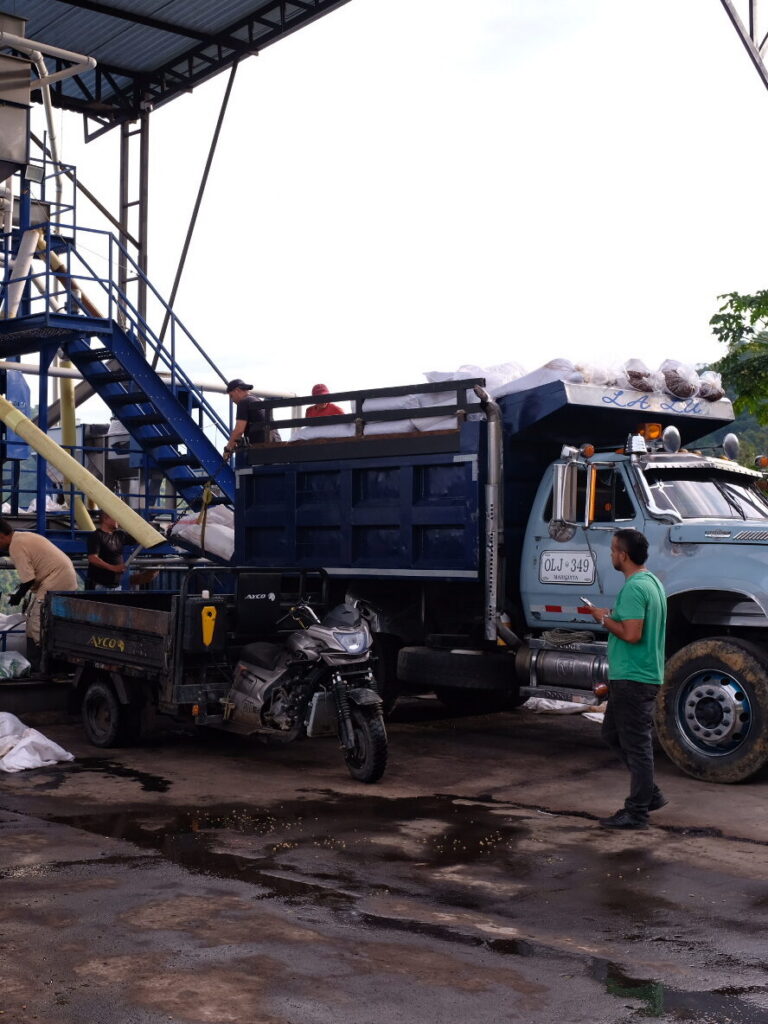
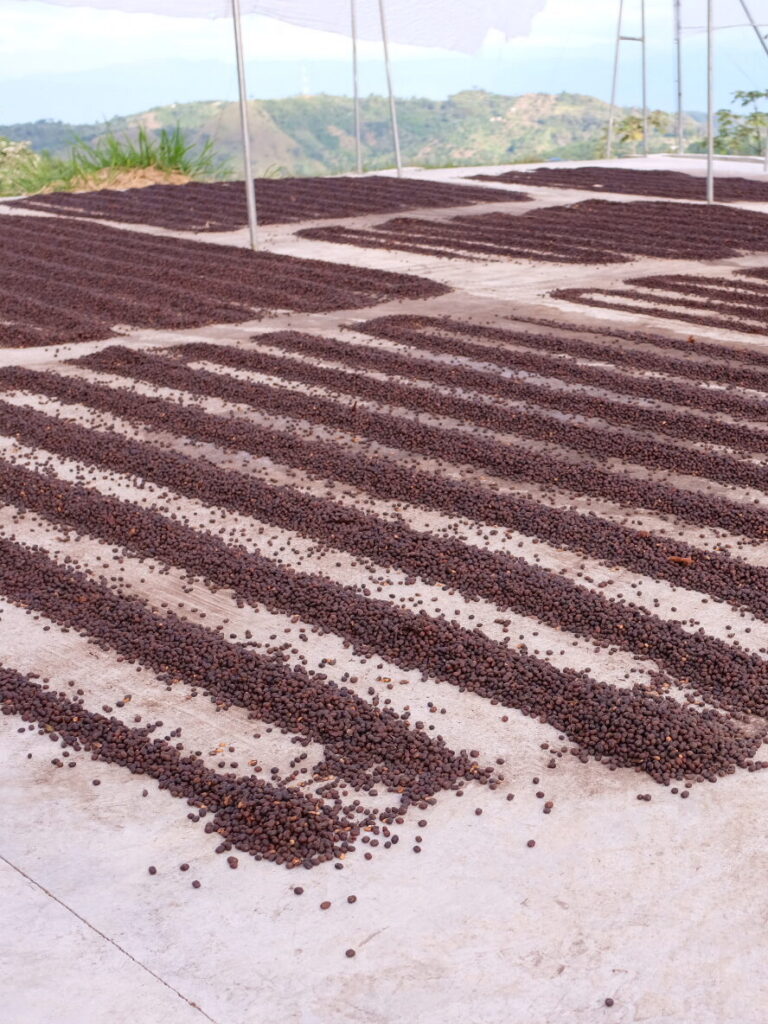
Forest Coffee’s business model also differs in its approach to sourcing. While most importers buy Colombian coffee after it’s been processed, Bayter says Forest Coffee buys whole coffee cherries to process at its own facility.
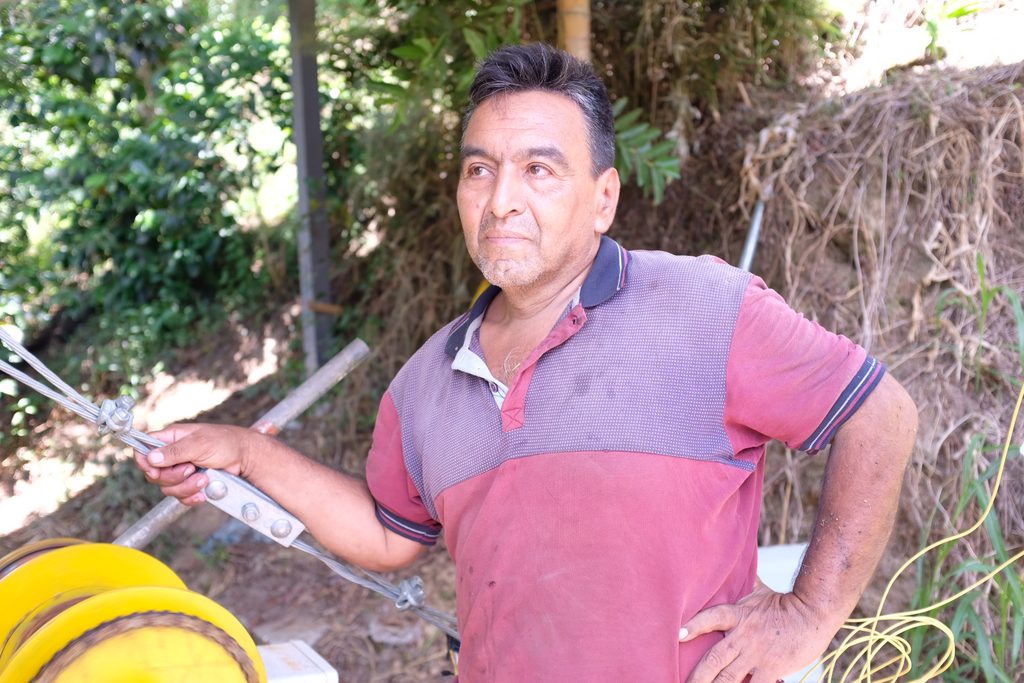
“Producers can sell us their coffee cherries directly instead of processing the coffee themselves and selling it as wet parchment, as is traditionally done. This allows them to earn more while saving valuable time, labor, and processing costs.”
Forest Coffee is known for innovative processing methods such as 96-hour anaerobic fermentations and infused coffees. Bayter sees the growing demand for these sorts of coffees to be an opportunity to add more value at the farm level.
“By combining better market access with education and improved production practices, we are helping producers become more profitable and productive per hectare. Ultimately, the goal is to create more resilient businesses and make coffee farming a more attractive and sustainable livelihood for their families,” he says.
To the Highest Bidder
To promote the Reforest program, Forest Coffee organized its own auction for the top-scoring lots it sourced from Caldas. Roasters from across North America, Europe, and the United Arab Emirates traveled to the city of Manizales to participate in the September 2026 auction.
“The auction gave producers access to international markets and demonstrated the true potential of their coffee,” says Bayter. “Some coffees sold for more than $20 per pound, approximately six times what producers might otherwise have received for those coffees through traditional channels.”
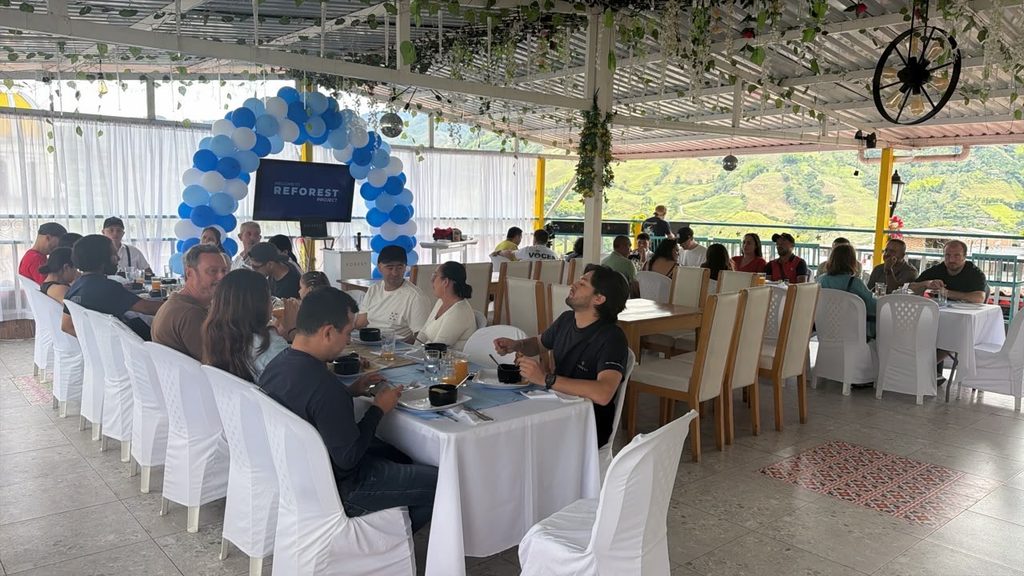
One coffee roaster who traveled from the U.S. to participate in the auction was Kaleena Teoh, a co-founder of Coffee Project NYC.
Teoh says it was “extremely humbling to see the amount of effort and challenges our producers and farmers faced to produce the coffee we so loved.” She continues, “As coffee business owners, we understand that money is power. The main way to support the community is to buy coffee from them. They need to know that their effort is being rewarded.”
For coffee farmer Yeraldin Castro Labachuco, the auction proved a chance to see her hard work finally pay off. Her top-scoring lot in the auction was purchased by Paris-based roaster Tanat. For some of the farmers who attended the event, the auction was the first time they had the opportunity to interact directly with coffee buyers.
“I believe the real value of the event goes far beyond the prices achieved. It gives producers motivation, recognition, and hope,” says Bayter. “It shows them that coffee can be a business worth investing in, that quality makes a difference, and that there are opportunities to grow beyond traditional production models.”