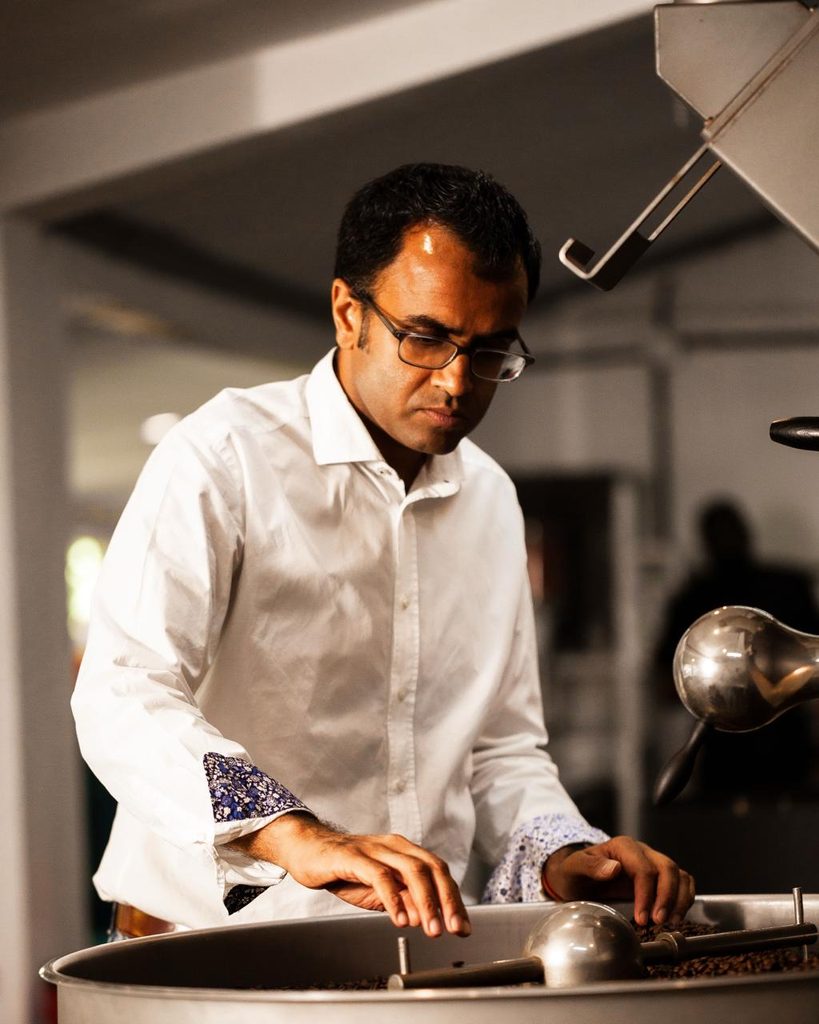
“For fifty years, Kenyan coffee has been described with the same three words: black currant, bright, acidic,” says Ritesh Doshi, owner of Spring Valley Coffee in Nairobi. A group of Kenyan coffee professionals wants to change that.
This November around 300 professional cuppers will assess up to 500 Kenyan coffees at the Kenya Coffee Flavor & Origin Expo, according to the UN’s Food and Agriculture Organization (FAO). Their findings will contribute to a publicly accessible national coffee flavor map scheduled for release in 2027.
From November 14–16, the expo will bring together producers, researchers, baristas, roasters, and international industry partners at Shamba Events Center in Nairobi, organizers say. Professional cuppers from Kenya and abroad are invited to join the November 15–16 sensory evaluations, with free applications open ahead of the event.
The expo is presented by the Coffee Board of Kenya, FAO in Kenya, and the Kenya Coffee Platform, with Torch Coffee Kenya as technical partner, according to FAO.
Doshi is among the Kenyan professionals contributing their expertise to the Kenya Coffee Flavor Map and the expo, along with Martin Shabaya—four-time Kenyan National Barista Champion and 2021 World Barista Championship finalist—and Q Grader Edwin Wanjiru. Doshi says the map could help producers get found, and paid, for the flavors that distinguish their coffees.
The expo’s educational program will feature Kenyan voices across coffee science, production, and entrepreneurship, including Dr. Cecilia Kathurima of the Coffee Research Institute at the Kenya Agricultural and Livestock Research Organization, among others. Creative Coffee Week, which runs during the expo, will add public cuppings, barista demonstrations, and cultural activities, according to FAO.
Who Gets to Define Kenyan Coffee?
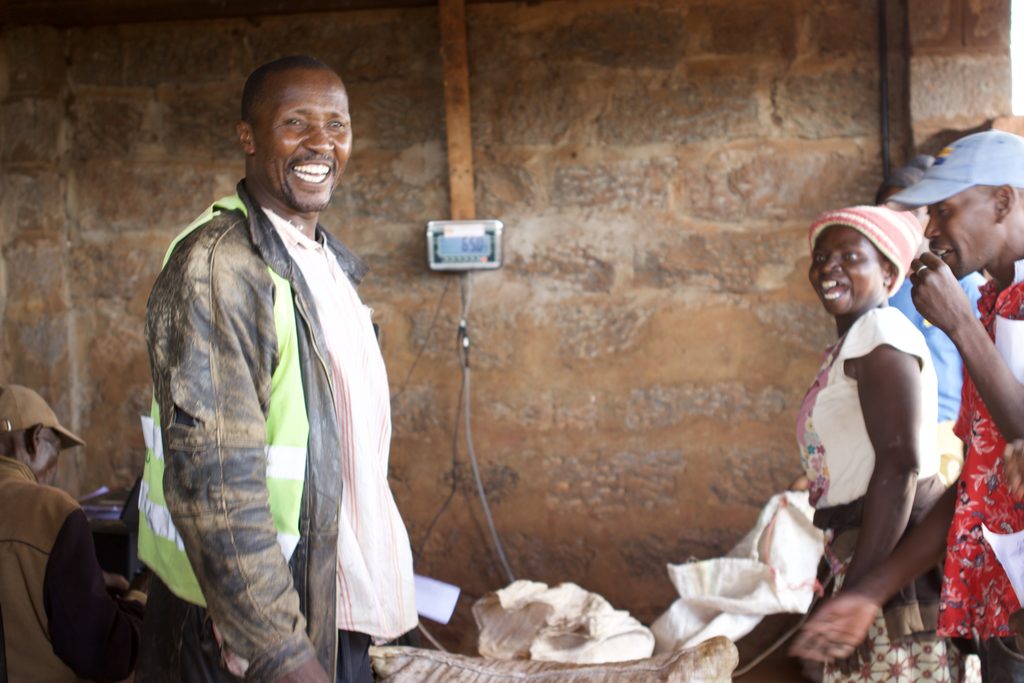
Kenya’s coffee industry grew up under British colonial rule, developing around large settler estates and export markets, and African farmers faced restrictions on growing the crop. Limited cultivation rights began in the 1930s, with broader participation expanding in the 1950s, before independence in 1963. Although the industry has transformed, its export-oriented structure remains.

According to Kenya’s Coffee Development and Marketing Strategy 2024–2029, about 95% of the country’s coffee was exported in green form in 2020/21. Who roasts, markets, describes, and assigns value to the coffee remains an important question.
For Doshi, the map could challenge the shorthand through which the international market has long represented Kenyan coffee. He points to natural-processed coffees from Mount Elgon, anaerobic lots from Ruiru, and producers experimenting with new methods as examples that show there’s more flavor diversity among Kenya’s producers.
Skills, Recognition, and Ownership
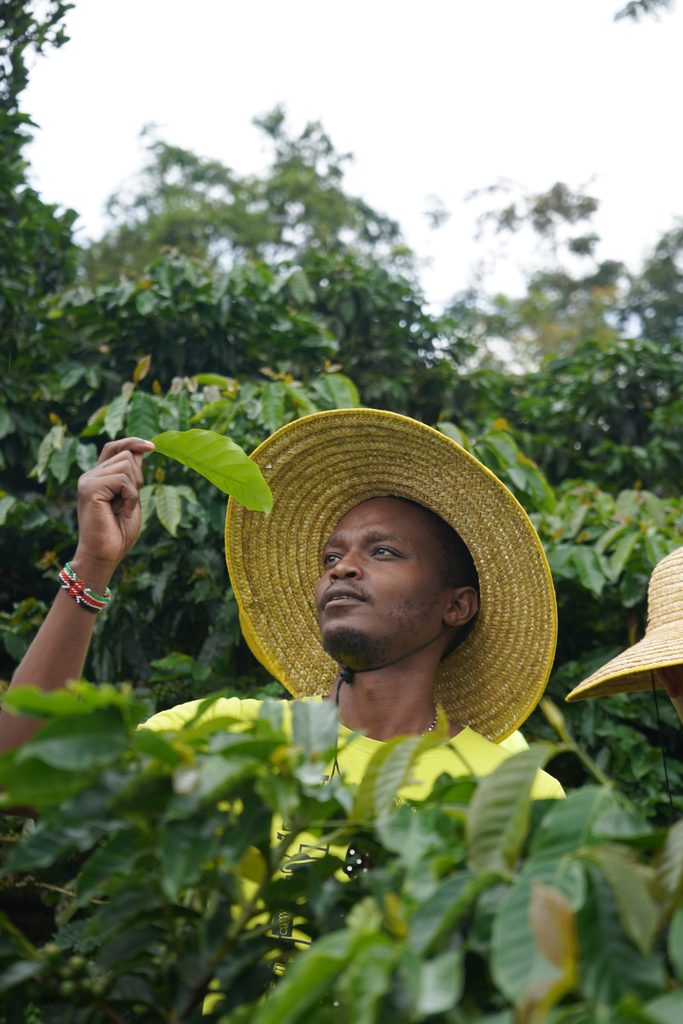

For Shabaya, the project is about more than sensory evaluation.
“Kenya’s greatest untapped potential is not just in our coffee farms, but in our people,” says the founder of Shabaya Limited.
Shabaya says Kenya’s future in coffee depends on expanding opportunities in roasting, brewing, sensory evaluation, and entrepreneurship.
Edwin Wanjiru, who works with Torch Coffee Kenya, sees the same need from the export side. He oversees coffee exports and quality standards while collaborating with farmers on processing methods to improve quality, consistency, and value.
“One of our greatest challenges is ensuring that this knowledge is developed, shared, and valued locally,” he says.
Wanjiru says the Kenya Coffee Flavor Map offers an opportunity to connect producers, researchers, baristas, and buyers through shared knowledge while strengthening recognition of Kenyan expertise.
“Our cafes are full of people who would have ordered tea ten years ago,” Doshi says. Kenya’s Agriculture and Food Authority reported that coffee shops increased from 231 in 2019 to 791 in 2023.
“When coffee is roasted, branded, and served in Kenya, the jobs, the skills, and the margin stay in Kenya,” Doshi says.
Shabaya hopes the project will change more than perceptions of Kenyan flavor. “We should not simply be part of the global coffee conversation; we should be helping shape its future,” he says.
Professional cuppers can apply free of charge to participate in the November 15–16 evaluations. Organizers say applications will remain open ahead of the event; late applicants can contact info@coffeeflavormap.com. For additional event information, visit coffeeflavormap.com.