This story was researched and written by Fresh Cup in partnership with our sponsor, Flashquotes.
The first time Joey Cristofanelli pitched a coffee catering gig to a major corporate account for Valor Coffee, he was worried about overcharging. He didn’t want the client to push back and lose the gig, so he set a price with some napkin math, then knocked it down some, then knocked it down some more.
The client did push back—but not for the reason he expected.
“I was under-quoting them so much that they were like, ‘Hey, I want to make sure you’re getting paid an adequate amount,’” Cristofanelli, Valor Coffee’s catering and events manager, says. “That was a huge wake-up call for us.”
Coffee catering has grown into a serious line of business for cafes, roasters, and dedicated coffee catering companies. According to published pricing data from Flashquotes, a quoting and booking platform for coffee carts and other mobile event businesses, a typical event costs clients about $1,040. Of the 25,860 bookings that make up the data, half of the events land somewhere between $765 and $1,700, and nearly seven in ten of those bookings are weekday corporate events.
There’s no secret formula for getting to a standard event quote. We spoke with four operators who each quote events in their own way: Creature Coffee, which caters in Austin, Seattle, and Phoenix; Valor Coffee in Atlanta, Georgia; Goodhart Coffee, which caters in seven large metros around the U.S.; and Peculiar Coffee Co. in Lansing, Michigan.
What Coffee Catering Clients Are Really Buying
A cup of coffee and a latte might run $3 and $6, respectively, at a brick-and-mortar coffee shop. When you take typical catering package rates and divide them by the cups of coffee sold, the price often comes out to $10 or even $20 per drink.
Zach Capshaw, co-founder of Flashquotes, says it’s not uncommon to see coffee carts sending invoices for catering that work out to $50 per cup of coffee served. But he says some clients booking a coffee cart will happily pay, because they aren’t only buying coffee.
“They’re not really pricing coffee carts in terms of price per cup,” Capshaw says. “They’re thinking about it as, essentially, ‘This is an experience that I get to offer my guests.’”
Mobile coffee operators have sent over 150,000 quotes and proposals for coffee catering through Flashquotes’ software. The data shows why “cost-per-cup” pricing isn’t useful for caterers. Travel, setup, and breakdown cost about the same if a cart serves 30 people or 800, so per-guest pricing drops steeply as events grow. Events under 50 guests average $38.11 per guest on Flashquotes, while events of 500 or more average $9.62, according to the company.
“The part that surprises most people is that the coffee is often the cheapest line [item] in the whole quote,” says Michael Craig, CEO of Creature Coffee. “What people are really paying for is skilled people, quality equipment, insurance, and the logistics of setting up a full espresso bar somewhere it doesn’t normally live.”
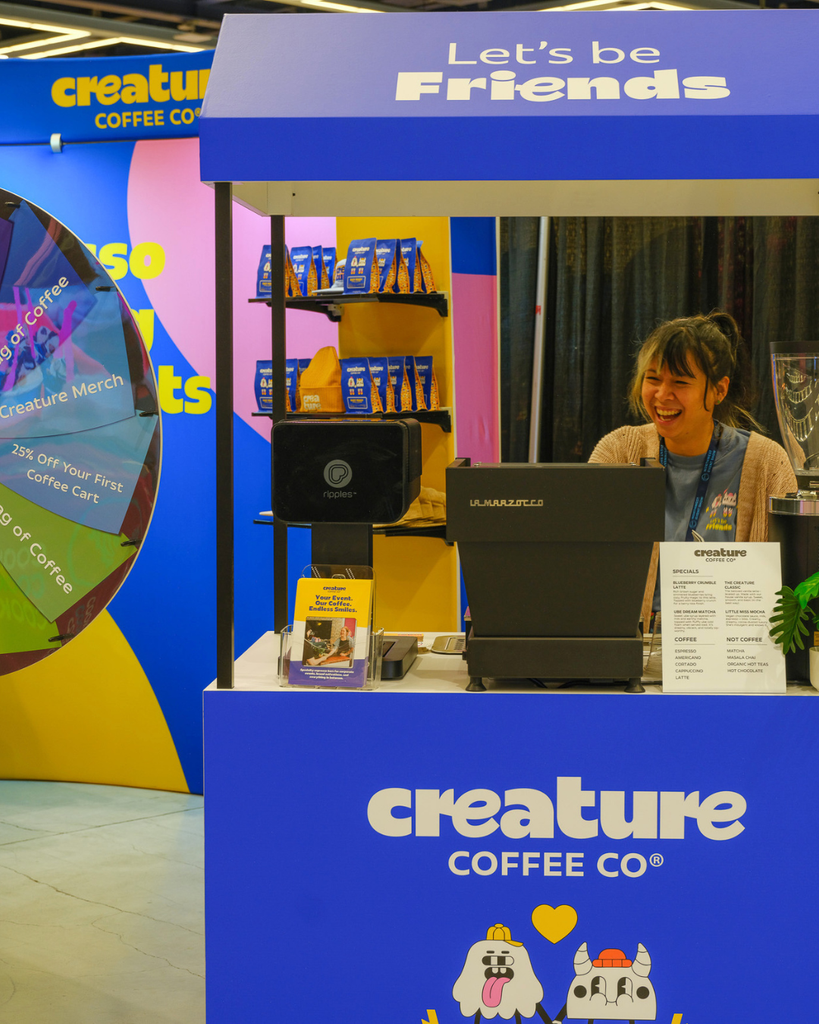
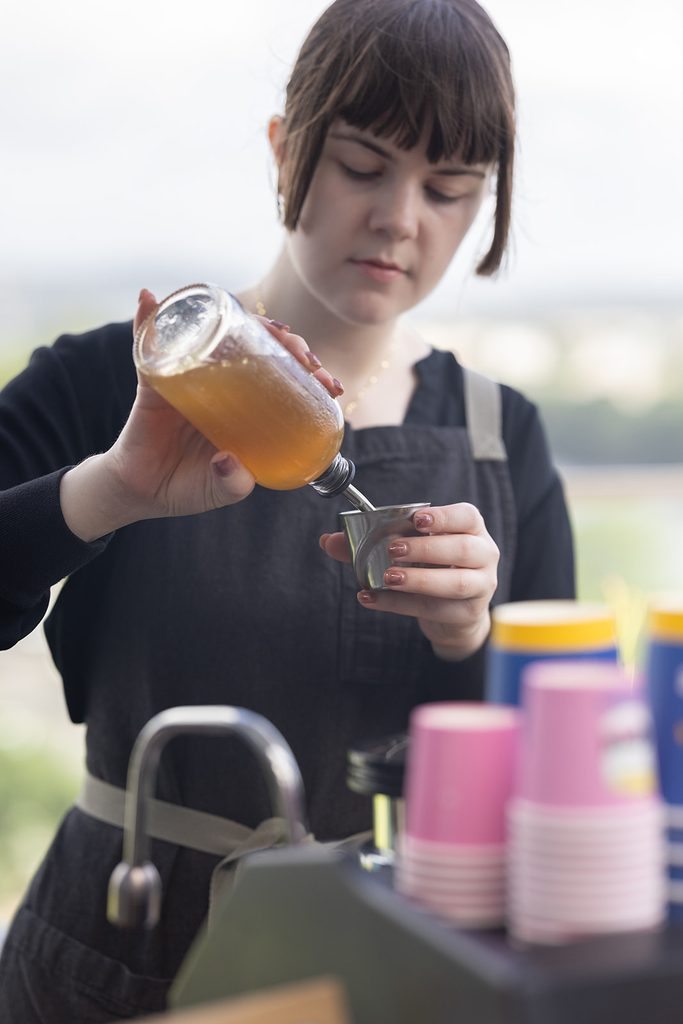
Here’s how each operator says they set their prices and what they’ve learned about pricing over the years, as well as what the Flashquotes founders see across 400+ mobile coffee operators on their platform.
Goodhart Coffee Catering: Base, Plus Hourly, Plus Travel
Justin Goodhart started Colorado’s Goodhart Coffee Catering in 2017 with a cart at farmers markets and local events. The company now serves coffee at more than 5,000 events each year, making it one of the biggest coffee catering companies in the U.S.
Goodhart is also the co-founder of Flashquotes, where he suggests a pricing framework for other coffee cart owners that’s based on his own experience.
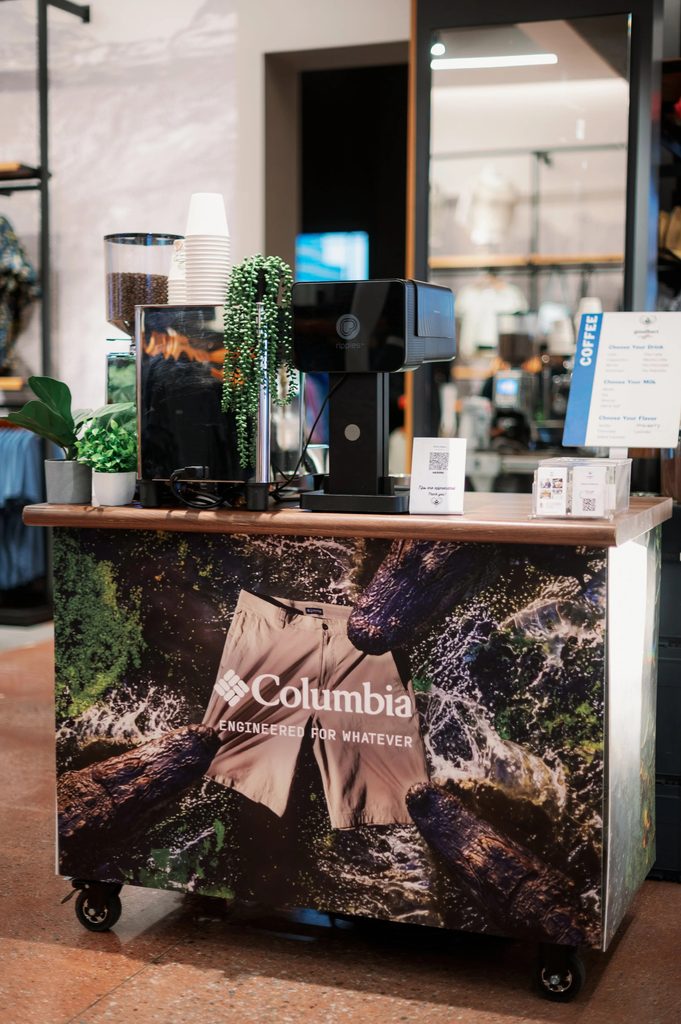
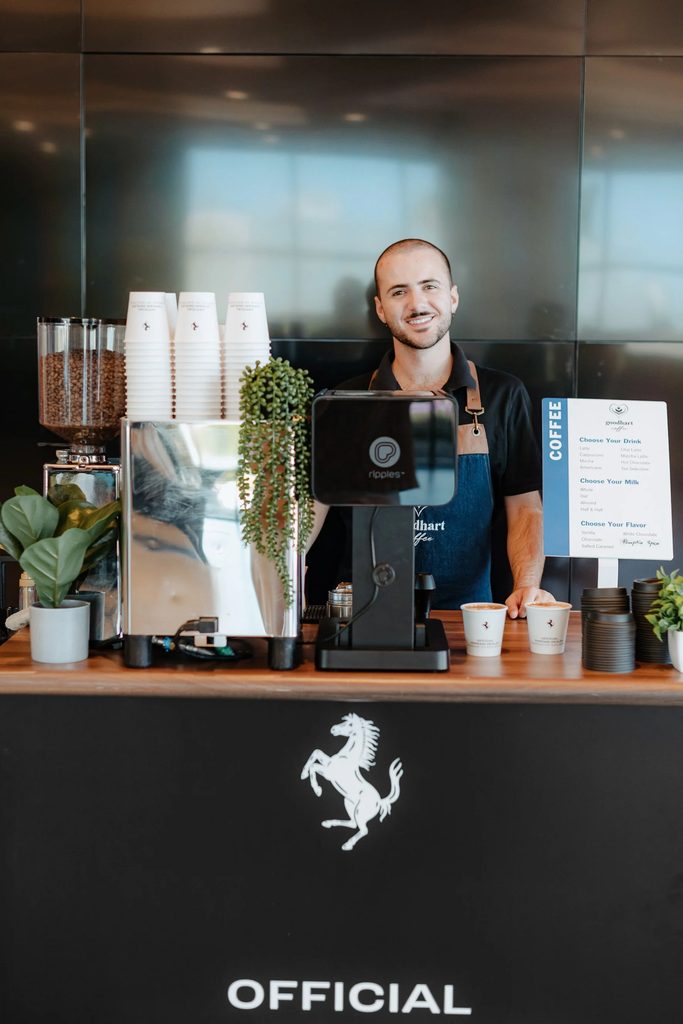
The structure has two parts: a base price of $300-$500 that covers the 4-6 hours of packing, setup, breakdown, and cleaning, plus an hourly rate of $150-$200 that covers service expenses. Travel fees, when relevant, are added on top.
Base price ($300–$500) + hourly rate ($150–$200 per service hour) + travel = quote
Goodhart recommends quoting two to three times the cost of labor, product, and travel, for a gross margin of 50%-70%. His reasoning is “if you don’t have enough profit margin, you’re never going to be able to afford new equipment, pay people to work events, or pay for machine repairs.”
Creature Coffee: Drinks Served per Hour
Creature starts every quote with a basic service package that includes a trained barista, the cart, espresso equipment, setup and breakdown, and a standard menu for a set number of hours and guests. The volume of drinks served largely determines the price from there.
“The thing most people get wrong is that they price off guest count. We price off of how many drinks we will serve,” Craig says. “Even if 1,000 people are attending, we still ask the client the same thing: how many drinks per hour would you like us to serve?”
A Creature barista has an upper limit of making 40 to 60 espresso drinks an hour, he says. Creature learned this the hard way. Early on, it quoted a 100-person corporate breakfast as a flat fee and staffed it for 100 drinks. “We had one barista and a line out the door. A very long morning,” Craig says.
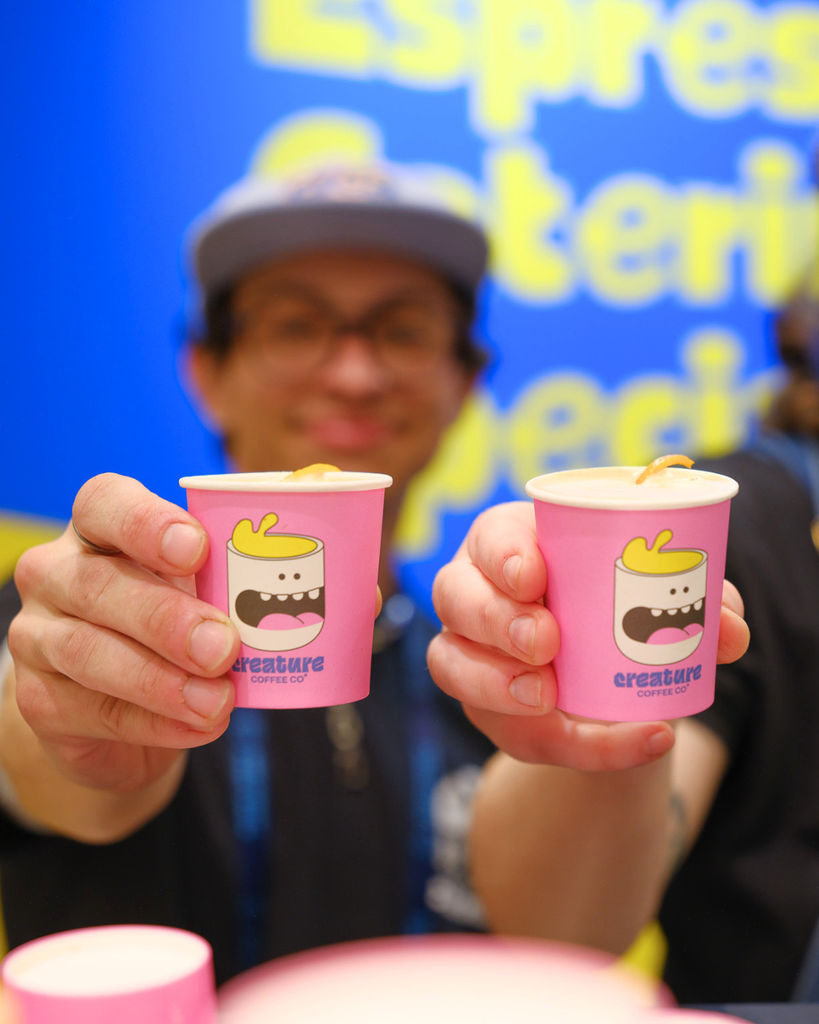
Now the team asks how concentrated the service window is. “One hundred people over three relaxed hours is easy for one barista,” Craig says. “But 100 people who walk in and all want a drink inside a 30-minute window? That’s four carts and four baristas to pull it off well.”
Valor Coffee: Hourly by Guest Count Tier
Valor Coffee quotes based on the number of guests. Cristofanelli says the company sorts every event into one of four tiers: under 100 guests, 101 to 200, 201 to 250, and more than 250. Each tier has its own hourly price range based on the number of baristas serving coffee, and he adjusts the quote from there based on hours of service, travel, and add-ons.
Inside a tier, the base price rarely changes. He says an hour of service for 50 guests starts at the same hourly rate as an hour for 75, and an event for 100 guests costs about the same as one for 185. That makes a 185-guest event less profitable than a 110-guest one, since Valor goes through more product for the same price.
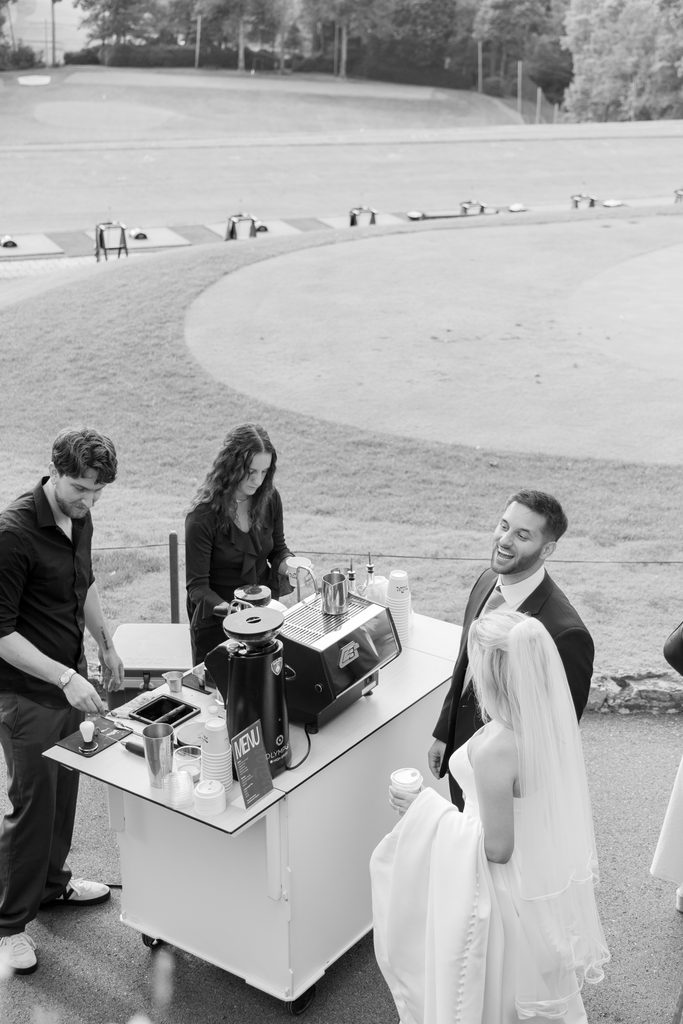
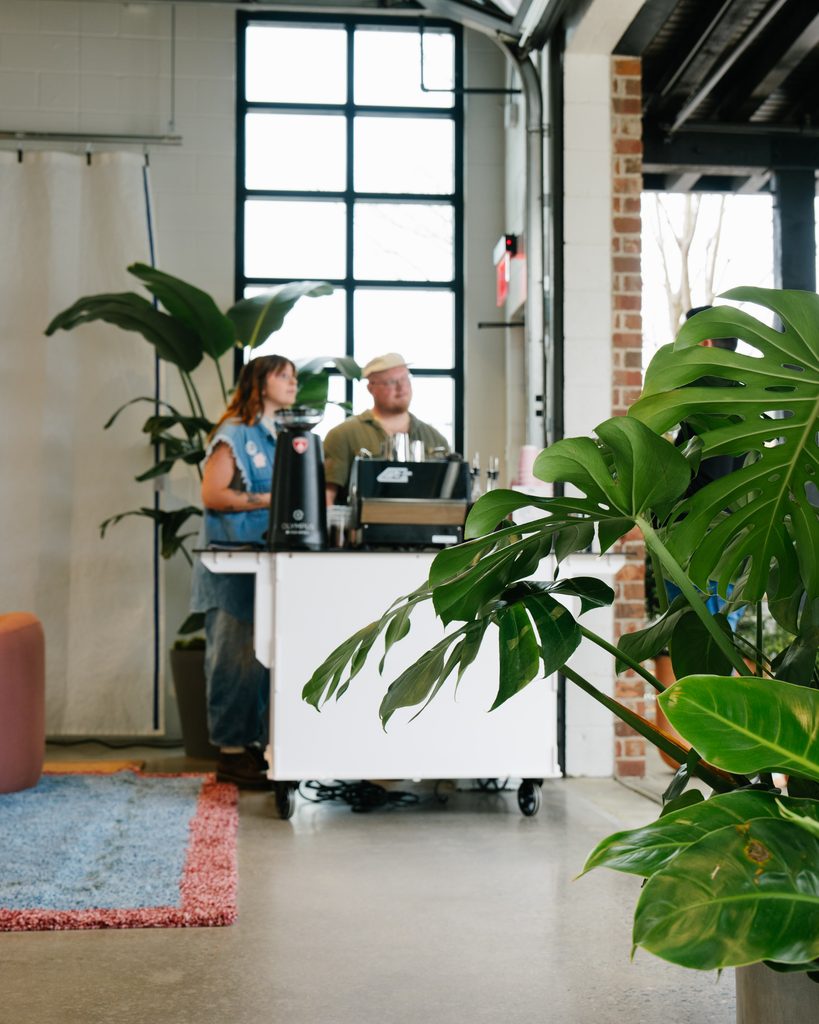
The tiers help keep things simple for clients and are priced so the margins will hold at either end of the range. “[W]e will be financially okay regardless,” Cristofanelli says.
Peculiar Coffee Co.: A Per-Guest Target
Selina Mate, owner of Peculiar Coffee Co. in Lansing, Michigan, generally aims for about $15 per person on local events, with a $400 minimum. A 20-person party pays the minimum, or $20 a head. A 50-person party runs at a slight discount: about $670, or $13.40 a head.
Mate’s business is a year and a half old. Before launching, she says, she knew she needed to understand her cost of goods (COGS), “instead of pricing solely based on vibes.”
“I have found that a good rule of thumb in our industry is COGS multiplied by 3-5 equals the price,” she says.
Her per-person prices sit below Flashquotes’ averages, and she says her local market is to blame. Lansing’s median income is about $54,000, she says, and many of her clients are government agencies, nonprofits, and industrial companies with lower budgets for coffee catering.
Where All Four Operators Say They Lost Money
Each company interviewed commented on making the same early mistake: not accounting for the time it takes to pull off a catering gig outside of active service time.
“The mistake was that we priced the hours people could see us, and forgot the hours they couldn’t. Prepping the night before, loading the van, driving across the city, breaking down, cleaning up at midnight,” Craig says. “We’d finish a great event, everyone thrilled, and then the math would tell us we’d basically paid for the privilege of being there once you counted labor and drive time.”
Flashquotes’ data shows how expensive a mistake this can be. A three-hour event is typically an eight-hour shift for staff once driving, setup, breakdown, and restocking are counted, according to the company.
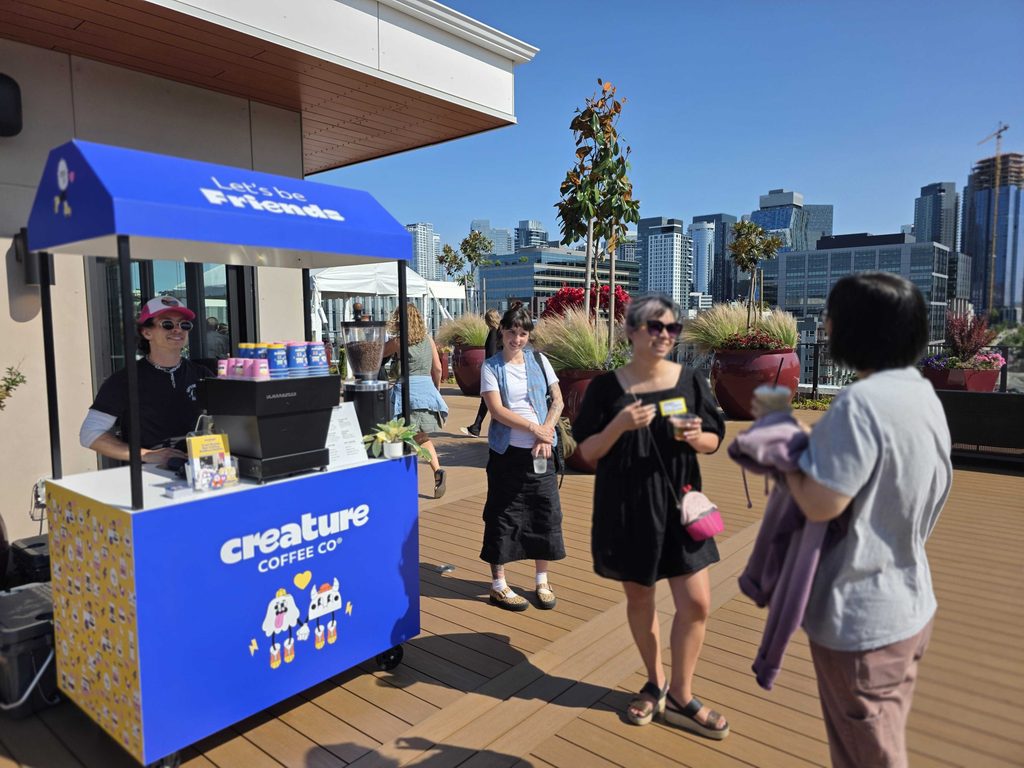
For Mate, not properly counting travel was the margin-killing mistake. She recently realized she’d quoted a travel fee on mileage alone. “If you only factor in mileage, the time that your barista spends driving comes out of your pocket,” she says. Peculiar now charges $1 per mile, plus $20 per staff member, per hour of travel time.
Rates vary across operators. Valor charges roughly 75 cents a mile, Cristofanelli says. Capshaw says the typical travel fee charged by operators on Flashquotes is $1.25 per mile, noting that the IRS baseline for vehicle costs alone is 76¢/mile . Goodhart doesn’t beat around the bush: “Do not undercharge for travel or else you’re just giving all of your clients your vehicle usage for free.”
Mate also underpriced her own labor at first. “When you’re an owner-operator, it’s easy to be flexible with the labor portion of your work,” she says. Discounting her own labor eventually trained clients to expect a lower price, which meant it was costing Peculiar money when employees other than Mate worked events. She fixed it after getting guidance from the Flashquotes team. “Now we factor in labor costs regardless of who is working the event.”
Add-Ons and Discounts
As coffee catering matures, base rates are competitive. The operators all suggested that the final margin is often determined by extras and add-ons.
Cristofanelli says Valor charges a standard $3 per guest for a custom drink, with custom syrups priced separately. Vinyl logos on carts are another popular add-on, along with pastries, which he says is one of the most requested and most difficult to execute.
Valor has also grown by adding new kinds of carts. After clients kept asking for matcha, it launched an iced matcha cart service, and a hot chocolate cart is planned for this winter.
“We have all of the materials to do it, and… all we have to do is show up with our same level of hospitality and just bring a slightly different product,” Cristofanelli says.
Capshaw says Flashquotes often advises its customers to offer latte art printers, which print images onto a drink’s foam. “The latte printer add-on is especially popular with corporate clients”, he says. The machines cost about $3,000, with $100 cartridges, Goodhart says, so operators usually charge $75-$100 or more per hour to include them in service.
Peculiar charges $75 for a custom sign on its cart and adds matcha, chai, cold brew, and cold foam for an extra charge. Custom drink menus are always included, Mate says. They cost her little time and almost nothing to print, “but the payoff in making our clients feel special is priceless.”
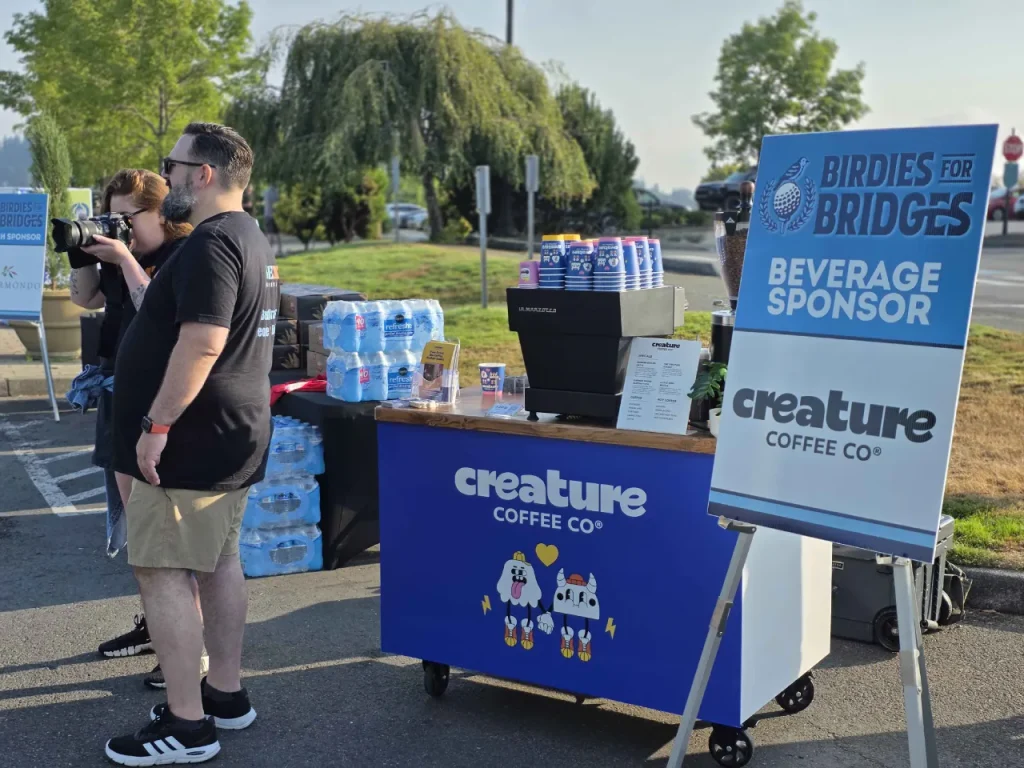
When it comes to discounts, the operators don’t follow a standard path. “We’re a premium service, so as a rule we prefer not to discount,” Craig says. The exception is a first-time client, who might get an intro rate, “because that first booking is the expensive one to earn.”
Mate would rather add value than cut price. “I would prefer to add a custom sign for free over a 5-10% discount,” she says. For schools and nonprofits, she asks for the organization’s tax-exempt form. “Saving 6% in Michigan taxes has convinced several clients to book.”
Speed Wins, but Stay Human
The importance of timely contact was a common thread among the operators we interviewed.
“In coffee catering the first good quote often wins, because event planners are juggling a hundred vendors, and they remember whoever made their life easy first,” Craig says.
Every lead enters Creature’s system through Flashquotes, as Fresh Cup reported in its Coffee Tech Stacks profile of the company. The tool lets the team send a professional quote “in minutes instead of end-of-day,” Craig says.
Mate switched to Flashquotes a few weeks after launching Peculiar, once she had sent five to ten invoices by hand. Now she aims to answer every lead inquiry within five minutes. “I am a self-proclaimed Flashquotes evangelist,” she says.
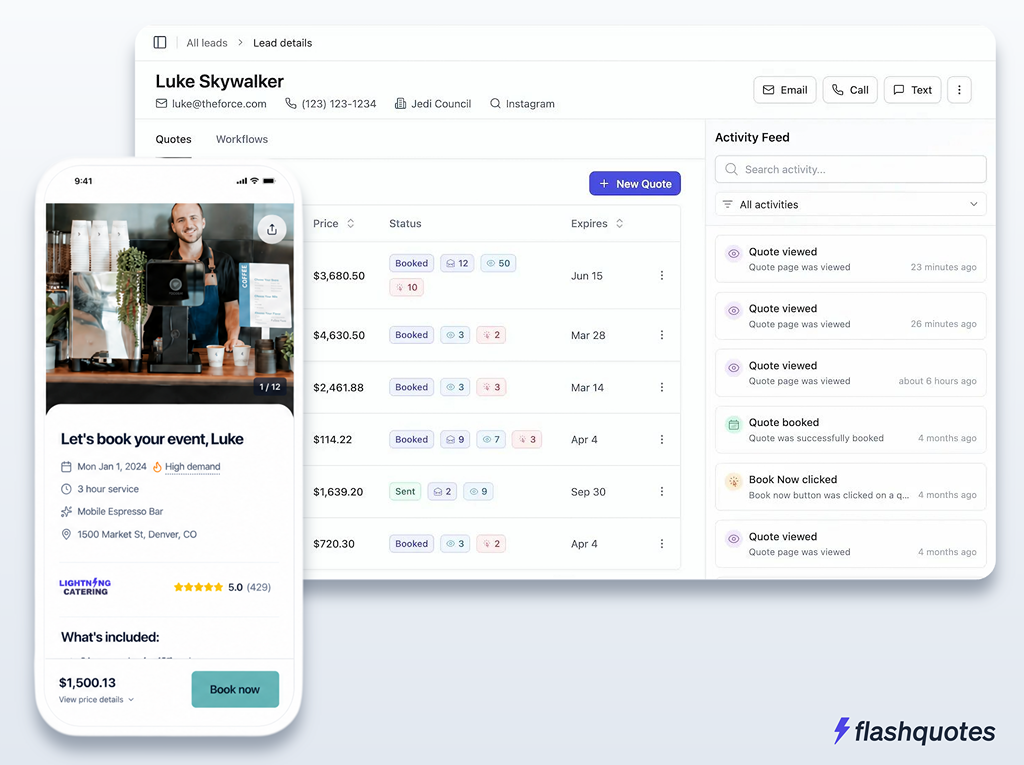
However, speed alone doesn’t close a $1,000 sale. Many clients have never hired a coffee caterer, Goodhart says, and the price can make them nervous.
“When you’re spending $1,000 on coffee catering and you’ve never had a coffee caterer before, it’s a little bit nerve-wracking. Like, is this going to go well? This is a lot of money,” Goodhart says. The operators who win big events have reviews, photos, and a sales process that explains everything included, he says.
At Valor, every event quote is followed by an automated text that tells the client a real person is on the other end, Cristofanelli says. Once a client books, they’re handed to Valor’s event concierge who stays in touch until the event. “We want to have immense clarity and immense communication with our client all the way up to their events so that they feel taken care of,” Cristofanelli says.
He’s wary of automation that forgets the person on the other end. “It’s so easy when you get into the automated quote business to lose your humanity,” Cristofanelli says. “I love automated workflows. They have completely changed my life. But when I lose my humanity… it’s just not effective.”
“That’s my pitch,” Cristofanelli says. “Stay human, man.”

Sponsored by Flashquotes
Flashquotes is a platform that helps mobile coffee businesses send quotes, book events, take payments, and manage client relationships from one connected place.