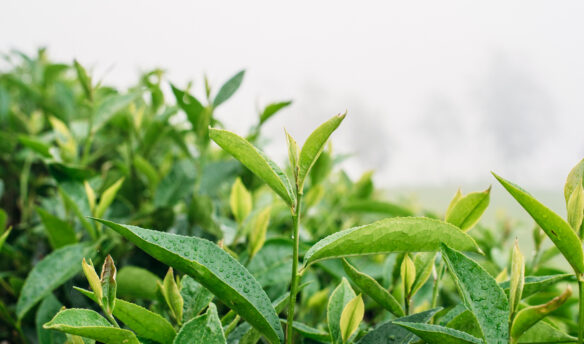
In the Himalayan foothills of eastern Nepal sits Ilam, the largest orthodox (loose-leaf) tea-producing district in the country. A short 46-mile drive from India’s Darjeeling district, the two regions share a similar climate optimal for tea farming: misty mornings, cooler temperatures, and thin air that slows leaf growth.
Despite the similar climate, the tea industries in these neighboring countries look very different. Ilam’s tea is overwhelmingly grown by smallholders on 1–2 acres of land and is little known abroad; in Darjeeling, more than 87 tea estates produce tea protected under a Geographical Indication (GI). The GI designation means only tea grown in the Darjeeling region can be labeled “Darjeeling Tea.” Ilam’s tea has no such protection, so the neighboring Nepali farmers miss out on the premium price that comes with name recognition.
However, a different story is beginning in Ilam: specialty teas. Made in small batches from specific cultivars and selective leaf-picking (the bud and two youngest leaves only), these teas carry distinct flavor notes that change with the season.
Nepal’s tea industry dates back to 1863, when a Chinese emperor gifted tea seeds to Nepal’s prime minister. The seeds were planted in Ilam, home to Nepal’s first tea plantations, but the Rana regime’s autocratic rule kept the industry tightly controlled. After the regime fell in the 1950s, Nepal opened to the outside world, and in 1982 five districts—Jhapa, Ilam, Panchthar, Dhankuta, and Terhathum—were declared tea zones. Today, businesses and individuals are working to strengthen the identity of Ilam tea, from tastings at Western farmers markets to tea shops in Ilam.
Taking Ilam Tea Abroad
In Peterborough, Canada, Bhaskar Dahal founded Nepal Hills Tea in 2020. Every Saturday, he sets up a stall at the farmers market with thermoses of specialty tea from Ilam: oolong, black, white, and green. As customers approach, he offers tastings, telling them about the farmers who grow the tea and what makes it unique.
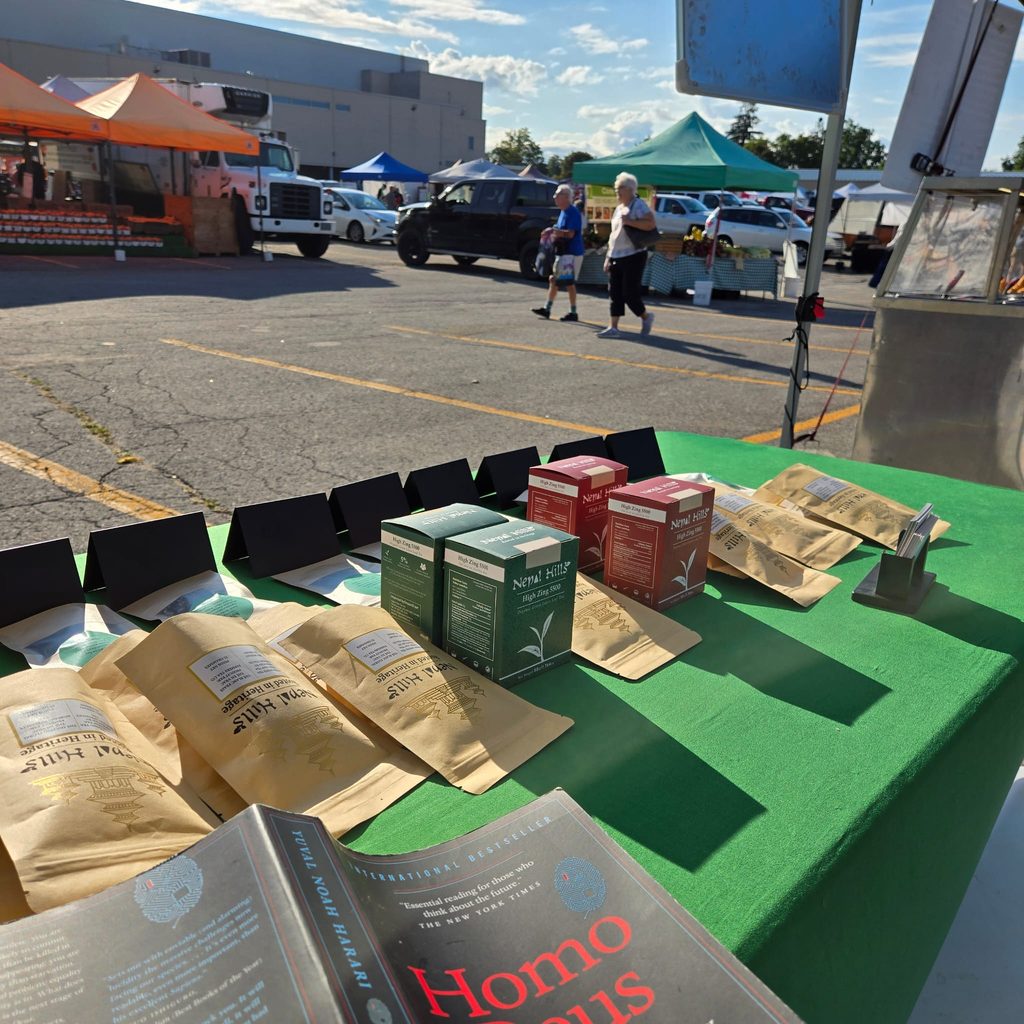
Dahal grew up in Ilam and moved to Canada in 2015. In the early 90s, he saw many smallholder farmers in Ilam, including his father, give up their wheat, potato, and ginger farmlands for tea. “Farmers in Darjeeling were making good money from growing tea,” says Dahal.
However, Ilam’s farmers planted tea with limited market knowledge. “They hadn’t considered how and where they’d sell tea,” he says. “Ilam’s tea farmers still rely on India to sell orthodox tea. We don’t have an alternative market as Nepal is a landlocked country.” More than 86% of Nepal’s tea exports go to India, according to an April 2026 press release from the National Tea and Coffee Development Board of Nepal.

In this process, “Nepal’s origin story—the one thing that differentiates Darjeeling and Ilam tea—is lost,” says Dahal, “the stories about the land ownership, the production and the earnings.”
“In Nepal, smallholder farmers produce tea in small batches, and the money from the tea production goes directly to them,” he says. “Whereas in Darjeeling, land is owned by the estates that produce commercially, and tea pickers get wages.”
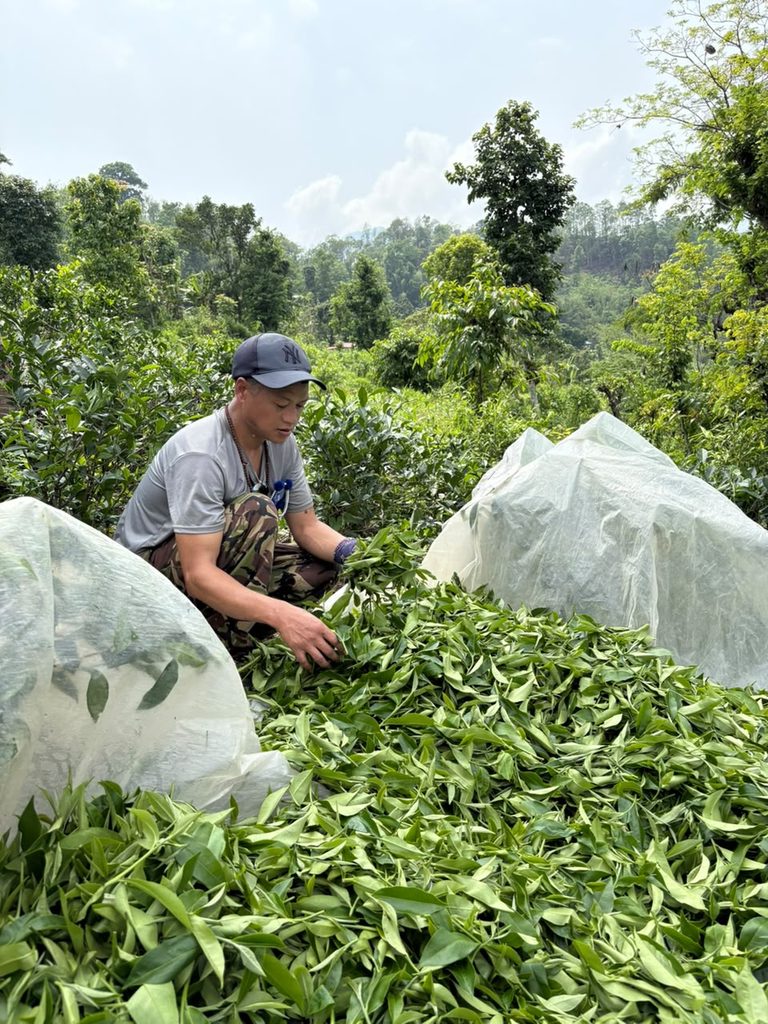
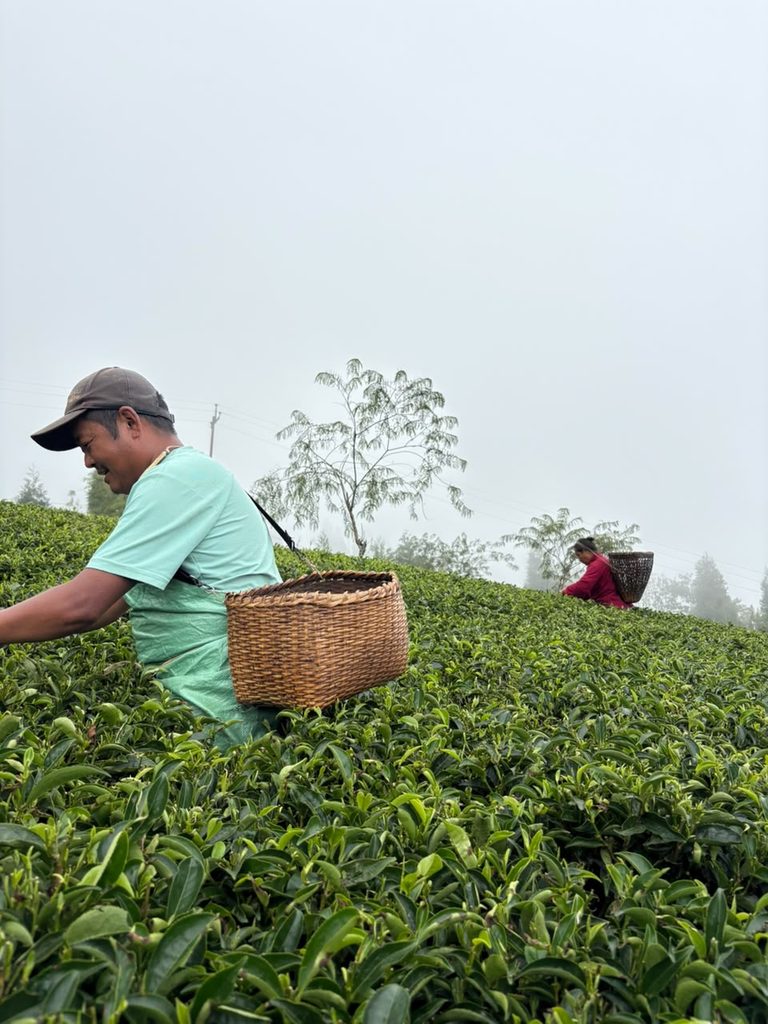
For Dahal, starting his tea business was an obvious solution to two problems: he couldn’t find Ilam tea in Canada, and he wanted to support the smallholders who couldn’t sell their tea during the pandemic. “It was pure nostalgia,” he says. “When you immigrate, you carry your roots in your heart…It takes hundreds of people to brew a cup of tea. This was a way to give back something to the roots.”
He began selling specialty tea via e-commerce platforms and local grocery stores in Canada, but Dahal says he “had no idea who the consumers were.”
To find out, he went to them. Through tastings at tea festivals, private events with potential buyers, and the farmer’s market, Dahal began delivering an experience. He told the origin story and introduced specialty teas to new customers, “mainly Europeans,” he says. That made all the difference because “repeat buyers show up once in a few weeks.”
Dahal took Ilam’s tea to people abroad, but in Ilam, people from abroad come for the tea.
Strengthening the Story, One Cup at a Time
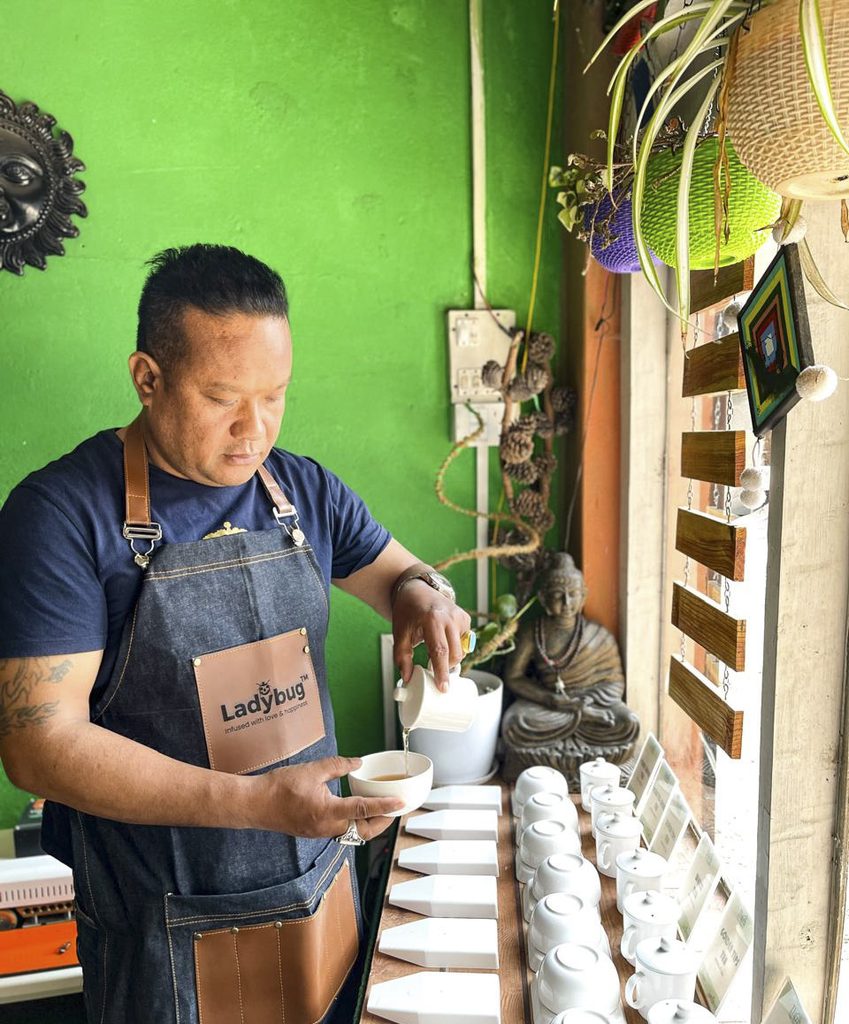
Hari Gurung opened Ilam Tea House in Ilam Bazar in 2010 to raise awareness about the region’s specialty teas. He wanted to create a space where people could taste local tea and learn about its process, profiles, and tasting notes.
“Ilam produces many expensive teas,” Gurung says. “The awareness level is low here. When people think of tea, it’s either black tea or milk tea. They don’t know that there are different varieties [available]… I felt that others also should know about this.”
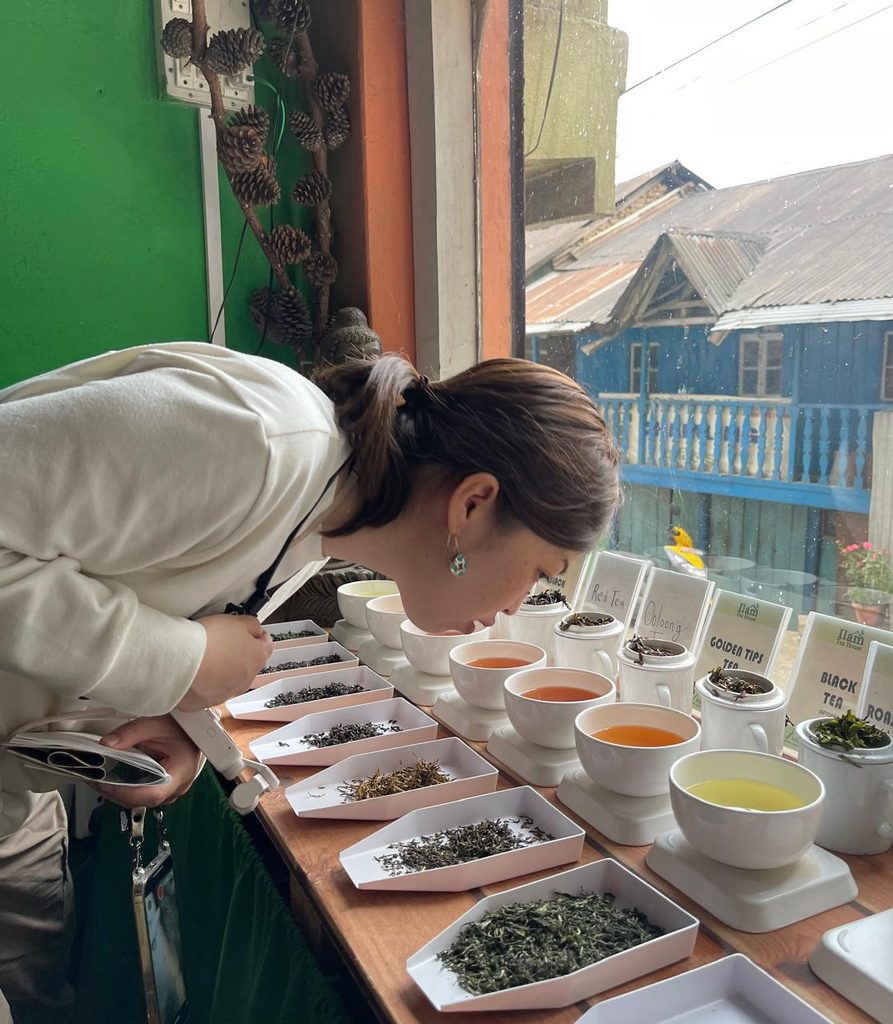
Ilam Tea House sells more than 30 varieties of seasonal specialty teas collected from farms across Ilam, Gurung says, including Golden Tips (black tea named after its golden buds), Silver Tips (white tea with buds covered in white hairs), and Roasted Green (a green tea that undergoes a special roasting process). Visitors to Ilam can stop by the tea house to taste “a minimum of 15 varieties,” Gurung says. On Instagram, these visitors share how they’re discovering the art of tea and learning about the techniques required to make it.
Also in the Ilam district is Jasbire Tea House, a shop that offers specialty tea tastings and informational talks to curious guests. Grishma Subba, owner of both the tea house and of Jasbire Tea, says “are usually fascinated by the eclectic range of flavor notes [like honey, citrus, roasted nuts, cocoa] being preserved and illuminated from a single plant. Sometimes they don’t expect there to be another region producing quality teas near to Darjeeling.”
Combining Nepal’s growing coffee culture with a love for tea, Nepal Tea Collective (which has a tea bar in the U.S.) has also opened a cafe in the Ilam district in partnership with a Nepali coffee brand. Its menu features loose-leaf teas from across Nepal as well as tea mocktails, coffee, matcha, and cold brew.
The establishment and growth of these businesses forge a new path for Nepali tea: away from dependency on India for exports, and toward empowering knowledge of Nepali specialty teas.
“Today, Nepali tea makers design and craft specialty teas, attracting buyers globally,” says Karma Subba, son of Grishma Subba. “Tapping such diverse markets has also elevated Nepalese teas from ‘orthodox’ to ‘specialty’ in recent years.”
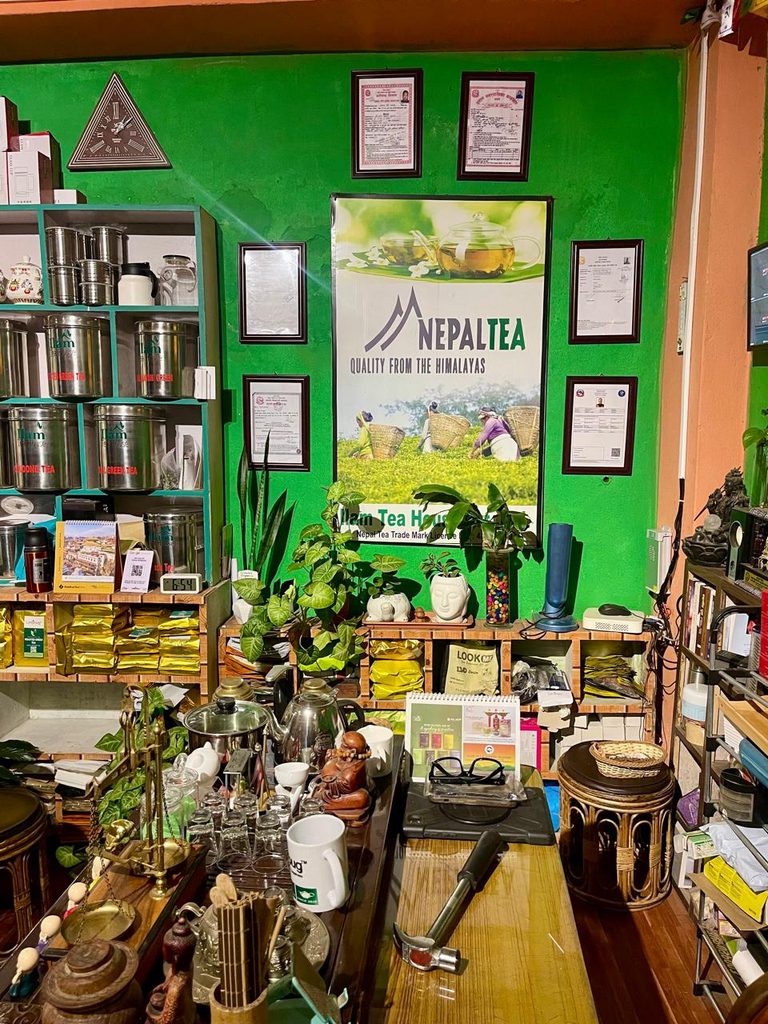
International awards speak for the quality of Ilam’s tea. Ilam’s white tea won the World’s Best Tea at the World Tea Expo 2024 held in the U.S., and at Australia’s Gold Leaf Award 2025, a specialty white tea from Ilam also took Gold.
These efforts help, but Karma Subba says Ilam tea needs something bigger: a Geographical Indication so that buyers know where their tea comes from. “It would make Ilam’s teas unique, bring more business to the region, [be] an improved income source, bring respect to the farmers and better their lives,” says Karma Subba.
Repeat customers may be the surest way to keep Ilam’s origin story alive. Each cup served delivers a unique experience that encompasses the origin, the farmers, the season, and the tea itself. Gurung ships his teas worldwide, yet he says his customers keep returning to Ilam “just for tea tasting and purchasing tea. They love the tea culture here.”
Some come for the brew itself. Gurung says, “Tea tasting is like an addiction…[people] want to see the leaves swirl during brew time when hot water is added … they want to see its infusion, which feels like meditation.”