✉️ This story was featured in this week’s Coffee News Club
👋 Get the Coffee News Club newsletter in your inbox weekly—sign up.
The day after U.S. President Donald Trump cut tariffs on imports from Brazil, coffee prices plunged. Arabica futures sank to two-month lows, Reuters reported, while robusta futures fell more than 10%.
But that doesn’t mean prices at the supermarket and cafe have come down yet—and they may not come down at all. In fact, they might keep rising.
That’s because retail prices have yet to catch up with the recent volatility in the coffee market (partially due to tariffs but also due to weather fluctuations and coffee shortages). Illycaffè CEO Cristina Scocchia said the Italian roasting giant plans to raise prices again in January, following an 8-10% price hike in 2025. “There is a limit to how much a company can absorb a level of green coffee price, which is so unhealthily high,” Scocchia told Bloomberg’s Mumbi Gitau.
Carlos Mera, an analyst at Rabobank, told Gitau that other major roasters will likely follow suit. Also, retail prices are prone to stick, even when the market cools off—as Cornell professor Alex Susskind told CNN in November, once retail prices go up, they tend not to come down.
Another reason some prices might remain high is that Brazilian instant coffee wasn’t granted a tariff exemption. The U.S. buys 20% of Brazil’s instant coffee exports, and suppliers worry that high costs will eat into their market share. “Once that market share and consumer loyalty are lost, future recovery will be an extremely difficult mission,” the Brazilian Instant Coffee Association said in a statement.
However, at least one major company is freezing its prices. J.M. Smucker, which sells Folgers among other brands, said it would absorb cost increases for now. The company has already raised prices twice this year.
Read more on the state of coffee prices from Bloomberg here or via Yahoo! Finance here.
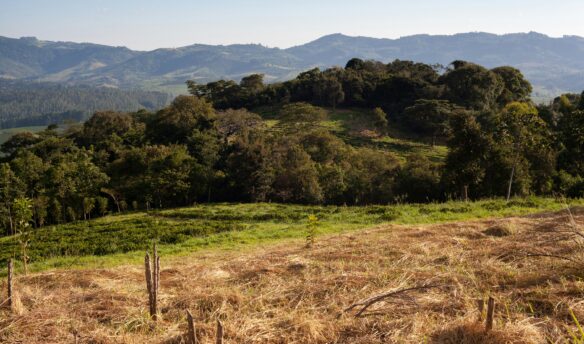
Photo by Demi DeHerrera on Unsplash