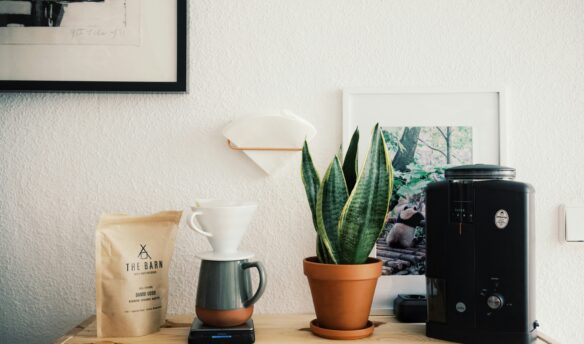
Coffee Is More Popular Than Ever, but More People Are Drinking at Home
A new report from the NCA finds that coffee is the most popular beverage in the United States, but that more people are making coffee at home.

Six Big Themes from World of Coffee in San Diego
Although soup lattes, stunning latte art, and the continued reign of oat milk captured our attention at World of Coffee, it was the spirit of camaraderie that united the event.
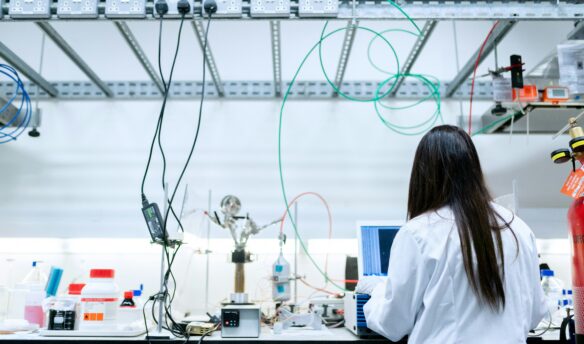
Scientists Combine X-Rays and Math to Produce the Perfect Espresso
Scientists investigated how various grind sizes can impact puck permeability (or how water moves through ground and tamped espresso) and extraction.

Philz Coffee Criticized by Employees, LGBTQ+ Leaders Over Decision to Remove Pride Flags
Philz Coffee, the San Francisco-based specialty chain, is removing Pride flags from all its stores.
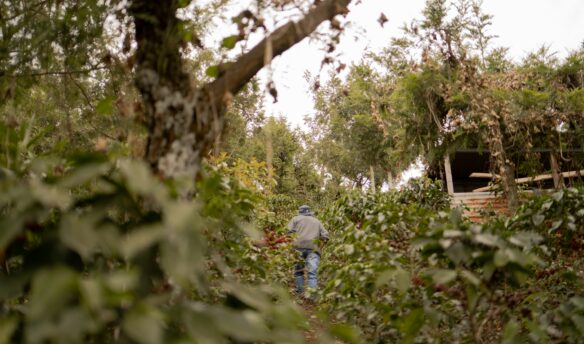
Report: 20% of Arabica Coffee Land Could Be Unsuitable for Farming by 2050
A new report forecasts that 20% of the land currently used to grow arabica coffee could become unsuitable for farming by 2050 due to climate change.

New Agreement Between 14 Large Coffee Companies Aims to Promote Equitable Sourcing
Last week, 14 of the largest coffee traders, roasters, and retailers announced they would adopt a new, more collaborative approach to coffee buying.

In U.S., More Cafes Adding Savory Flavors to Their Menus
Coffee shops have always experimented with seasonal ingredients and interesting flavors. But some are upping the ante by introducing umami to the conversation.

How To Have the Best Booth at Any Coffee Festival in 2026
In 2026, roasters are keeping the festival energy flowing with interactive booths, diverse beverage lineups, and a backup plan when overcaffeination hits.
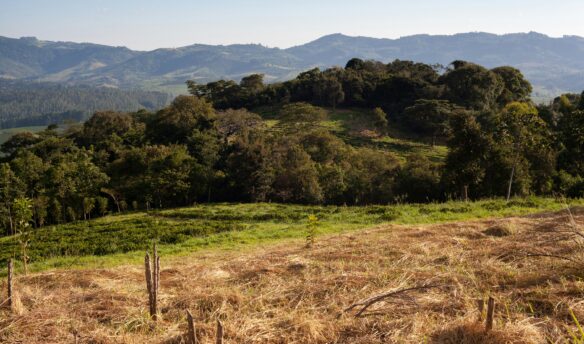
Study: Coffee Responsible for 1% of Agriculture-Driven Deforestation
While coffee growing does result in forest loss, a new study says coffee’s impact is relatively small compared to other agricultural commodities.
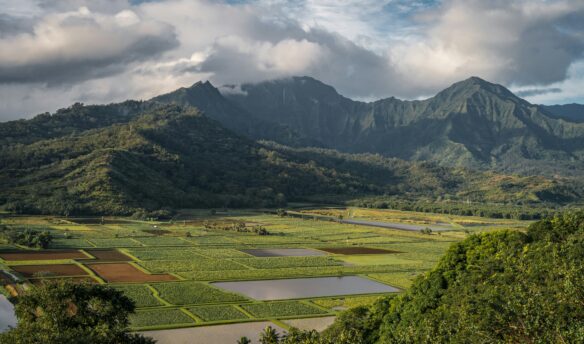
Storms in Hawaii Cause Significant Loss on Coffee Farms
In just 30 days, two fierce storms have pummeled Hawaii, severely impacting the state’s agricultural sector—including coffee farms.