This story was researched and written by Fresh Cup in partnership with our sponsor, Maya Tea.
Jim Sheehan makes his living roasting coffee. But one of the best-selling drinks at Wydaho Roasters doesn’t contain coffee at all. “Chai is probably our second-most-popular drink behind a regular latte,” he says. Matcha, meanwhile, ranks fourth.
In recent years, no matter where you are, matcha has been hard to miss. Dedicated matcha cafes have opened around the country, and the drink has become a fixture on coffee shop menus all over the world.
The rise of matcha could be due to growing demand for non-coffee drinks at cafes, which Sheehan says he has seen at his own shop. Wydaho Roasters is in Driggs, Idaho, whose large Latter-day Saint community typically avoids coffee. But Sheehan says that demand goes beyond his local market. “People are definitely looking for alternatives beyond espresso lattes,” he says.
At Cuppa More Pages, a coffee shop and book exchange in Inver Grove Heights, Minnesota, tea makes up 10 to 15% of orders. The chai latte is one of the shop’s most popular tea drinks. In the colder months, owner Cassie Stiles estimates that that number can climb as high as 17%, when customers order more hot tea and visit the shop later in the day.
One reason for tea lattes’ success is their range. They can span everything from longtime coffee shop staples like chai to matcha, London fogs, and golden milk. Matcha may get much of the attention today—but coffee shops still have plenty of room to explore the rest of the category.
Chai’s Staying Power
Even as matcha draws attention, chai continues to bring customers back. At The Stroll Cafe & Bakery in Pleasanton, California, owner Van Dang says chai has become a daily habit for some regulars. “We have people coming back every day just to have chai,” she says. Dang initially added tea lattes to give customers another option alongside the cafe’s house-roasted coffee, but they’ve developed an audience of their own. “There are people who just come for the tea,” she says. “They don’t want coffee.”


Dang first tried the chai she now serves at The Stroll while visiting another coffee shop. She asked the barista what they were using—it turned out to be Maya Tea’s Original Chai concentrate. Each serving uses one ounce of concentrate mixed with milk. Maya Tea’s recipe recommends it with 11 ounces of milk, served hot or over ice.
For Sheehan, using a concentrate was a practical decision. He regularly drank chai made with milk and fresh spices, and knew he wanted it on the menu at Wydaho. But he also knew he wouldn’t be able to recreate that process behind the bar. “I wasn’t going to grind my own spices and do it the traditional way, so I was going to use a concentrate,” he says. His staff taste-tested five concentrates before choosing Maya Tea’s Original Chai. The shop has since added the company’s spicy Devi Chai, which Sheehan says sells almost as well as the original.
For Stiles, chai’s staying power comes down to the drink itself. “It is the feel-good tea,” she says. “It’s just comforting.”
Getting Customers To Try Something New
Not every tea latte has chai’s built-in name recognition. Dang has seen that firsthand with the London fog. While the Earl Grey-based drink has appeared on cafe menus for years, it’s relatively new to The Stroll, which added it about three months ago. Customers often ask what it is before ordering. Dang describes it as citrusy and slightly tart, with milk rounding out the flavor.
For now, customers are more likely to try a London fog as a novelty than return for one regularly. Dang thinks that may change as more people become familiar with the drink. “It just takes time,” she says. “It’s more of a new trial for now.”
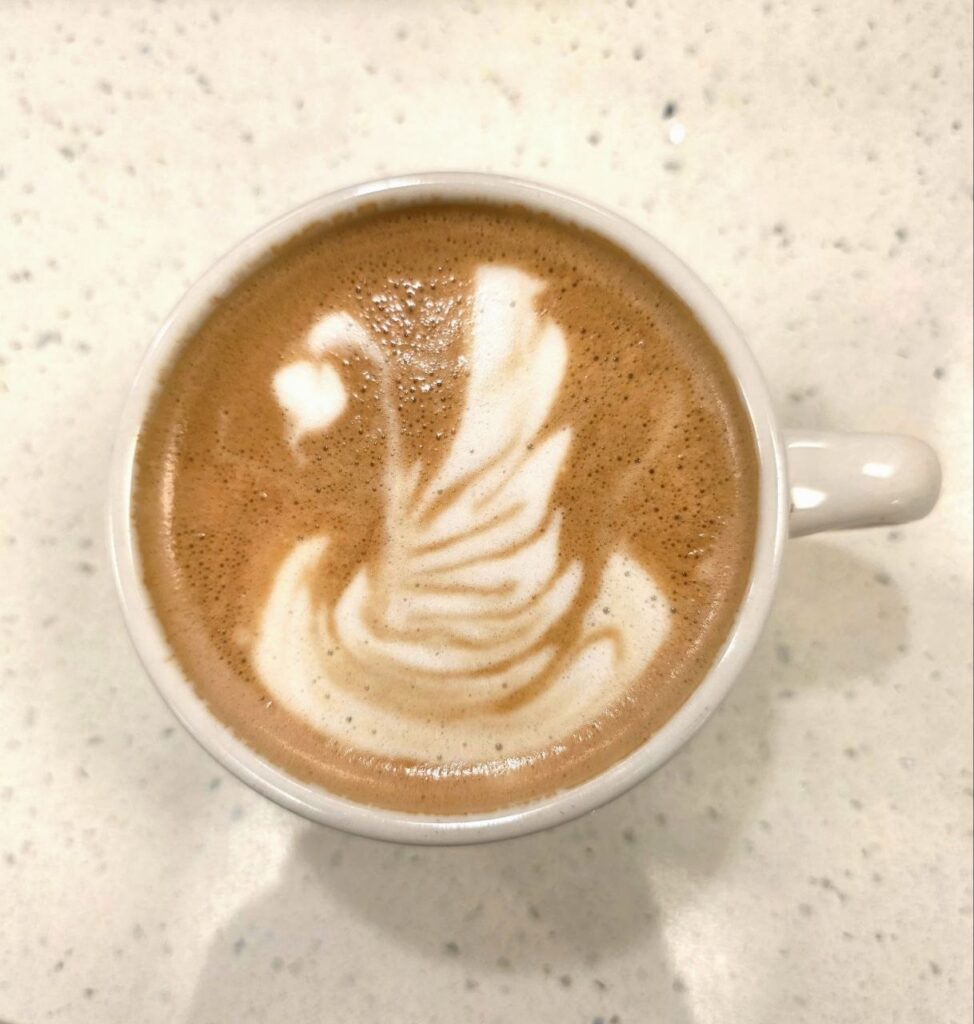
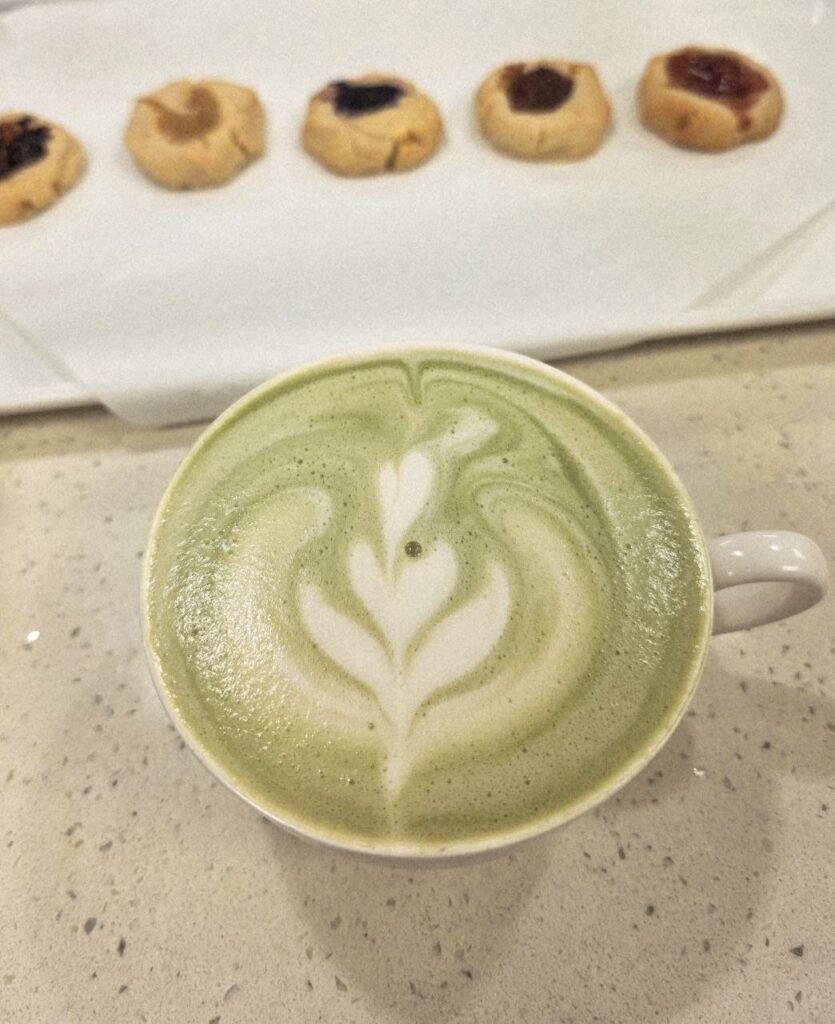
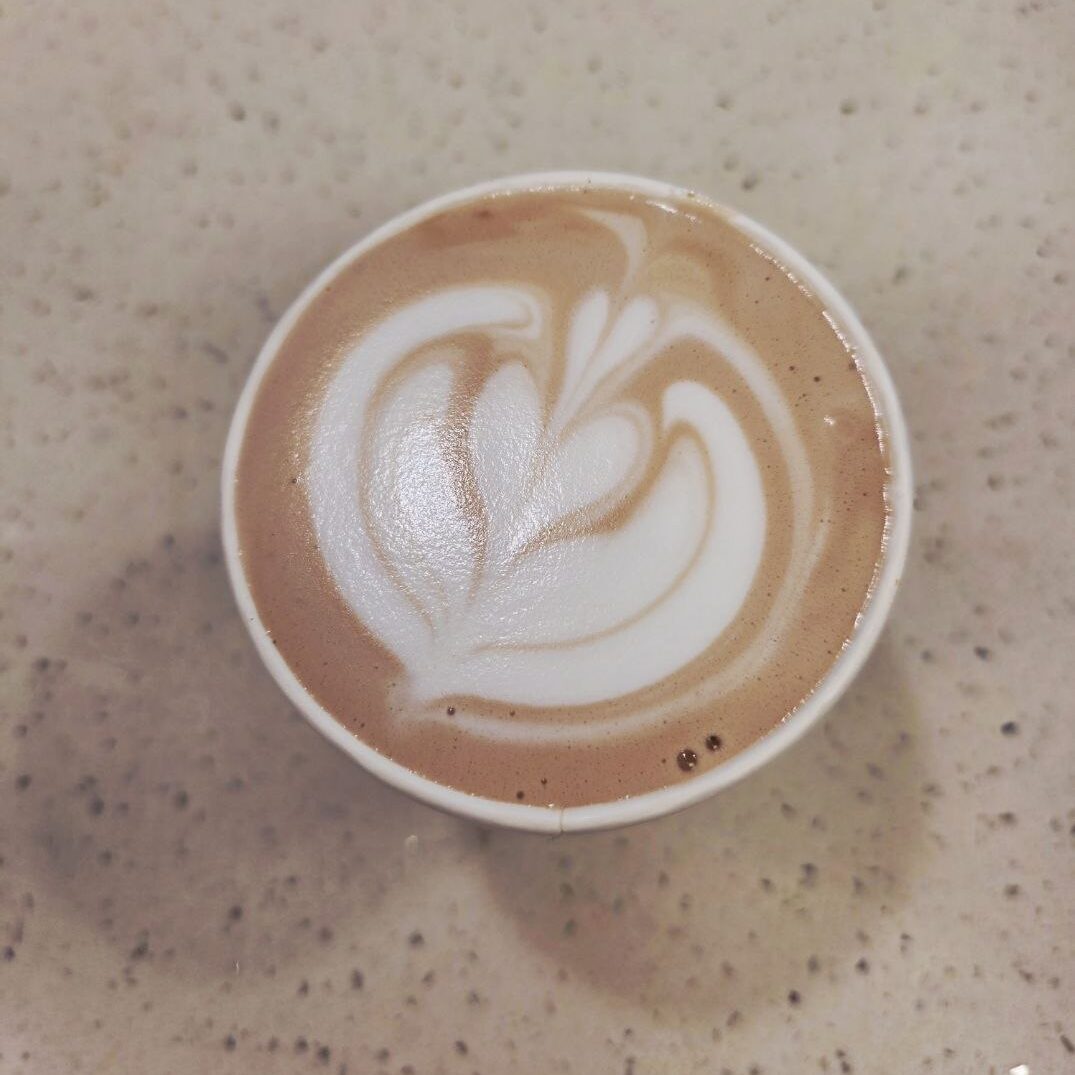
Cuppa More Pages sells more London fogs during the winter than in summer. Stiles suspects social media has introduced more customers to the drink, but her baristas still spend time explaining it. “Usually we can talk about it in such a way that it’s intriguing,” she says.
Stiles uses a ready-to-use chai concentrate, but brews each London fog with loose-leaf Earl Grey, adding steamed milk or serving it over ice. “We don’t have to doctor it too much,” she says.
At Willa Jean in New Orleans, general manager Lauren Tweedy recommends the turmeric latte to customers looking to branch out from coffee or matcha. Willa Jean makes the drink with Maya Tea’s Golden Milk Masala Powder, and the staff recommends pairing it with banana bread or a plain croissant. With “warm, aromatic spices and a comforting flavor,” Tweedy calls it an “easy introduction to the tea latte side of our menu.”
Willa Jean also recommends pastries to pair with all the shop’s tea lattes. Chai goes with a chocolate croissant, while London fog is paired with a house-made blueberry muffin.
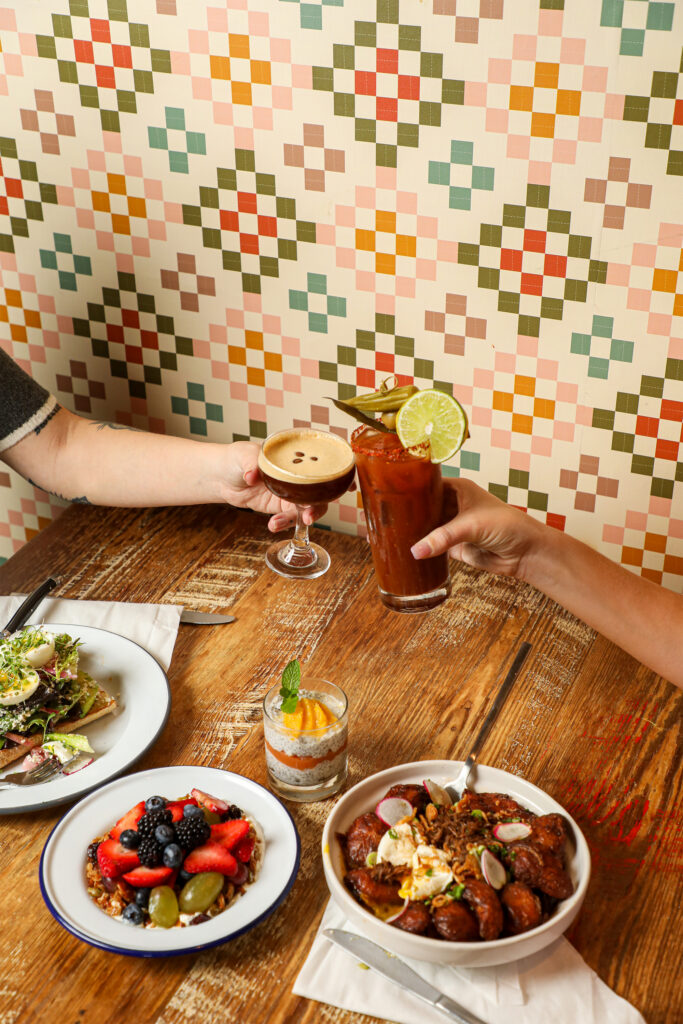

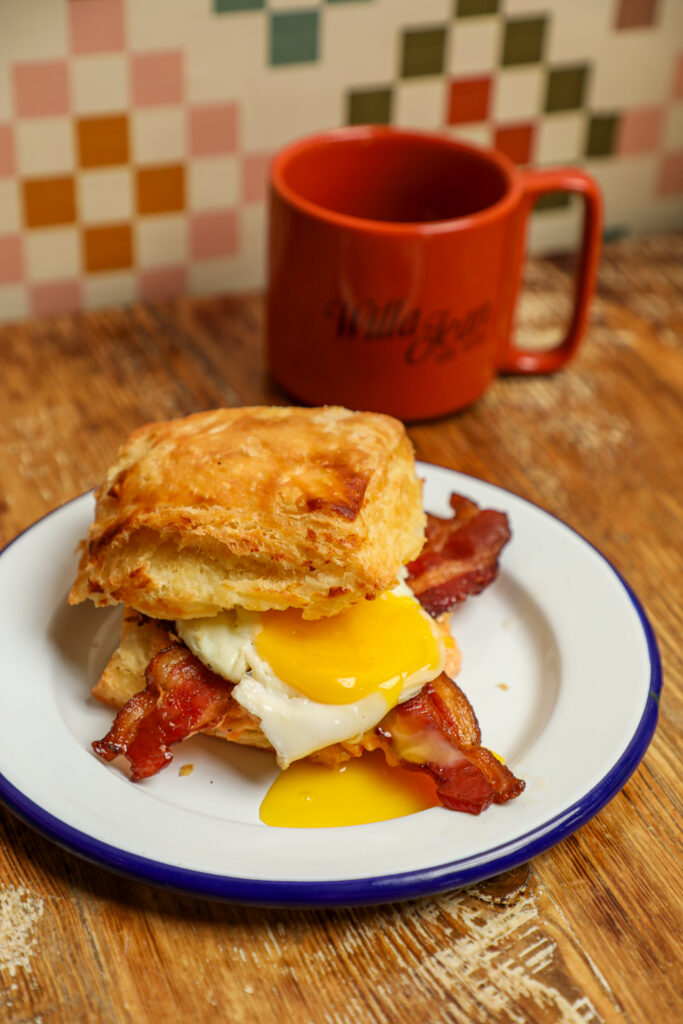
That versatility is part of the drinks’ appeal. “People appreciate having options, and tea lattes offer a gentler, more relaxed way to start the day while still feeling like a special treat,” Tweedy says. For coffee drinkers in particular, she adds, “they’re an easy way to branch out without stepping too far outside their comfort zone.”
Tea Lattes Leave Room for Experimentation
Sheehan uses the same Maya Tea turmeric concentrate in Wydaho Roasters’ golden milk, a turmeric-based drink made with milk, as well as several seasonal drinks. The Alpenglow is an iced summer drink that combines the turmeric concentrate with lemonade and huckleberry syrup, while the Solstice pairs it with unsweetened green tea and honey.
Wydaho changes its specials with the seasons, with summer drinks built around iced drinks. The shop promotes them on Instagram and on a large poster near the register, where they can catch customers who haven’t decided what to order. “You’d be surprised how many people get up to the register and don’t know what they’re getting yet,” Sheehan says.
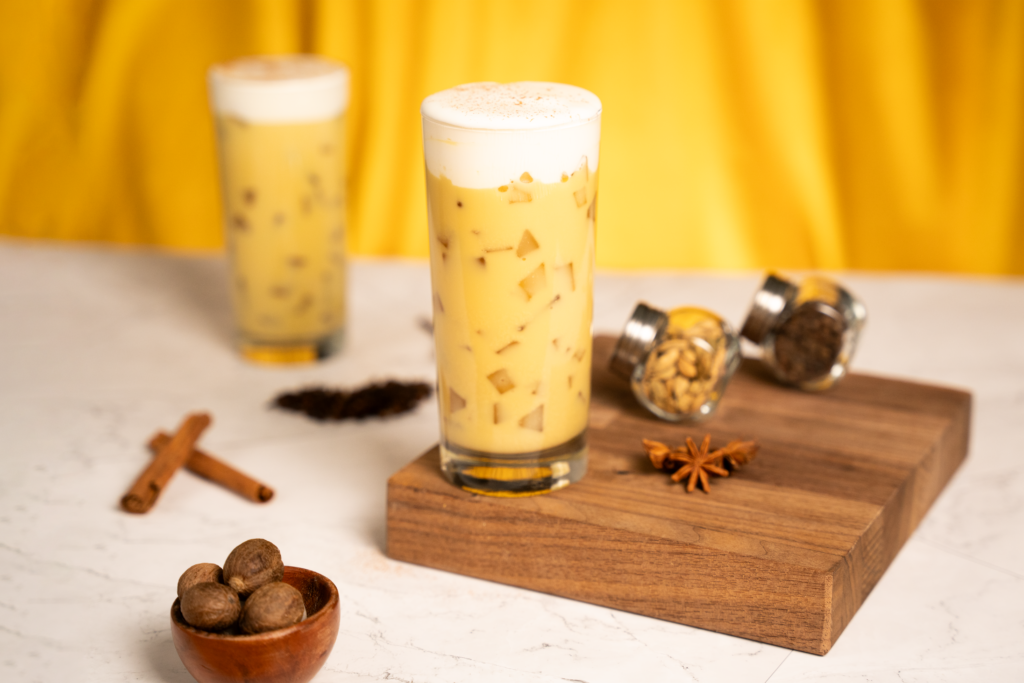
Baristas also recommend drinks to customers, giving Wydaho another way to introduce new combinations.
Stiles finds multiple uses for chai at Cuppa More Pages. A chai latte can become a dirty chai with espresso or a blended, frappe-style drink. Customers who know blended chai from larger chains are often surprised to find it at an independent shop, Stiles says.
Other ideas come directly from customers. One guest recently asked Stiles to brew Maya Tea’s Seven Seas, a minty herbal blend, in steamed lemonade and add local honey. Stiles agreed, with one condition: she got to taste it, too.
She liked the combination enough that she plans to add a steamed lemonade tea to an upcoming winter menu. And the next time a customer comes in with an idea, Stiles already knows her answer. “I’ll do it, but I have to try it too,” she says.

Sponsored by Maya Tea
Maya Tea is a tea maker that provides tea concentrates, loose leaf tea, energy mixers, and other beverage ingredients to coffee shops.