✉️ This story was featured in this week’s Coffee News Club
👋 Get the Coffee News Club newsletter in your inbox weekly—sign up.
For more than three decades, Mexico, the world’s ninth-largest coffee producer, has operated without a national governing body. The Mexican Coffee Institute (INMECAFE) was shut down in 1989, leaving producers to navigate the international coffee market on their own. Since then, cooperatives have worked to assist the country’s more than 500,000 coffee farmers with little help from successive governments.
That may now be beginning to change. Mexico has enacted new legislation that aims to formalize and expand its support for coffee producers.
The Sustainable Development of Coffee Farming Law is Mexico’s first legal framework covering the country’s coffee sector. It aims to set national standards across the industry and promote coffee quality and sustainability, particularly shade-grown and agroforestry farming systems.
According to Mexico Business News, the legislation aims to “reduce market imbalances by improving access to reliable information on prices, costs and markets, allowing producers to negotiate with greater transparency.”
The law establishes mechanisms like a Price Monitoring Committee that will publish reference prices for coffee at various stages, from coffee cherries to fully processed green beans. These references will help producers negotiate prices, whether they process the cherries themselves or sell freshly harvested cherries to an intermediary.
Other mechanisms created by the legislation include a National Commission for the Development of Coffee Farming and a National Coffee Farming Information System. The former, composed of producers, government officials, roasters, and other stakeholders, will help develop regulatory guidelines and public policies. The latter will centralize key agricultural and economic data, and give farmers access to financing, up-to-date climate conditions, and price information.

“This is the first time Mexico will have an integral legal framework for the entire coffee sector,” said Julio Berdegué, Minister of Agriculture and Rural Development. “At the end of the day, what we want is a fairer and more balanced market for coffee producers and for the entire value chain.”
Read the full story on Mexico’s new coffee law from Mexico Business News here.
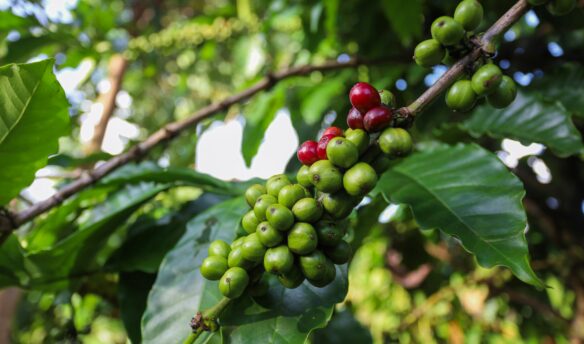
Photo by Dick Hoogerdijk on Unsplash