This article was researched and written by Fresh Cup in partnership with our sponsor, Maya Tea.
Tea refreshers are a staple on the menu at C.A.T. Cafe Bakery in Huntsville, Texas. Owner Cat McLean says the drinks now account for more than 30% of the shop’s drink sales, and have been made popular by visitors looking for non-coffee drinks.
“We get a lot of students coming in asking us if we do anything like the Starbucks Refreshers when the school year begins,” McLean says. Because the cafe is located near a college campus, it attracts waves of students, many of whom are looking for something other than traditional lattes and drip coffee.
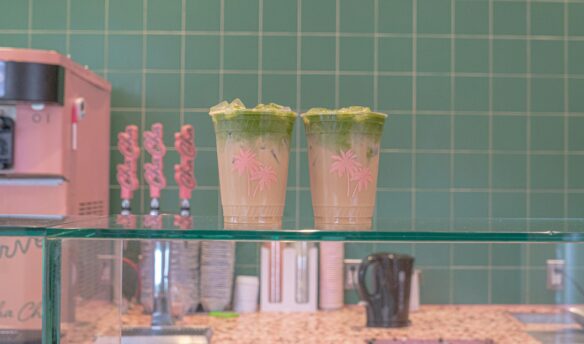
McLean says she’s able to convert many of those customers with C.A.T. Cafe’s own Refresher-style beverages. The fruit-forward iced drinks are made with tea, syrups, or sparkling water instead of coffee, and include flavors like Ginger Goddess Chai and Blueberry Matcha. “It’s like a wave,” McLean says. “Once we get one of our refreshers into their hands, they often tell us that ours are better.”
For C.A.T. Cafe Bakery—whose name stands for coffee, art, and tea—refreshers have become a way to turn first-time visitors into regulars. The drinks combine brewed tea with ingredients like fruit purees, citrus, herbs, or sparkling water to create bright, refreshing beverages that feel closer to craft drinks than typical iced tea.
Not every person walking into a coffee shop is looking for coffee, after all. For owners, finding ways to serve those customers without drifting away from what the shop does best can be a game-changer.
A Growing Share of Drink Sales
Tea is already widely consumed in the United States: According to Mintel, 83% of U.S. adults drink tea. Much of that demand comes from cold beverages. Innova Market Insights reports that the American iced tea market is three times the size of the hot tea market, with consumers under 45 driving much of the category’s growth.
Manish Shah, CEO of Maya Tea, says the trend toward cold beverages has helped expand the role of tea in coffee shops. “80% of all tea sold in this country is cold, so there is consistent interest,” he says.
For coffee shops, refreshers offer a way to reach those customers—and expand their drink menus—without drastically changing operations behind the bar.
As the category has grown, some coffee shops are even treating refreshers as year-round drinks. “While refreshers initially gained traction as a summer offering, we’ve seen them evolve into a year-round menu item,” Shah says. “Guests look for lighter, non-coffee options in all seasons, and refreshers meet that demand—especially when flavors are rotated to match the season.” Berry-flavored refreshers are typical in summer, while apple and cranberry are more common in fall and winter, Shah adds.
Adding Refreshers to the Bar
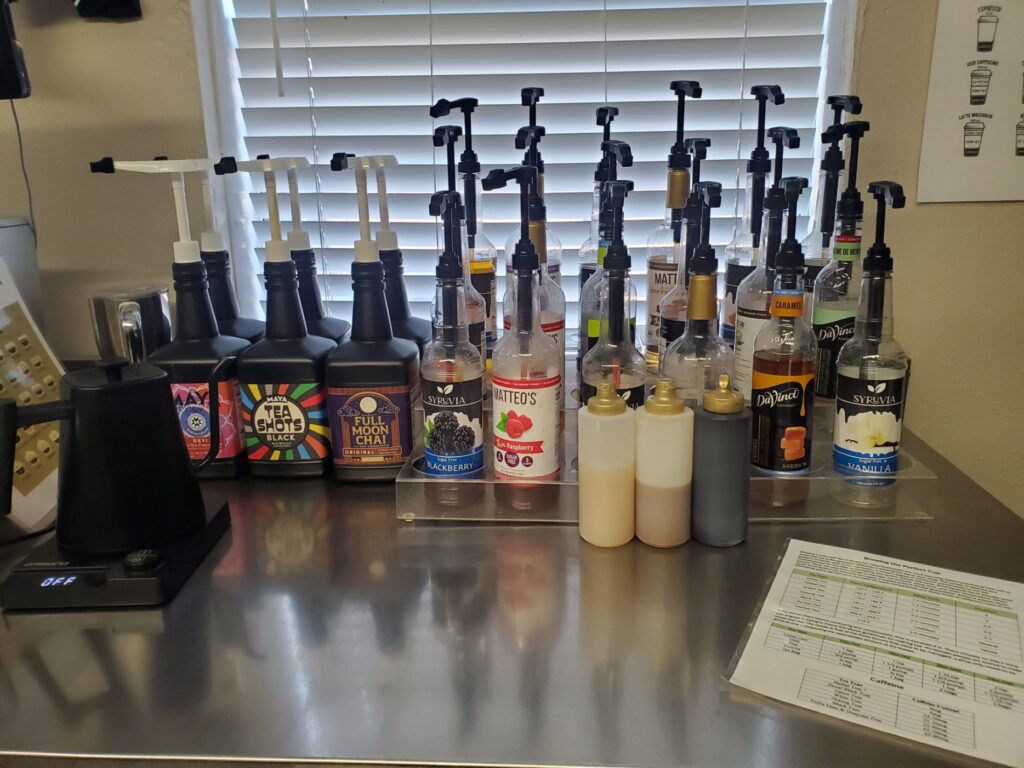
Refresher drinks may look elaborate, but McLean says they’re easy to work into the existing bar workflow. “They pull from the same syrups we use for our coffee, and the base tea or lemonade is stored right next to the syrups,” she explains.
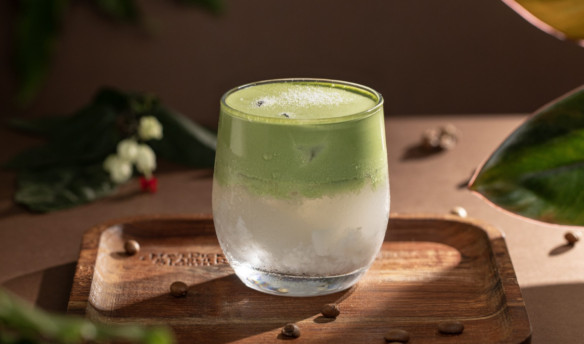
Most refreshers begin with flavored syrup and toppings such as popping pearls (small juice-filled boba) before the tea or lemonade base is added, plus ice and water to dilute. At C.A.T. Cafe, baristas finish some drinks with a color-changing butterfly pea flower blend that creates layered colors in the cup.
Some drinks rely on freshly brewed tea instead of concentrates. “While the tea is brewing, we start the drink cup with syrup, optional popping pearls, ice, and top off with the brewed, cooled tea,” McLean says.
Even with relatively simple prep, McLean says staff still need training to prepare tea refreshers consistently. “Our biggest issue is recipe control and tea steeping,” she says. “We sometimes have customers or new employees who don’t understand the steeping process and how important it is to correctly use temperature and time in each steep.”
To maintain consistency, McLean’s team relies on a mix of written recipes and hands-on training. Baristas have reference guides at the bar, such as steep time and temperature charts and a recipe box, while tools like timers and a temperature-controlled kettle help standardize preparation. “Without all of these, we could not consistently put out quality products,” she says.
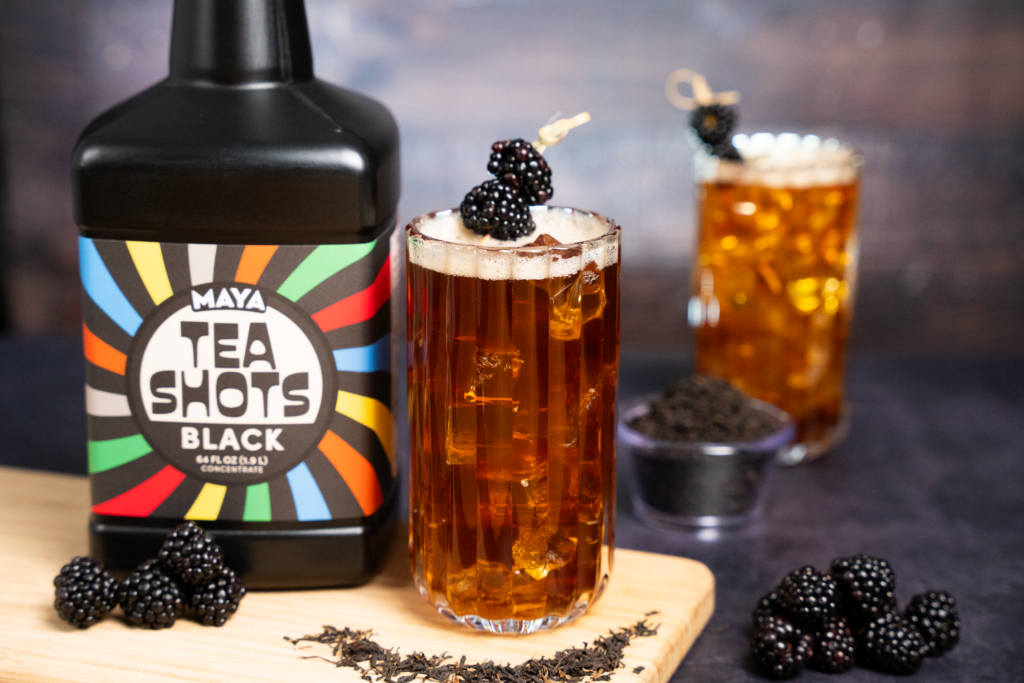
Shah says refreshers are cost-effective to produce and can be sold at a premium price point similar to specialty iced coffee drinks. “Because they often feature simple ingredients and require minimal preparation, shops enjoy strong profit margins and the ability to upsell with larger sizes or add-ons like boba or flavored foam,” he says.
Turning Refreshers Into Signature Drinks
While refreshers are simple to execute behind the bar, some businesses use them as an opportunity to experiment with new flavors and drink formats.
At C.A.T. Cafe Bakery, experimentation is a key part of how the team develops new refreshers. Some of the shop’s most popular drinks in the category include its Blueberry Matcha Latte, made with organic Japanese matcha and blueberry syrup, and the Full Moon Chai Latte, which uses a chai blend from Maya Tea. U.S. retail sales of matcha increased 86% between 2022 and 2025, according to market research firm NIQ, a sign of just how quickly customer demand for such drinks has accelerated.
McLean encourages cafe owners to approach the category with creativity. “We make over 100 hand-crafted beverages in the space of a 4-foot bar, with nearby shelves for supply storage,” she says. “Variety makes a difference and provides one more avenue to get your customers hooked on you.”
For shops that are new to refreshers, Shah recommends starting small. Adding just two or three refreshers that highlight seasonal flavors keeps prep simple and recipe training easy. Sparkling versions tend to perform particularly well, he says. “Don’t be afraid to rotate flavors to keep interest high year-round,” he adds.

Other coffee shops also use refresher-style drinks to add variety to their beverage menus. Michelle McGregor, owner of Craft Donuts & Coffee in Santa Fe, New Mexico, introduced refreshers as part of her shop’s seasonal beverage program.
“We offer three different refreshers, which we call Energy Spritzers,” she says. Seasonal drinks include Hibiscus Raspberry, made with hibiscus from Maya Tea, Strawberry Lavender, and Blackberry Peach. The drinks are made with flavored syrups and sparkling water to create bright, fruit-forward beverages.
“The Hibiscus Raspberry is the only one we use tea in. In all three drinks, we use Moxie, combined with all-natural syrups and seltzer water,” McGregor says. “We also offer a special Hibiscus and Strawberry Milk Tea with boba.” Moxie is a concentrated caffeine add-in from Maya Tea that can be mixed into drinks without changing the flavor.
Energy refreshers make up about 15% of Craft Donuts & Coffee’s non-coffee drink sales. “The non-energy ice teas we make from Maya make up about another 5%,” McGregor says. Currently, the shop’s most popular tea beverage is the chai latte made with Maya’s Devi Chai concentrate, followed by hibiscus, which appears in several drinks.
Together with tea refreshers, the drinks give customers more ways to order something other than coffee. Shah believes the category will continue to grow as customers explore new flavors and lower-caffeine options. “After 28 years in the business, we can see that tea is steadily moving from a secondary menu option to a core category in specialty coffee shops.”