Consumers are becoming more selective about the subscriptions they keep. A few dollars here and there can quickly add up, as streaming services, meal kits, fitness apps, and more pile onto monthly credit card statements. The average American spends more than $300 a month on subscriptions and memberships, but nearly half have canceled at least one service over the past year. As inflation continues to squeeze discretionary spending, many are asking a simple question about each recurring charge: Is it worth keeping?
Coffee is not immune to the subscription fatigue that many are feeling. Average monthly churn rates for consumer goods replenishments, like coffee, tend to run at 4–7%, with many cancellations occurring within the first one-to-three billing cycles.
This shift in consumer behavior is forcing coffee roasters and retailers to rethink what a subscription means for the customer. A market research report estimates there are 1,400 coffee subscription providers globally, with more than 740 operating in the U.S. alone. As coffee brands continue to build their businesses around recurring orders, they’re also facing a bigger challenge: keeping customers subscribed when every monthly charge is being scrutinized.
Experimenting With Membership Models
For the Philadelphia-headquartered La Colombe, that means thinking beyond the subscription itself. The company—which now operates cafes and ships products nationwide—introduced a membership program that complements its existing subscription service earlier this year. For an annual fee of $44, members get access to perks like free shipping, exclusive pricing on select products, cash back on purchases, early access to seasonal releases, and other loyalty perks.
Justin D’Agostino, senior director of direct-to-consumer operations at La Colombe, says that roughly 20% to 30% of its customers are active subscribers. However, the membership program is designed to strengthen relationships with loyal customers rather than simply increase recurring orders. Unlike a subscription that centers on repeat product deliveries, this membership model rewards customers across their broader relationship with the brand.
“I see subscriptions as a convenience tool, giving customers one less thing to think about by automatically replenishing their coffee,” D’Agostino says. Membership builds on that foundation by rewarding customers who continue choosing the brand over time.
“What we’re offering now with a membership is giving customers that extra [level of] hospitality,” he adds.

La Colombe is not the only coffee brand experimenting with ways to add value beyond the subscription. To retain customers, roasters are exploring flexible delivery options, member pricing, early access to limited releases, and other loyalty perks.
In Ontario, Canada, Hatch Coffee’s annual membership, Hatchlings, gives customers discounts on products and early access to limited coffees.
Bigger companies are also making similar moves. Earlier this year, Starbucks launched a three-tier rewards program with benefits ranging from a complimentary monthly beverage to premium perks, including the chance to win an all-inclusive trip. In India, Blue Tokai’s invite-only membership rewards regular customers with points that can be redeemed for food and beverages, brewing equipment, and merchandise.
Building Loyalty Beyond the Subscription Model
YES PLZ has built its business on a model that combines convenience with curation. Rather than asking customers to choose a coffee, the direct-to-consumer company selects and ships beans based on its own sourcing and roasting expertise. Subscriptions start at $22 per week, with customers choosing how often they receive fresh coffee, and delivery options available every week or every two, three, or four weeks.
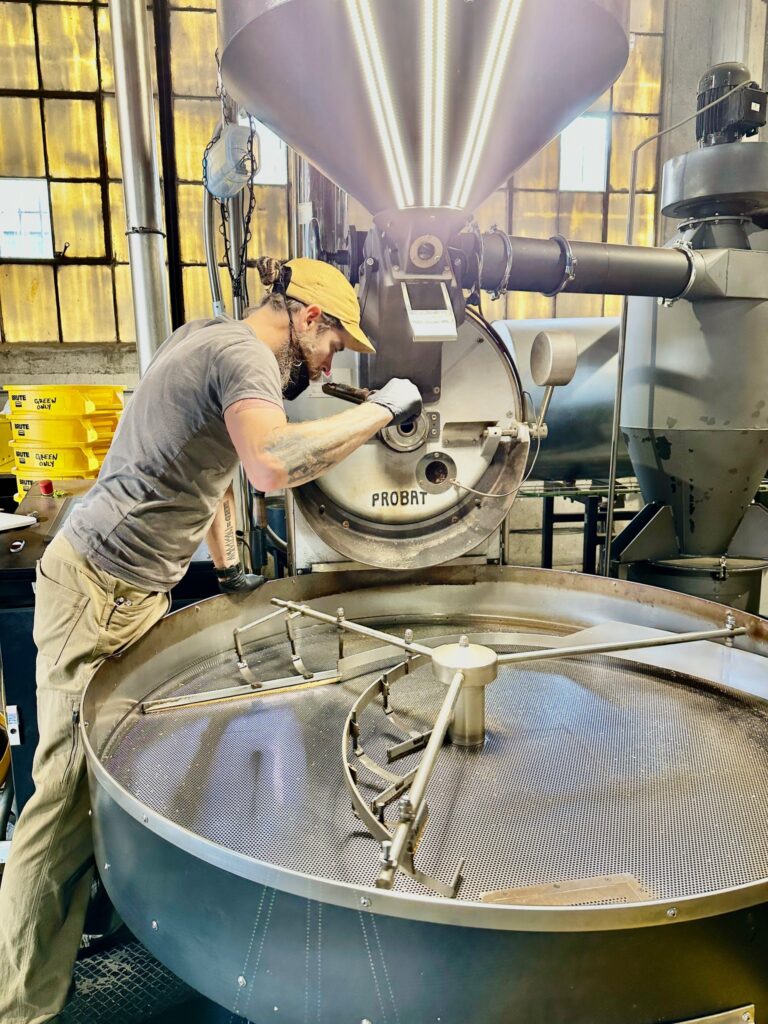
Co-founder Tony Konecny says the model works because it balances consistency with exploration.This has helped YES PLZ build customer loyalty, and subscriptions account for roughly 85% to 90% of the company’s business. “People want excellent coffee, but they don’t necessarily want to spend their weekends researching beans, processing methods, or adjusting recipes for every bag they buy,” he says.
YES PLZ’s subscription-first approach builds on Konecny’s long history with the model. In 2011, he co-founded Tonx, an early specialty coffee subscription service that shipped curated coffees to customers before the company was acquired by Blue Bottle Coffee in 2014.
That experience shaped how Konecny approaches subscriptions today, where the focus is not just on delivering coffee but on building a lasting relationship with customers. He says YES PLZ does things like add personal notes to each shipment and provide timely responses to emails when customers reach out with questions.
“I want people to feel like they can email us anytime,” Konecny says.
Through these exchanges with subscribers, the team has also learned more about their customers’ coffee brewing habits, preferences, and challenges. “I know more about how people are brewing coffee at home just from casual conversations, [rather than formal] surveys,” he says.
Konecny has found that customer behavior is often shaped by seasonal routines rather than a desire to abandon subscriptions altogether. The company typically sees a slowdown in January and February, followed by a boost during the back-to-school period in September.
At La Colombe, reducing churn starts with understanding why customers leave and using that feedback to improve the experience. When subscribers cancel, the company tracks the reasons behind the decision, whether it’s price, changing habits, or a discontinued roast.
D’Agostino says these conversations help the company understand what customers value and where it can improve the experience.
Why Value Matters More Than Price
While additional perks and customer engagement can help reduce churn, price remains one of the biggest tests for subscription businesses. Coffee prices have climbed in recent years as higher green coffee costs, supply chain pressures, and broader inflation have squeezed margins across the industry.
Last year, YES PLZ raised its subscription prices. Konecny says the company surveyed customers ahead of the increase, but “ultimately saw less resistance than expected.”
When customers do cancel, the reason is often financial. Some subscribers are simply looking to cut recurring expenses, much like they might with streaming services or other monthly bills. But he believes discounts alone are not a sustainable retention strategy.
Instead, the company focuses on creating value through the overall customer experience. YES PLZ’s newsletters combine coffee education and tasting notes, while its packaging carries the brand’s conversational tone.
At La Colombe, the focus is on making the subscription feel worthwhile as consumers become more cautious about spending. “We understand that our customers are feeling the pressures of the dollar,” D’Agostino says.
“We want to make sure that we’re going above and beyond within our means to give our customers the best possible experience.”