A Group in Ethiopia is Proving Regenerative Agriculture Works

by

Editorial Policy

Published on

✉️ This story was featured in this week’s Coffee News Club
👋 Get the Coffee News Club newsletter in your inbox weekly—sign up.

Last week, we told you about a new study from TechnoServe that found investing in regenerative agriculture can deliver multiple benefits—including increased crop yields, higher farmer incomes, and reduced carbon emissions.

In Ethiopia, a similar approach yielded positive results, Daniel Woods reports for Global Coffee Report. Over three years, the charity Farm Africa launched a program that reforested more than 5,000 acres of land, boosted household incomes by 45%, and increased coffee exports by 70%.

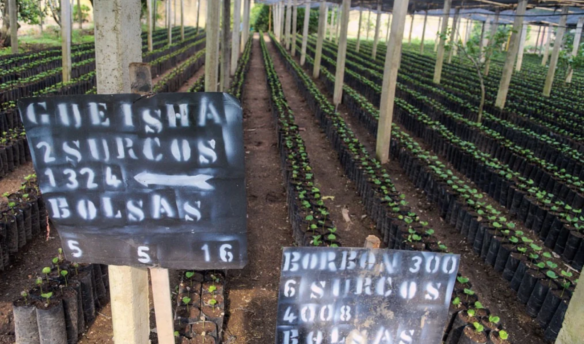
Farm Africa worked closely with government agencies and local Participatory Forest Management Cooperatives (PFMCs) to implement various initiatives in the Oromia region. PFMCs are organizations run by farmers that seek to proactively and sustainably manage the forests in their communities. Some of the initiatives included establishing local nurseries to help distribute seedlings for reforestation and repurposing waste products like coffee husks for vermicompost and stove briquettes.

By connecting with financial institutions, cooperatives also secured funding for processing equipment and marketing support. This resulted in more coffee reaching export quality and more than twice as much meeting specialty standards.

“The Forest Coffee project shows that protecting nature doesn’t have to mean sacrificing income,” said Mulugeta Tafesse of the Abdi Bori PFMC. “With ingenuity we can grow profitable new income streams rooted in production methods that restore and protect our ecosystems.” 

Read more from Global Coffee Report here.

Share This Article
Avatar photo

Fionn Pooler

Fionn Pooler is a coffee roaster and freelance writer currently based in the Scottish Highlands who has worked in the specialty coffee industry for over a decade. Since 2016 he has written the Pourover, a newsletter and blog that uses interviews and critical analysis to explore coffee’s place in the wider, changing world (and also yell at corporations).

Join 12,500+ coffee leaders and get top stories, deals, and other industry goodies in your inbox each week.

This field is for validation purposes and should be left unchanged.


Other Articles You May Like

ProfilePrint: Using Molecular Fingerprinting Technology in Coffee Sampling and Cupping

ProfilePrint’s coffee quality assessment tools use molecular fingerprinting technology to instantly predict SCA scores, flavor profiles, moisture levels, and more.
by Daniel Muraga | September 4, 2026

Almost Five Years After First Starbucks Unionized, Workers Call For Boycott

It has been almost five years since the first Starbucks location unionized in Buffalo, New York. Workers are calling for patrons to boycott the brand.
by Fionn Pooler | September 3, 2026

Climate Change Causing Destruction On Coffee Farms from Hawaiʻi to Indonesia

On August 15, Hurricane Lala struck Hawaiʻi. A strong El Niño and other climate change-related events could be part of the reason why weather patterns this year have been particularly harsh.
by Fionn Pooler | September 1, 2026

Researchers Ask—And May Have Answered—Why Coffee Shops Look the Same

Independent coffee shops often hang their hats on individuality. But recent research suggests social media and other cultural influences have created a monoculture aesthetic.
by Fionn Pooler | August 27, 2026