

Coffee Prices Up, People Switching to Home Brewing and Budget-Friendly Beans
Instead of cutting back on caffeine, people are shifting their habits by choosing budget-friendly chains, making coffee at home, or buying cheaper beans.

Nestlé May Sell Blue Bottle Coffee. What Does That Mean for the Chain’s Union?
In 2017, multinational conglomerate Nestlé bought the specialty chain Blue Bottle Coffee. Seven years later, workers unionized—but now Nestlé is considering selling the brand. What does that mean for its union?
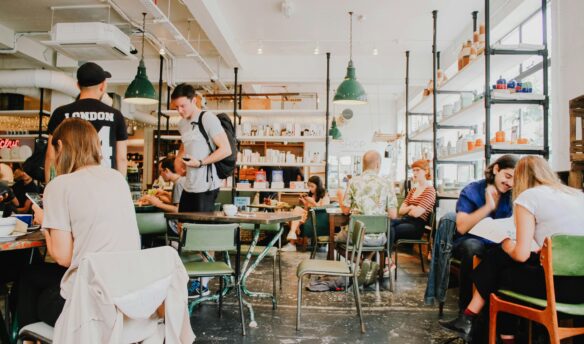
Groovy Goose Proves Local Shops Can Survive—and Thrive—Next to Starbucks
One coffee shop in a small town near San Francisco is thriving—with a Starbucks just 75 feet down the street and another two blocks away.

Coffee News Club: Week of December 15
Is a Starbucks down the street a death knell? Not always. Plus, multinational roasters are buying more sustainable coffee than ever before—here's the scoop for the week of Dec. 15.

Big Roasters Buying More Sustainable Coffee—But Who Defines Sustainable?
A new report found that 11 of the biggest coffee roasters are buying more sustainable coffee than ever. But who defines what sustainable means?

In New York, Scheduling Violations Cost Starbucks $35 Million
Starbucks will pay more than $35 million to thousands of its workers in New York City in a local labor law settlement.

Why Brazil’s Coffee Farmers are Switching from Arabica to Robusta
In Brazil, more and more farmers are turning to arabica’s hardier cousin, robusta. Robusta production has increased by 81% over the past 10 years.
Coffee News Club: Week of December 8
Click to find out why Starbucks workers may be entitled to compensation. Plus, is Nestlé selling Blue Bottle? Maybe!
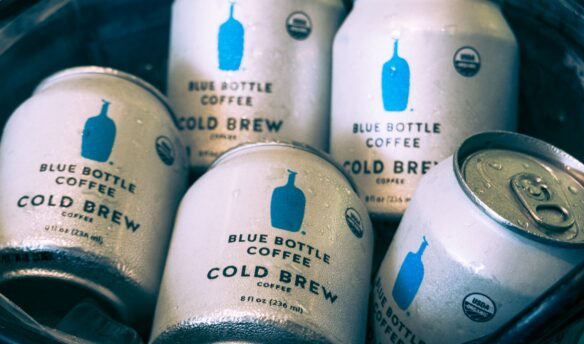
Nestlé Explores Selling Blue Bottle. One Option: Keep the IP, Sell the Stores, Source Says
Eight years after acquiring a majority stake in Blue Bottle Coffee, Nestlé is reportedly exploring a sale of the specialty coffee chain.

Faulty Maps May Hurt Farmers as Importers Work to Comply With EU Deforestation Law
As importers navigate new anti-deforestation laws, faulty maps are labeling coffee regions “high risk,” leaving farmers at risk of losing buyers.