✉️ This story was featured in this week’s Coffee News Club
👋 Get the Coffee News Club newsletter in your inbox weekly—sign up.
Retail coffee prices have been rising, prompting consumers to change how they drink coffee. But instead of cutting back on caffeine—perish the thought—people are shifting their habits and priorities. As Harry Black and Ilena Peng report for Bloomberg, some are choosing to visit more budget-friendly chains, make their coffee at home, or buy cheaper beans.
The commodity coffee price had been rising during 2024, but in 2025 it hit record highs due to climate impacts, lower inventory, and tariffs. Retail prices have gone up, too, as roasters and cafes passed on their increased costs to customers. U.S. grocery store coffee prices rose 21% in August compared to a year earlier, while the median price of a cup of coffee has climbed nearly 20% since 2023, according to data from point-of-sale provider Toast.
In an interview with Bloomberg TV, Kona Haque from the commodities trader EDF Man said that people “have not necessarily been cutting back coffee consumption.” Instead, they’ve been looking for cheaper options, or, as Haque put it, “trading down” to less expensive beans.
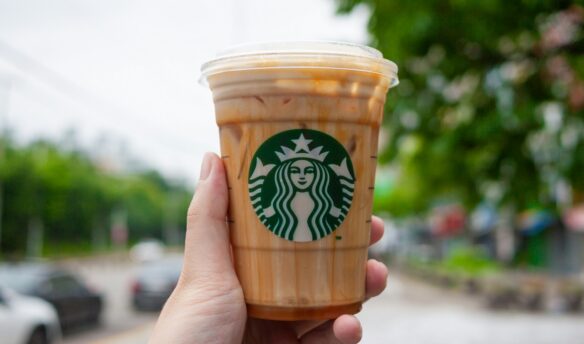
There’s data to back this up: RJ Hottovy, head of analytical research at Placer.ai, said that convenience stores and drive-thru chains like 7 Brew are seeing increased traffic, while established brands like Starbucks and Tim Hortons are struggling. A survey of international coffee consumers conducted in October found that 37% have started making coffee at home due to rising prices. Home coffee machine purchases in the U.K. rose 43% in November compared to a year earlier.
Despite tariff rollbacks, retail coffee prices are unlikely to fall anytime soon. In an interview with The Telegraph, Gerry Ford, founder of the U.K.-based chain Caffè Nero, said that even if the commodity price falls, most companies won’t lower their prices. “By and large, if costs come down, then [coffee shops] just won’t increase the prices for a longer length of time,” he said.
Read the full story on consumers’ changing coffee customs from Bloomberg here or via CNBCTV18 here.