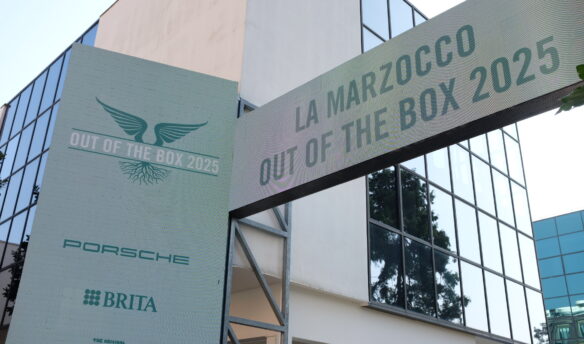
In 2026, the London Coffee Festival was bigger than ever. Already one of the largest coffee conventions in Europe, the festival clocked a record-breaking number of exhibitors this year (275, up from 260 in 2025). Once tallied, visitor numbers are also expected to top last year’s record of 22,000.
Alongside the resulting high-energy atmosphere, change was also in the air. Last year, I wrote that the festival presented “an industry that seemed determined to move forward, even while being keenly aware of the many overlapping challenges that it faced.”
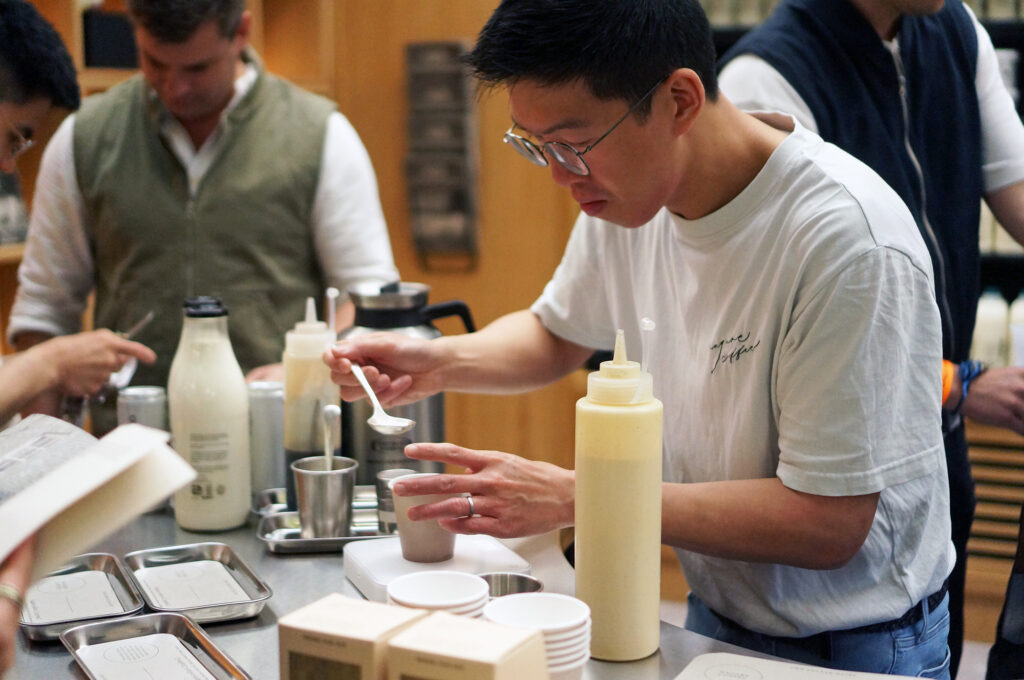
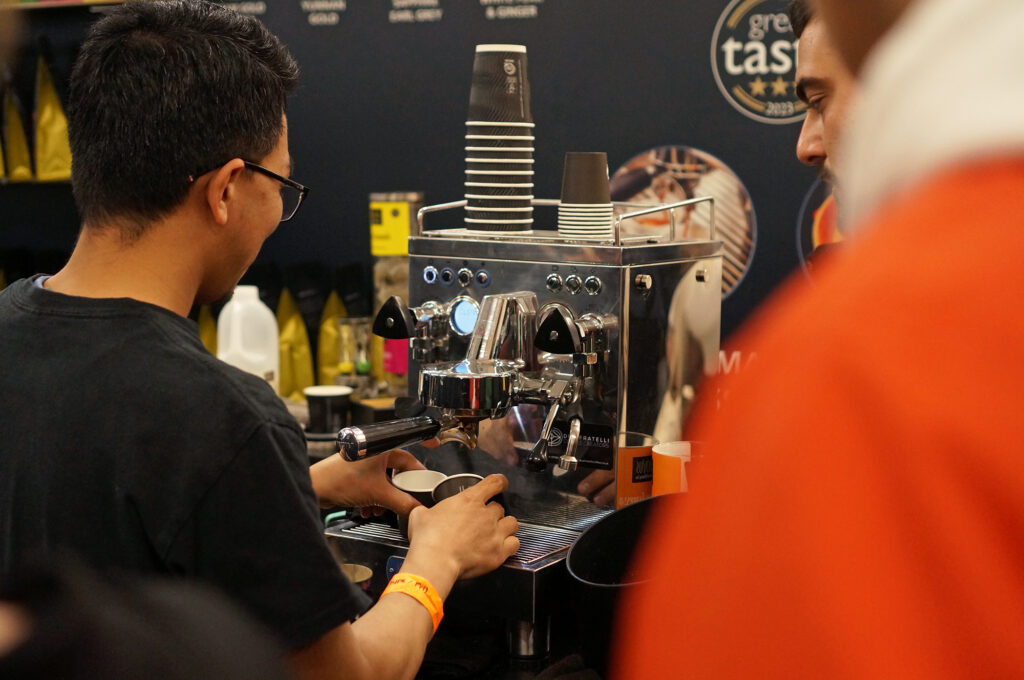
This year, it felt like 2025’s optimism had yielded to something steelier—an acceptance that the myriad challenges facing the coffee industry, from the environmental to the economic, are not going to yield anytime soon. In response, across talks and presentations, industry members expressed a hard-nosed determination to adapt and roll with the punches. Many beverage brands also struck a bolder pose to stand out—or sought new ways to stay lean and efficient.
Throughout the festival, I noticed five key themes show up again and again. Together, they tell the story of a coffee industry that is in the midst of a larger paradigm shift (if not a new wave)—and which is adapting to uncertainty as a new baseline.
1. Matcha’s Maturing—and Diversifying
After observing that matcha was inescapable at the 2025 London Coffee Festival, I wrote that we’d arrived at “peak matcha.” A year later, I stand by that statement—because for all that matcha still had a major presence in 2026, it no longer seemed quite so monolithic.
Some industry members have predicted that, as the market continues to evolve, matcha consumer culture will diverge in two directions: “highbrow specialization vs. lowbrow mass consumption, each priced accordingly,” as the U.K.-based Japanese food and drinks expert Tim Anderson wrote in a recent Pellicle Magazine story.
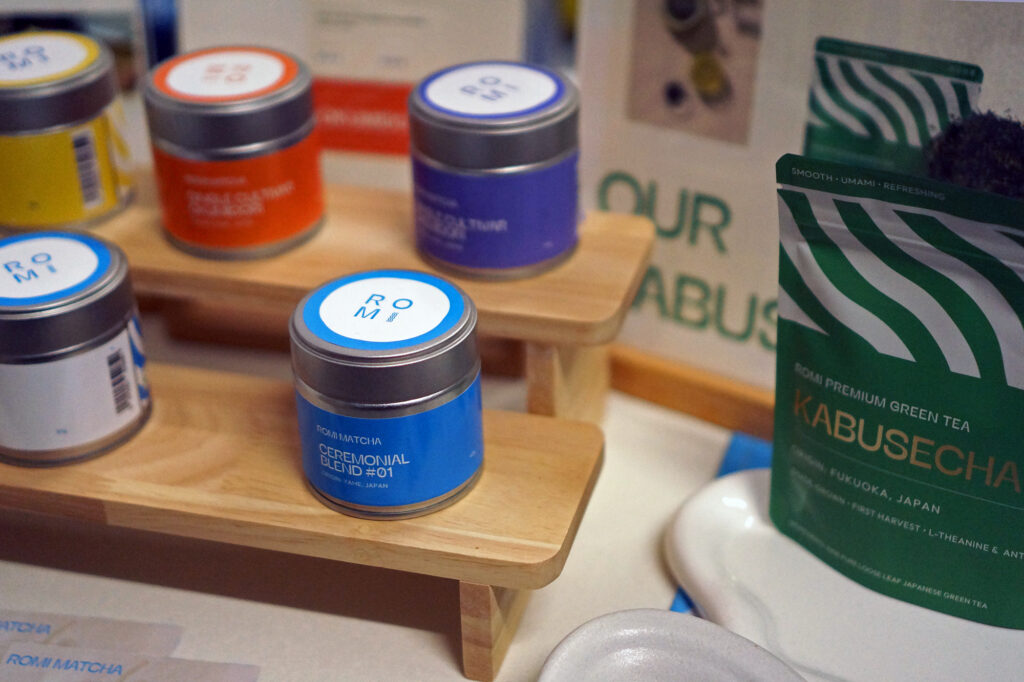
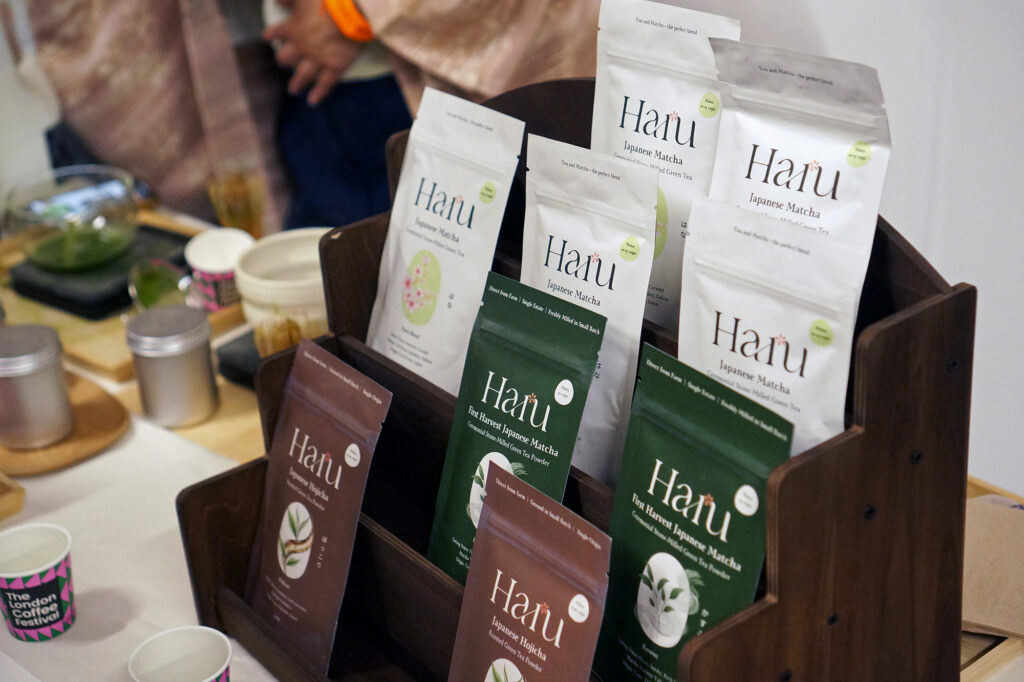
That tracks with what I observed at the festival. Matcha continued to be a popular component in a range of products and festival drinks. But this year, several premium matcha producers—including Romi Matcha and Haru—put greater emphasis on single-origin matchas, and communicated about specific growing regions, production methods, and flavor profiles. Sampling various matchas side by side made it easier to appreciate the subtleties underlying what can feel like an overexposed trend.
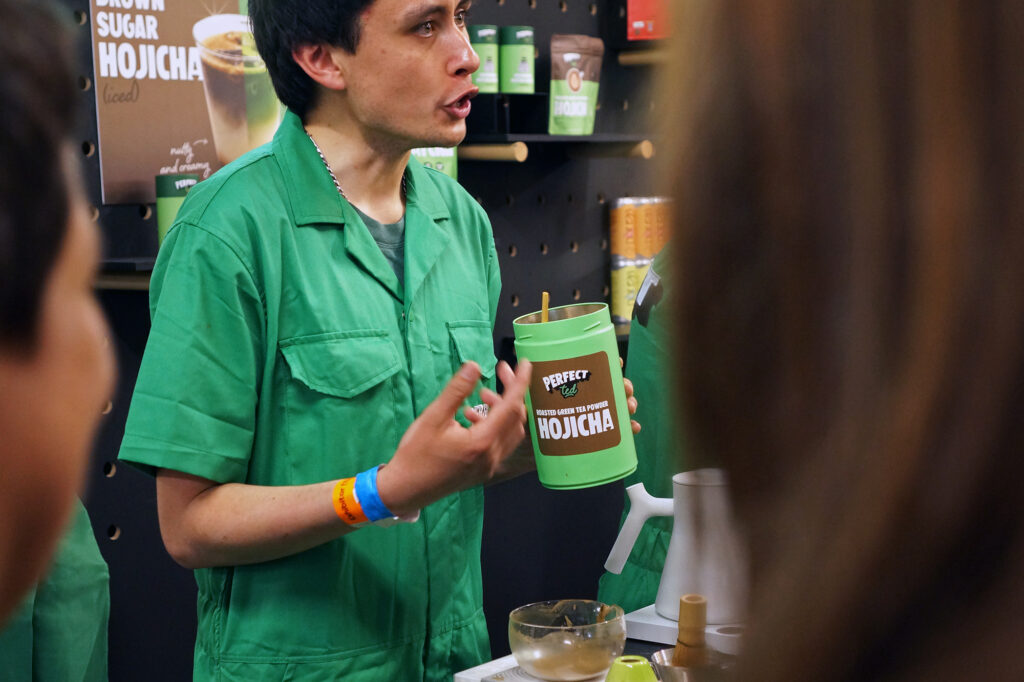
And matcha was no longer alone. This year, hojicha—the nutty, roasted Japanese green tea—had a much more visible presence at the festival, again in both specialty and mass-market contexts. For drinkers after something novel (and less caffeinated), it seemed poised to take off.
2. ‘Specialty’ Extends to Tea and Chocolate
It’s interesting that it’s taken so long for concepts like origin and terroir to be popularly applied to matcha, considering that specialty coffee already speaks that language fluently. But matcha wasn’t the only non-coffee product that stepped in to claim the “specialty” mantle at the 2026 London Coffee Festival.
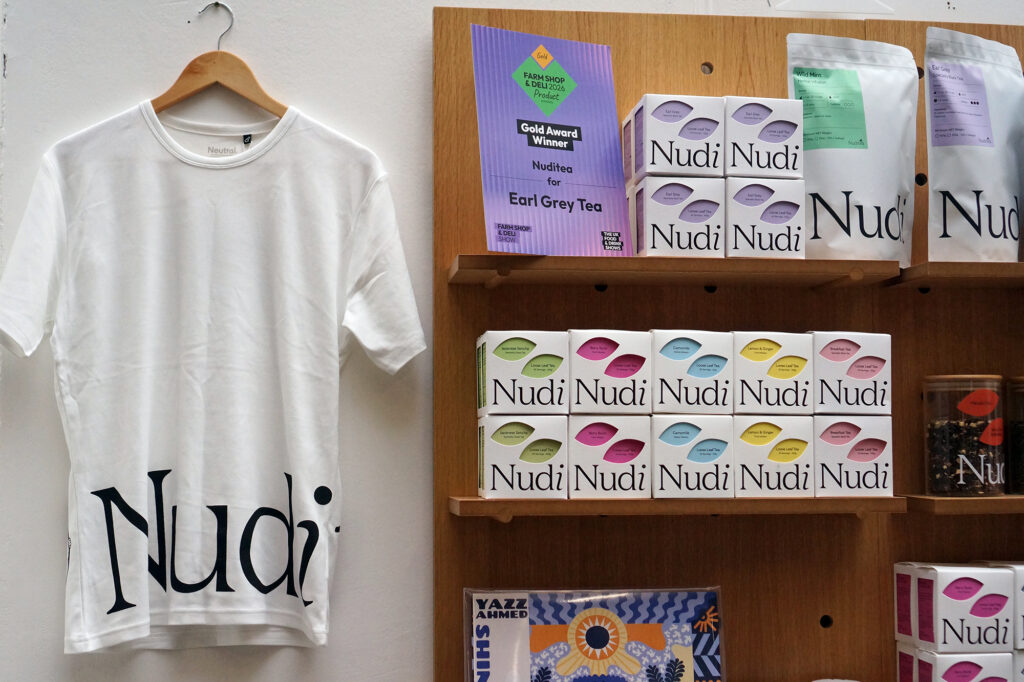
A number of tea producers at this year’s event leaned into premiumization and coffee-adjacent language. Nuditea, fresh off a rebrand, spoke of its “luxury,” “specialty” teas as thoughtful alternatives to the basic teas that many coffee shops still stock. Rebel Tea, which makes both iced tea and tea latte bases, promised to “give tea the glow-up it deserves,” complete with foam art and seasonal flavors. I even watched while staff at Novus Tea prepared rooibos lattes using an espresso machine.
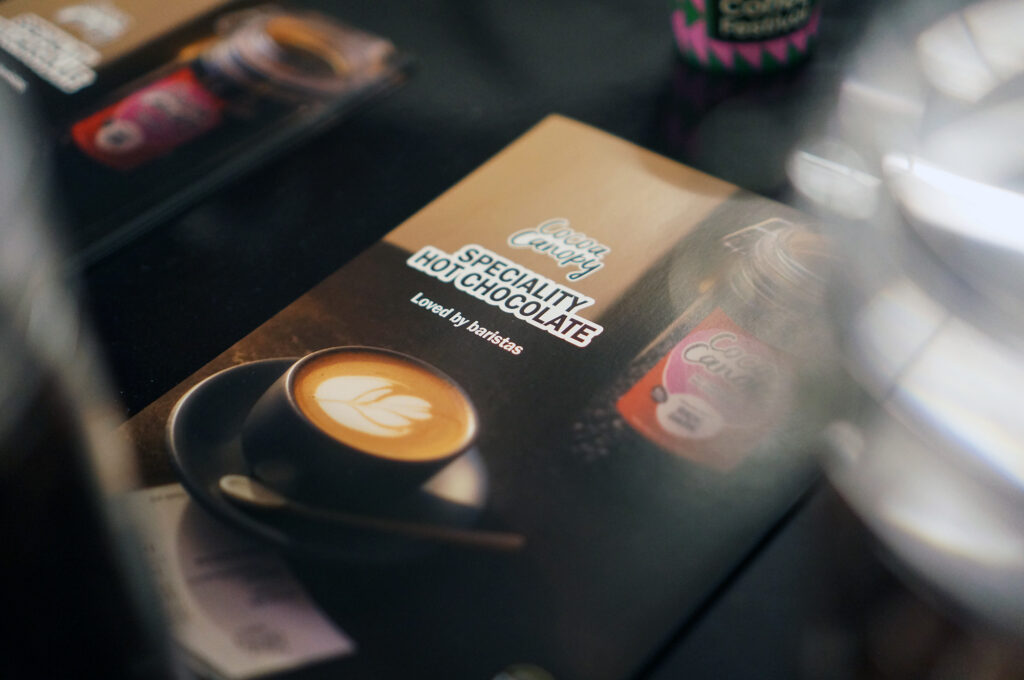
Chocolate, too, was just as often given the specialty gloss, including by brands like Cocoa Canopy, which sold “specialty hot chocolate melting beads,” and the responsible chocolate producer Juan Choconat, which promised “the best pairing for your specialty coffee.”
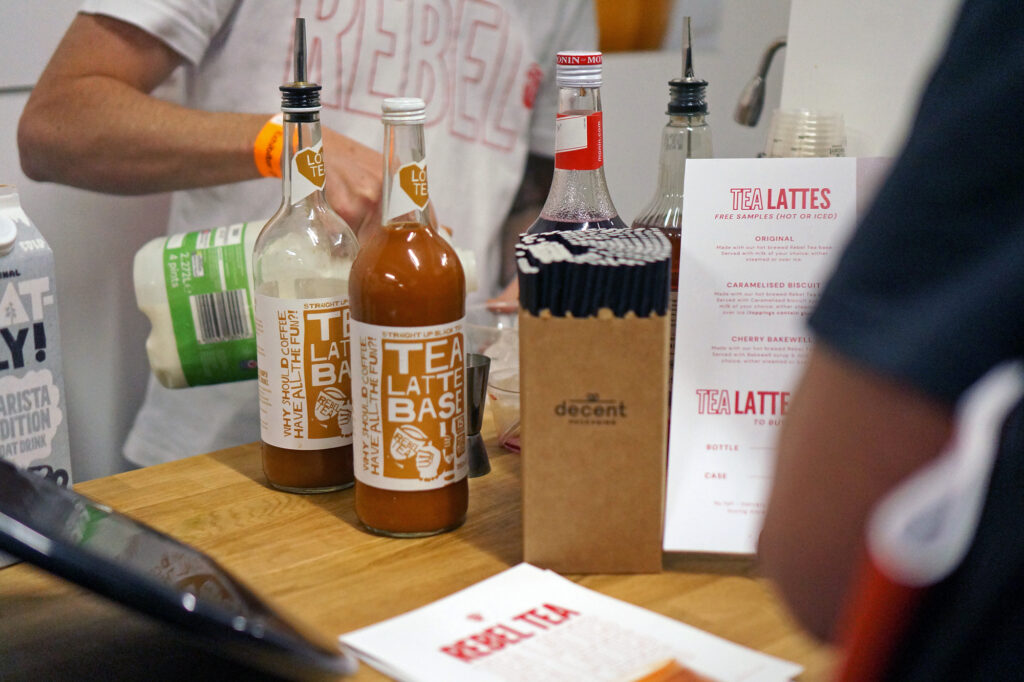
Of course, specialty is not a strictly defined quality metric, and its application across multiple categories felt, at times, tenuous. But it’s true that higher-quality tea and hot chocolate remain an untapped opportunity for many cafe operators—and that, for businesses that care about the quality of their coffee, it makes sense to extend that focus to everything else on the menu.
3. Coffee’s Premium Play = Baroque Serves and Maximalist Flavors
I attended a panel, “The Coffee Consumer of Today and Tomorrow,” hosted by Tom Price of market research firm Lumina Intelligence. Price noted that, amidst ongoing cost-of-living pressures, the pool of coffee consumers is decreasing—but those who remain are highly engaged.
They’re also looking for “value for money—more consumers are happy to pay more for quality, and use it to justify that extra spend,” he said. As a result, “Previously emerging trends about flavor and premiumization are now going mainstream.”
That translates to drinks that go well beyond straight coffee. Instead, these premium beverages are highly customizable, with components that consumers can choose to add or tweak at will. They are often multi-textural, featuring cold foam, dehydrated fruit, or boba. They’re also typically iced, brightly colored, and boldly flavored.
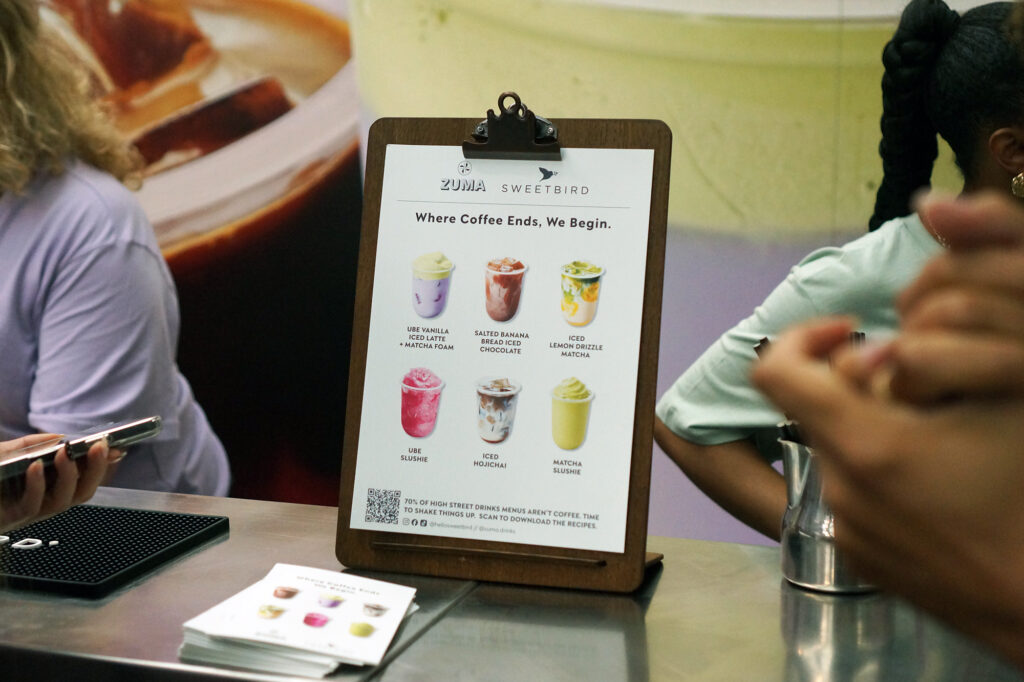
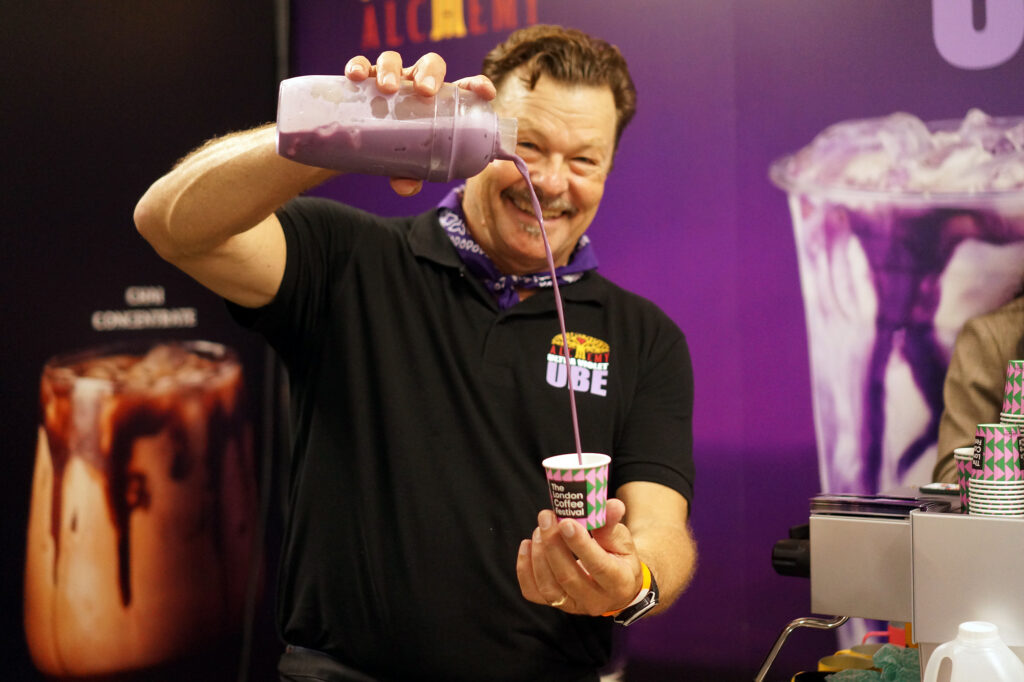
In some cases, they’re no longer coffee at all. I encountered many such drinks across the festival: Syrup company IBC Simply sampled ube iced matchas and lime & yuzu coolers, Blendsmiths served pink chai “clouds” with vanilla cold foam, and Zuma and Sweetbird—which noted that “where coffee ends, we begin”—poured salted banana bread iced chocolate.
For cafes, offering these “treat-led moments,” as Price put it, is becoming an ever more important way to attract customers. And right now, “treat” seems to translate to maximalist, rainbow-hued, dessert-like concoctions.
4. Everything Is a Co-Ferment Now
But bold, fruity flavors weren’t just left to the syrup companies and packaged brands. At this year’s event, they showed up in the coffees themselves.
While present last year, co-ferments were almost inescapable among the coffee roasters pouring at the 2026 London Coffee Festival. I tried a co-ferment made with coconut courtesy of Oddy Knocky, Catalyst’s Mango Slap, and a cherry co-ferment from Campbell & Syme. Ground State served co-ferments made with wild berries and melon, and Hermanos with red fruits. Dark Matter even poured a butter co-ferment.
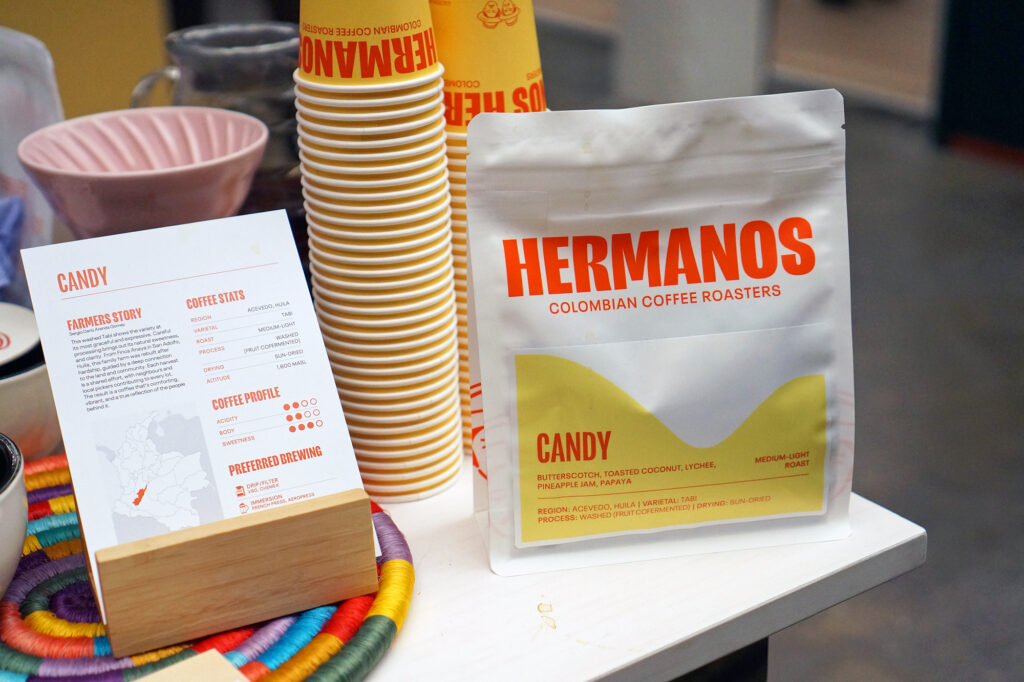
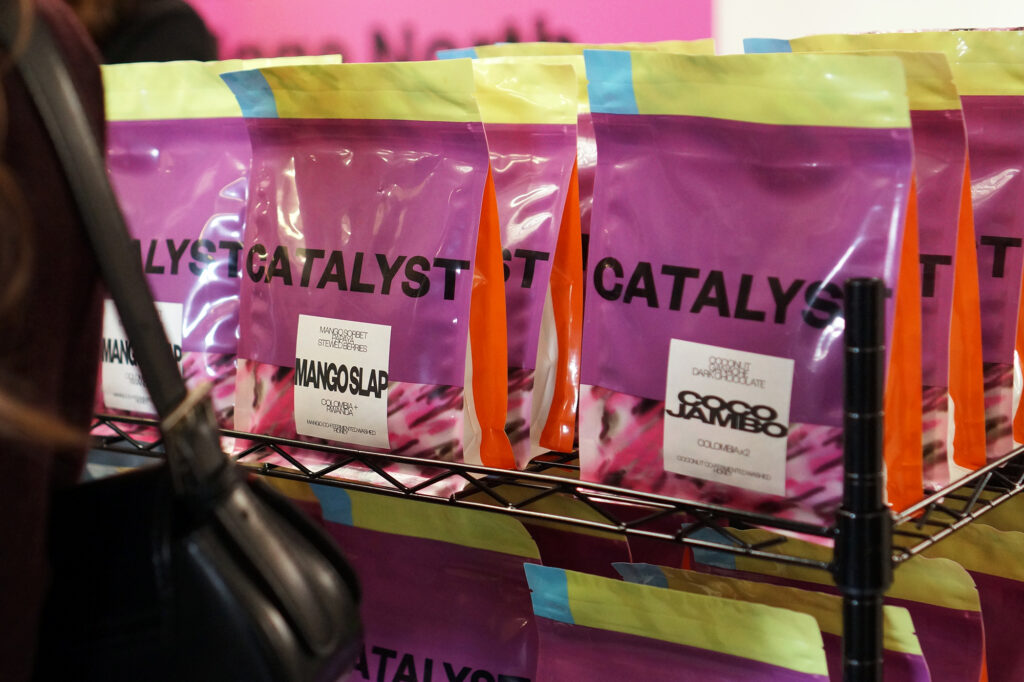
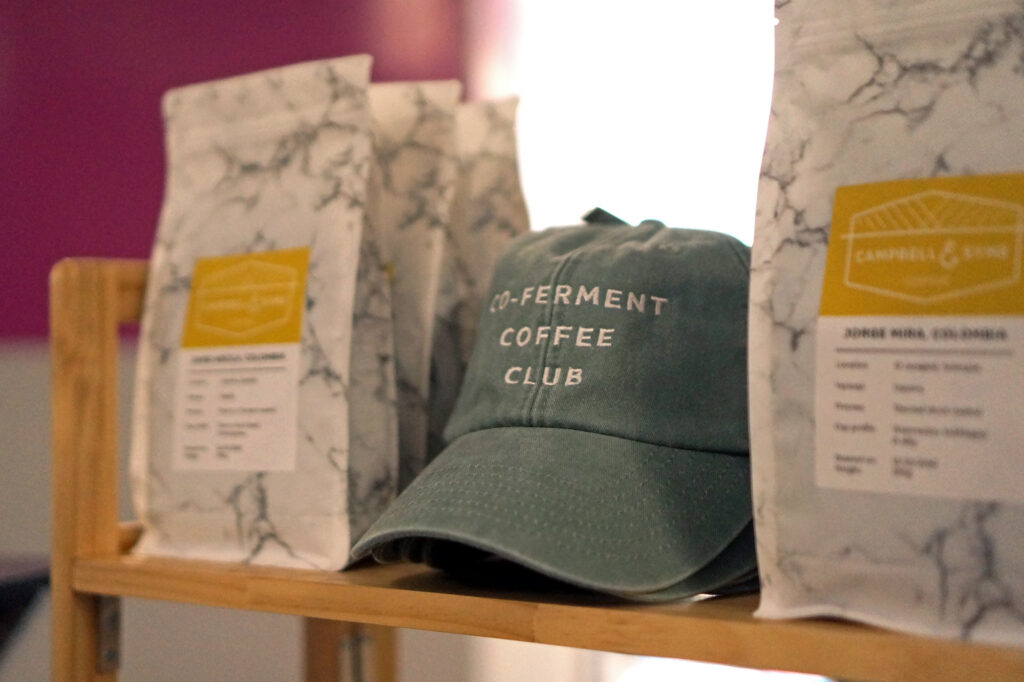
It was enjoyable and surprising to taste coffees with flavors I’d never before encountered in such a context. But as one of the staffers at the Oddy Knocky table lamented, it was hard for a classic washed coffee to stand out when festival attendees only seemed to want the most out-there flavors they could find.
5. Automation Is Getting Harder To Ignore
Underneath the ultra-bold coffees and premium drinks, many attendees fretted out loud about the challenges of operating during this painful economic moment. Numerous industry members spoke about the importance of streamlining workflows, and prioritizing efficiency behind the bar.
Perhaps unsurprisingly, automation soon crept into the conversation. Some operators cast automation as a way to enable handcrafted drinks and human service. Liam Clifford—the owner of South London’s Moonstruck Café—spoke during the festival’s “Ones to Watch 2026” panel discussion. He noted that the cafe’s equipment included some automated technology, such as a grind-by-weight grinder and a Puqpress automatic tamper. But “Watching the barista do their work is still very much the same—there are just a lot of things in there that help with speed and efficiency,” he said.
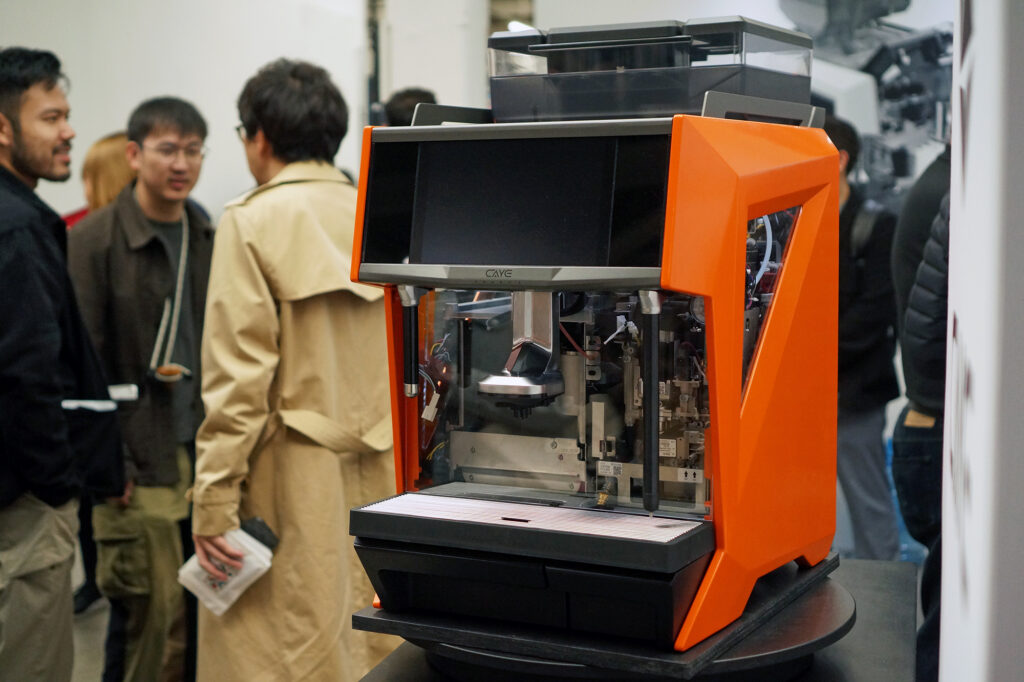
Many espresso machine manufacturers highlighted such labor-saving features designed to streamline bar service, including LaCimbali’s HQM Technology (“designed to take the complexity out of milk prep”) and Eversys’ Shotmaster machine (offering “automation where it counts”).
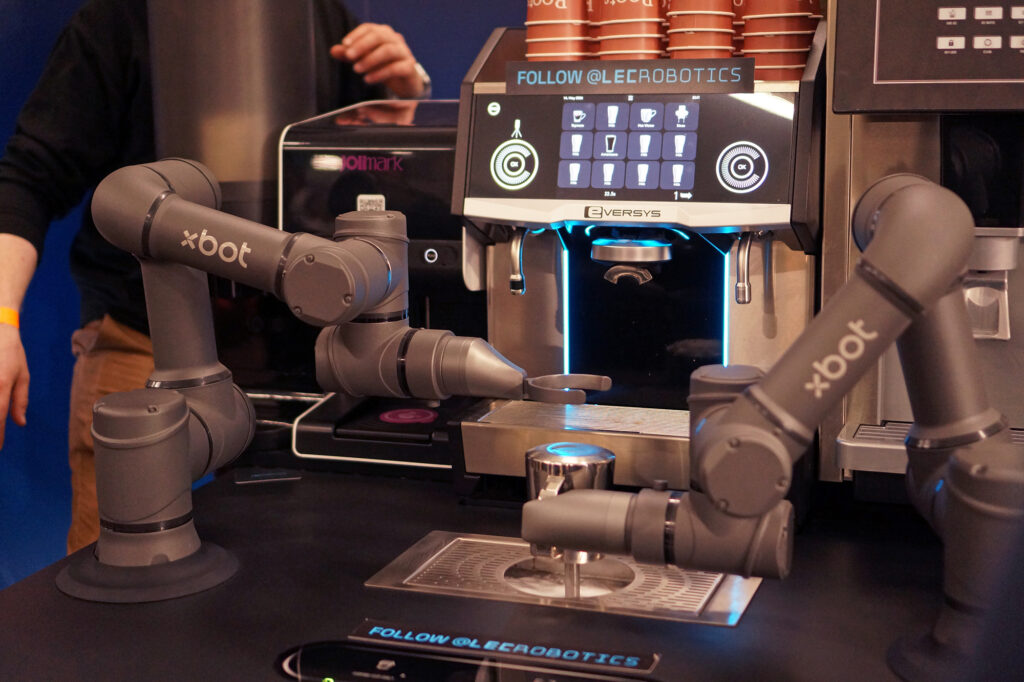
Others more explicitly mimicked barista labor. Caye described its commercial-grade, fully automatic coffee machines as “the future of espresso machines” which “emulate the artistry of elite baristas”—sans workers. And then there was LEC Robotics, whose coffee-making robot arms pulled espresso shots and poured swan latte art for attendees, all for far less than the cost of human labor (as its signs advertised).
It was uncanny to witness swan after perfect swan emerging from the bionic arms. And amidst the unrelenting squeeze facing the industry, it felt like a glimpse into a darker potential future for coffee.