Do you remember your favorite-ever coffee? The one that first sparked your interest in specialty coffee, or that stayed with you long after the last beans were brewed?
Coffee perfection is inherently fleeting, and recreating that same taste experience is challenging, or even impossible. As soon as it is picked and processed, green coffee begins to age and deteriorate.
Depending on the coffee, that process could take a year; for others, it’s a matter of months. And there is no guarantee that the next harvest from a particular farm or region will taste the same as the previous year’s. Weather patterns, soil inputs, pests and disease—these factors all change year to year, and impact the flavor of the final cup.
But what if there were a way to travel back in time to that perfect coffee—or suspend it indefinitely, to be enjoyed again and again?
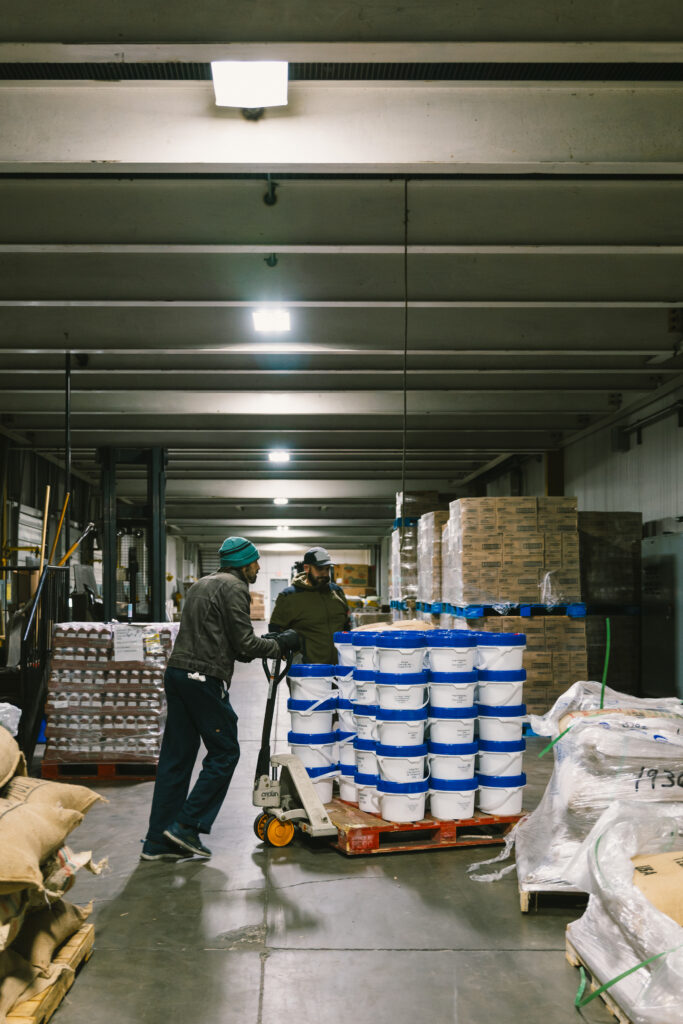
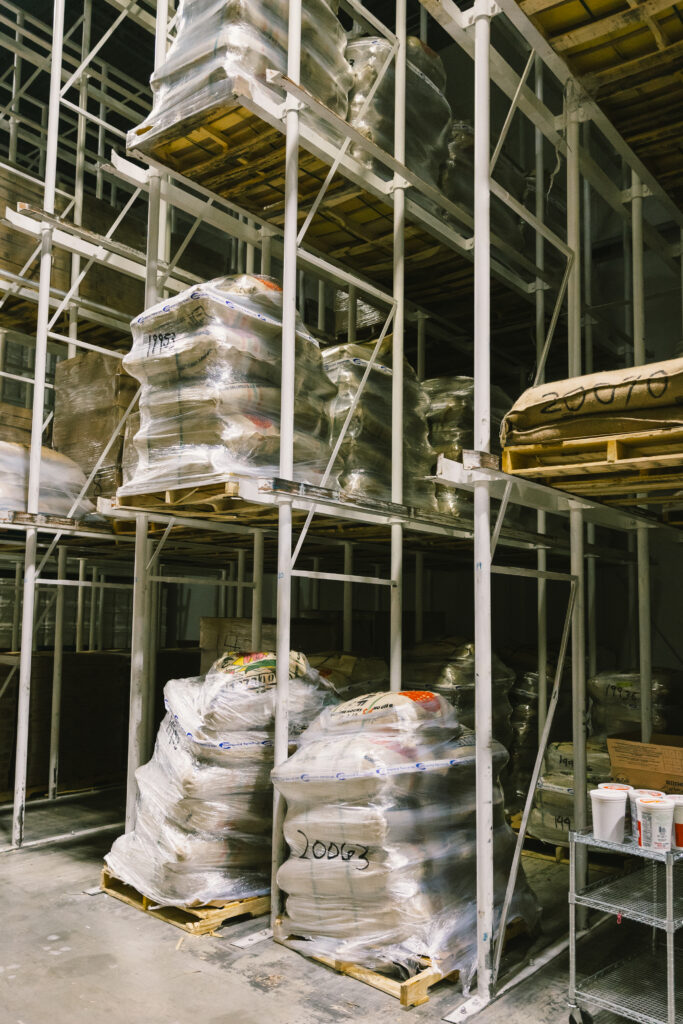
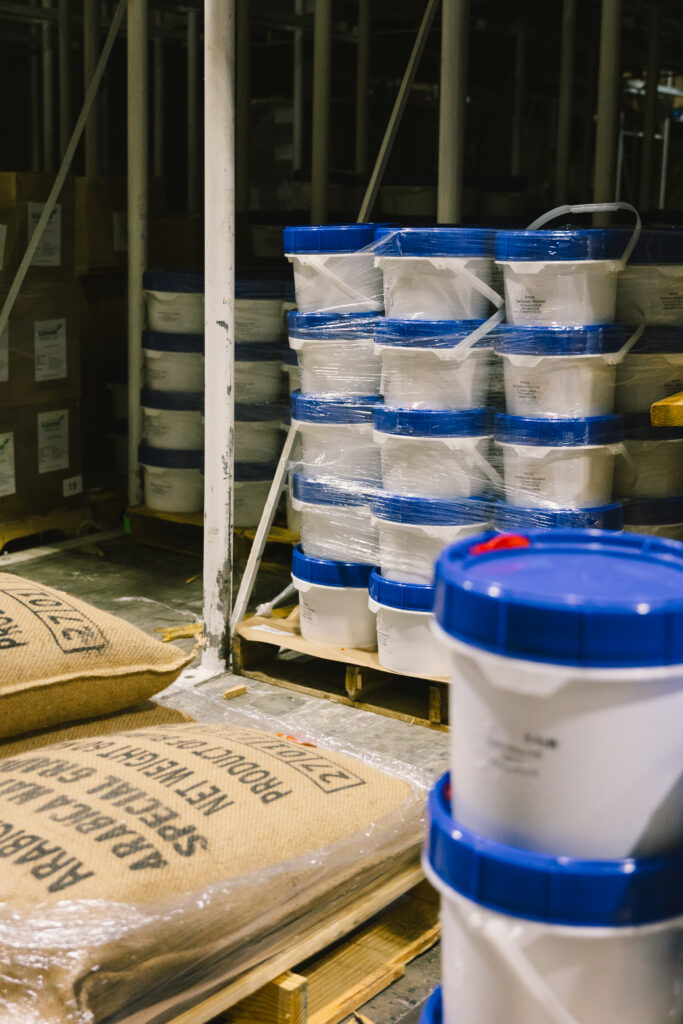
A growing number of coffee producers believe freezing green coffee could make that possible. First pioneered by specialty coffee pioneer George Howell in the early 2000s, the technique has many purported benefits, from helping preserve coffee at the peak of its freshness and quality to reducing waste.
To showcase the possibilities of long-term freezing, the Lancaster, Pennsylvania-based Passenger Coffee Roasters released a Kenya Kiriani Peaberry in February, which was harvested a full decade ago. “After 10 years, that coffee should have been tasting completely papery and musty,” Passenger’s director of coffee, Russ Durfee, tells Fresh Cup. On the contrary: “We did a sample roast and found it was tasting amazing still.”
‘There’s Nothing Like It’
Coffee roasters are in a constant battle with time, and it is a battle they cannot win. As soon as a coffee is picked and processed, it begins to age, losing vibrancy and tasting progressively older and staler. The exact timeline depends on many factors, including how it was processed, transported, and stored, but eventually the decline in its sensory attributes becomes unignorable.
“Age reduces the flavor of a coffee to the same flavor note, whether it’s from one origin or another,” George Howell says. “It’s like watching a color photograph go from bright colors to sepia that has been in the sun all year long. It loses all distinction.”
In order to try and manage this slow decline, many roasters focus on seasonality in their approach to coffee buying. Because coffee is grown around the world, and harvests take place at different times, roasters can switch among origins throughout the year. In the spring it might be Kenya, in the summer Ethiopia or Mexico, while the autumn could see more focus on Guatemala.
Doing so ensures that the coffee a roaster sells is always as fresh as possible—at least in theory. But there are downsides: For example, once a coffee starts to show signs of age, it’s often difficult to sell, and must either be discarded or blended with other coffees to hide the telltale signs.
But freezing shows that there is another way to slow down the aging process, if not stop it entirely. Coffee cryogenics is not a new concept; Howell began experimenting with freezing green beans back in the early 2000s. His eponymous company, George Howell Coffee, eventually invested in commercial cold storage in order to preserve every new coffee that came into its Boston-area roastery. “For well over two decades now, we freeze everything,” Howell says. “What a pleasure it is for me to drink my Mamudo from Kenya a year after harvest and it’s fully there. There’s nothing like it.”
Howell’s approach didn’t hit the coffee mainstream until 2017, however, when he showcased several three- and four-year-old coffees, all of which had been frozen, at the Specialty Coffee Association’s Re:co symposium. “We had lines out the door during the symposium with these tastings,” Howell says. “I suspect that’s what really seeded the concept.”
A Decade in the Freezer
Passenger Coffee has been freezing all its green coffee for nearly a decade, and releases small batches of archival coffees once a month. In February, the company went further, selling a Kenya Kiriani Peaberry that had been harvested 10 years earlier, in 2016.
Howell’s experiments inspired Passenger to explore freezing on a small scale in 2014, Durfee says. Before that, like so many other specialty roasters, it had been buying coffee more often and in smaller amounts to try to ensure freshness. In 2017, the team began freezing all their coffee, renting warehouse space in a nearby cold-storage facility as part of that transition.
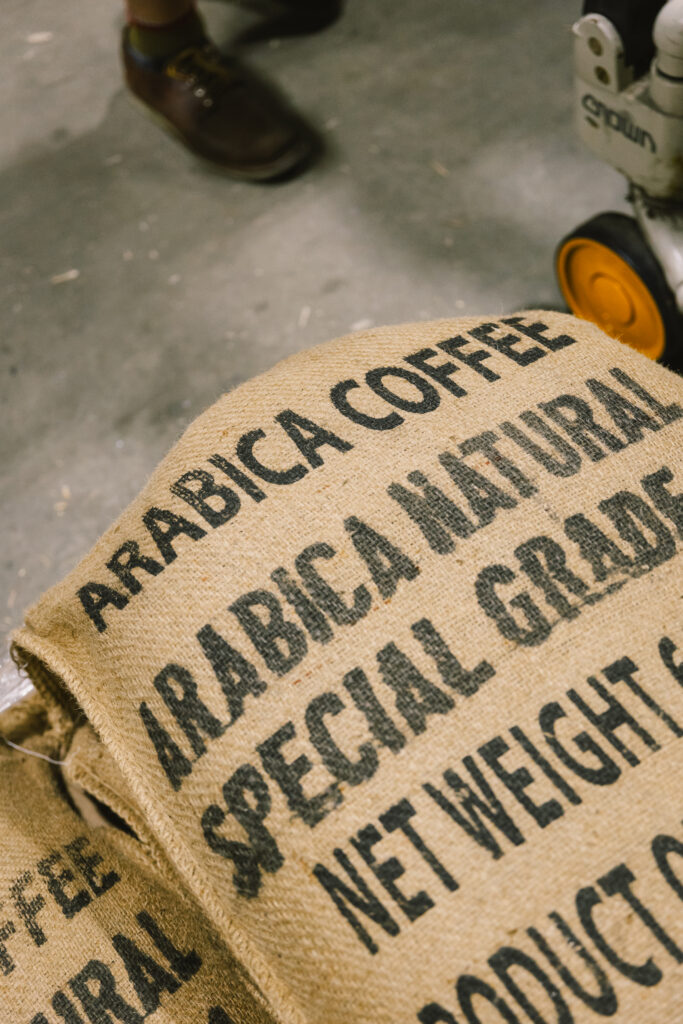
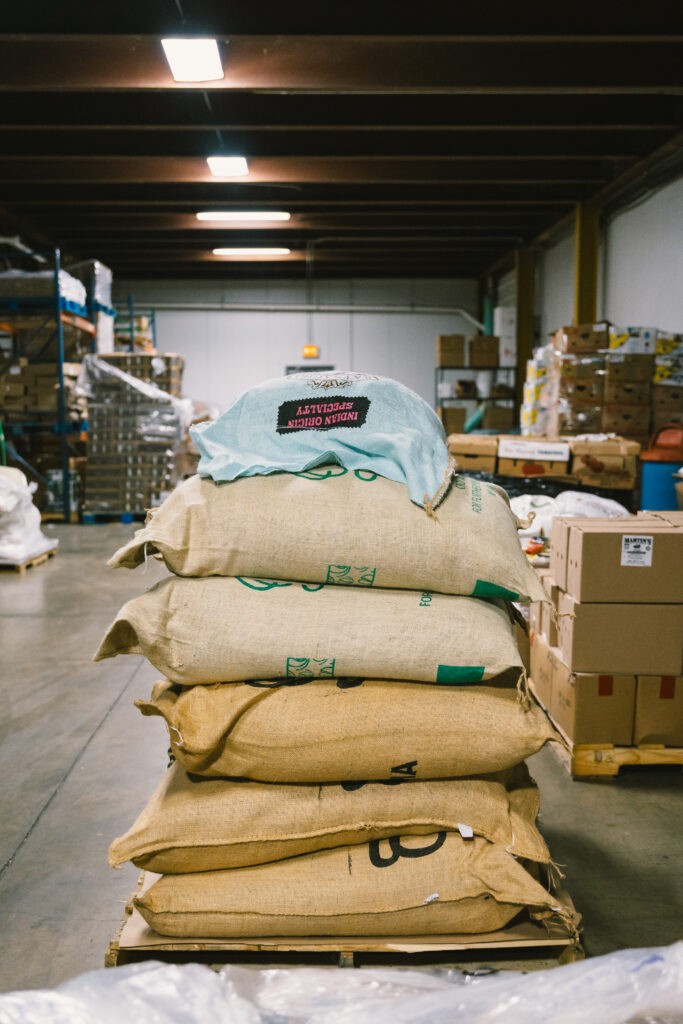
Freezing everything, Durfee explains, has allowed Passenger to increase the amount of coffee it buys from each farmer, and therefore also increase its impact. “At scale, we could go to the producer and buy a year’s worth of coffee, because we’re not worried about it going stale,” he says. Buying more coffee from the same farmers and freezing it also makes Passenger’s wholesale and retail offerings more stable, Durfee says. Customers can rely on their core coffees being available, and still tasting fresh, year-round.
The Kenya re-release came about a little bit by accident. Two years ago, Durfee decided to catalogue and revisit all the coffees that Passenger employees had frozen over the previous decade. Not everything still tasted good, but the Kenya Kiriani held up exceptionally well. “I was just kind of blown away by it,” Durfee says, and so the team decided to hold onto it until they could do a proper 10-year anniversary release.
Durfee acknowledges that a 10-year-old coffee still tasting good is unusual, noting that Passenger usually aims for five years as a maximum. He acknowledges that the team isn’t exactly sure why this particular coffee tasted as good as it did after such a long time. “Is it specific to Kenya and the density?” he says. “Or was it the way that this particular coffee was vacuum-sealed and frozen, or the material that it was vacuum-sealed and frozen in?”
Stay Cool
Other coffee companies are also experimenting with freezing coffee. Cometeer sells flash-frozen coffee capsules in partnership with some of the United States’ most famous roasters. Proud Mary Coffee freezes its green coffee, but has also gone so far as to install a custom freezer for its cafe espresso grinders. Kyle Ramage used dry ice to freeze the coffee that won him the 2017 US Barista Championship. And plenty of home coffee aficionados swear by freezing their coffee purchases.
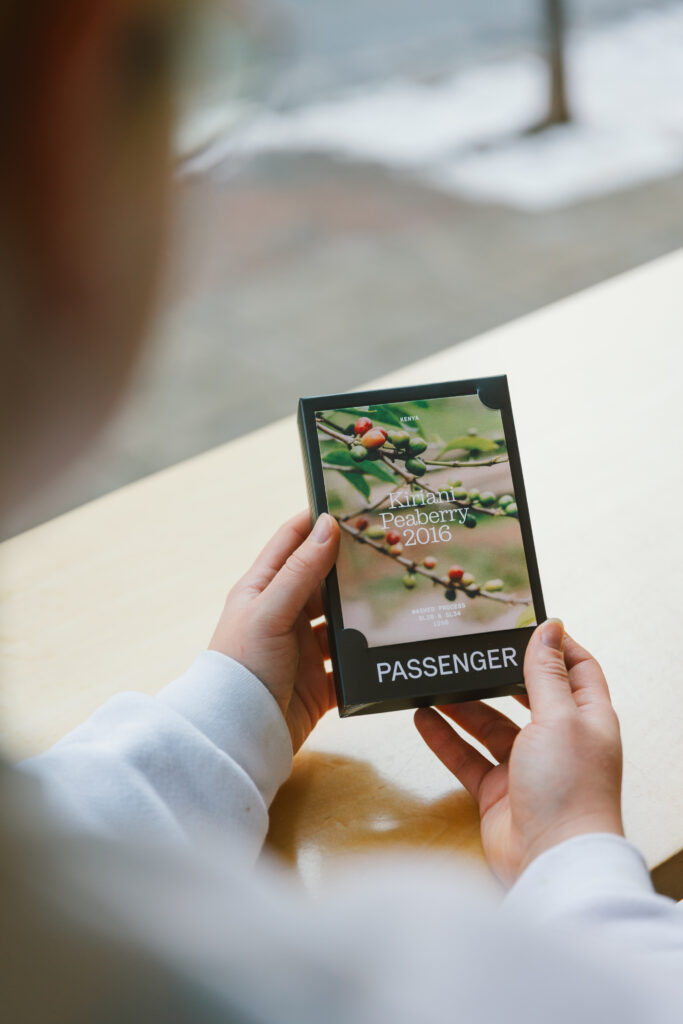
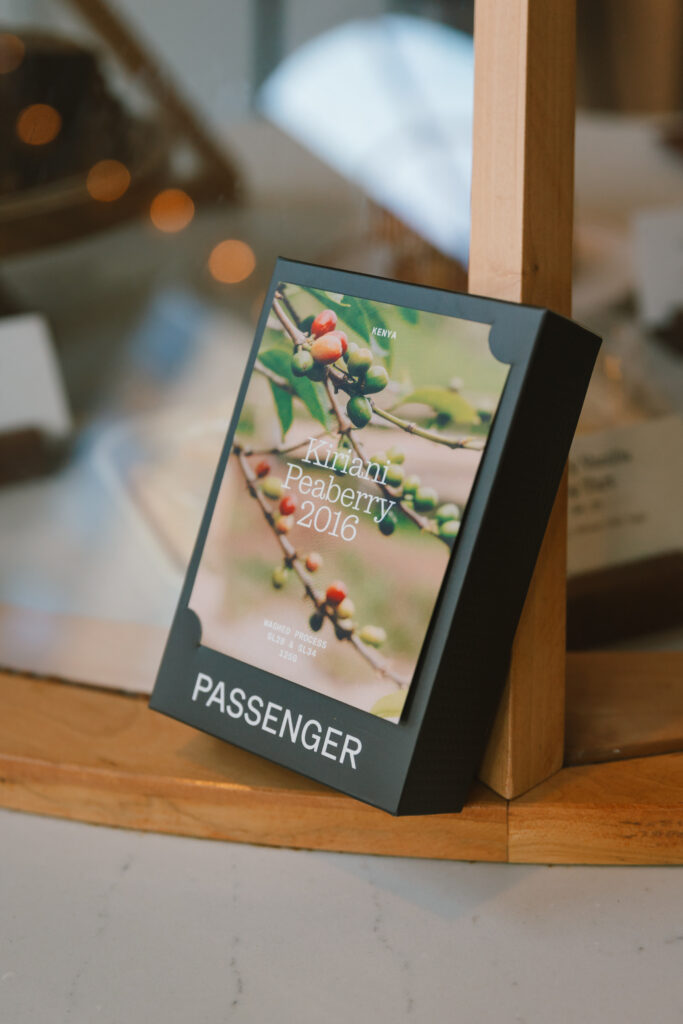
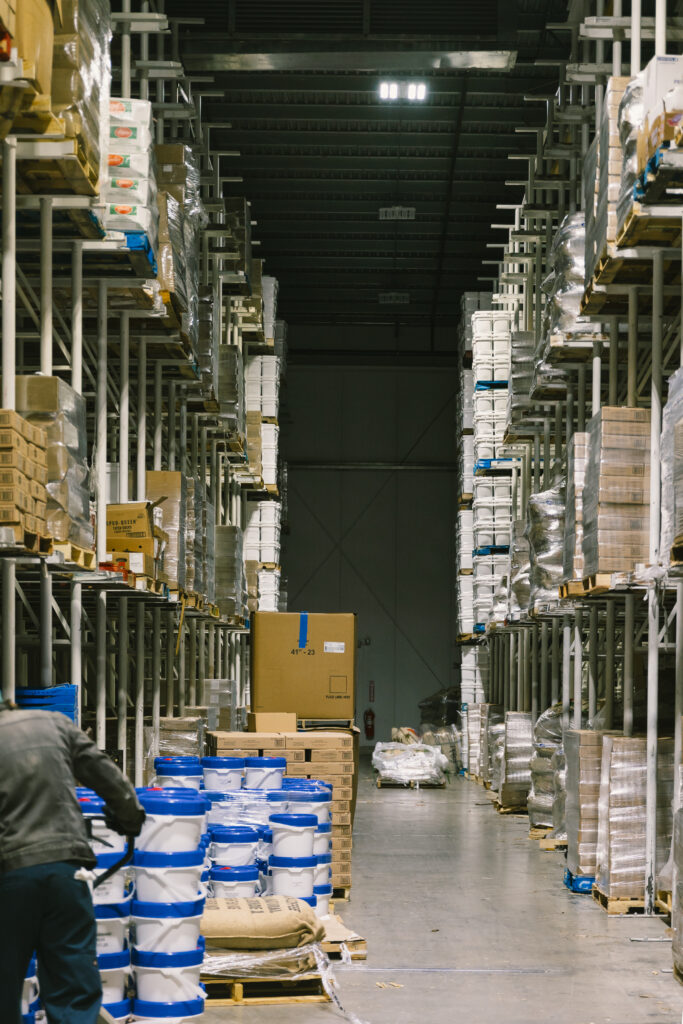
There are logistical challenges that have stopped coffee freezing from going mainstream, however. Not every roaster has the space for commercial freezers, or a cold-storage warehouse facility nearby, and there are added costs involved in this sort of specialized storage.
There’s also extra time and labor involved. While Passenger’s roastery has a walk-in freezer, much of its storage is still located off-site, which means coffee has to be collected from the warehouse and defrosted before roasting. Passenger and George Howell both thaw their frozen coffee for a couple of days before roasting, adding an extra layer of planning and logistics.
Coffee cryogenics isn’t a silver bullet. While it may reduce waste, freezing doesn’t eliminate it entirely. “If you put coffee that’s already starting to show age into the freezer, it will come out showing age,” Durfee says. “It doesn’t fix anything. It really just kind of locks things into place.” And even if frozen at its peak, depending on how it’s stored and for how long, there’s no guarantee that it will come out tasting as good as when it went in. Aging will eventually happen—it’s just slowed down significantly.
Still, both Durfee and Howell say that freezing green coffee is worth it. Howell points out that having aged, degraded coffees for sale devalues the work of the farmer and could drive away customers. “If you’re going to represent farmers, you need to freeze,” he says. “Or else you’re doing a disservice to them, because selling stuff that long past its prime is not going to get across the message that this is worth paying for.”