✉️ This story was featured in this week’s Coffee News Club
👋 Get the Coffee News Club newsletter in your inbox weekly—sign up.
In the wake of Trump’s 50% tariff on imports from Brazil, coffee shipments to the U.S. have fallen by almost half. To compensate for that decline, Brazilian coffee exporters have explored alternative exporting partners.
According to Cecafé, Brazil’s exporters’ association, shipments to Mexico and Colombia increased by 90% and 578%, respectively, in August compared to the same month a year earlier.
Now the head of Colombia’s coffee growers’ federation (known as the FNC) has called for stricter import controls on coffee entering the country from Brazil, according to reporting from Oscar Media and Dayanne Sousa for Bloomberg.
At the beginning of September, NPR reported that U.S. buyers were increasingly looking towards Colombia to replace Brazilian beans in their blends. Colombia’s tariff rate to the U.S. is 10%, significantly lower than Brazil’s, although its coffees generally sell for higher prices.
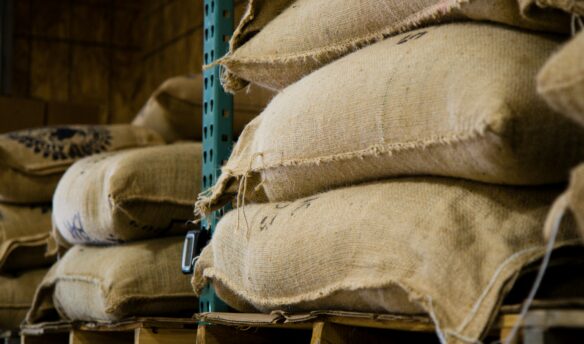
Germán Bahamón, FNC’s CEO, voiced worries that this might lead “unscrupulous exporters” in Colombia to take advantage of the differential. These exporters might try to repackage or blend the cheaper Brazilian coffee into bags labeled “100% Colombian Coffee” before export, he said.
Bahamón said the government should tighten the rules to “prevent any attempt at coffee triangulation that misrepresents the origin.”

Cecafé pushed back on the idea that its coffee was being blended and then shipped on to the U.S. from Colombia. “Our coffees are being purchased to meet domestic consumption, given the increase in Colombian coffee exports to the US,” Cecafé president Marcio Ferreira said.
Data from the International Coffee Association shows that shipments from Colombia to the U.S. have risen 16% as of July, compared to the same period last year. Analysts theorize that this increase is due to U.S. buyers seeking to diversify their sourcing.