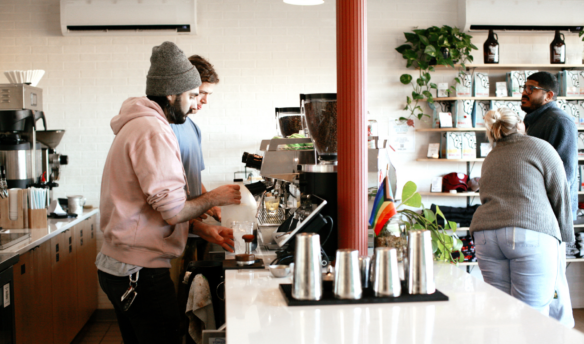
The Coffee Tech Stack series is presented by our partner, Square.

Rich Lee became a barista at Peet’s Coffee in 2012, back when San Francisco was emerging as a specialty coffee hotspot. Over the next few years, he worked at cafes across the city, including Sightglass, Barefoot Coffee Roasters, and Blue Bottle. It was during this phase of his career that Lee felt the first spark of conviction that he should open his own coffee company.
One specific incident inspired his decision. A first-time customer asked for a vanilla latte, and a coworker of Lee’s responded dismissively: “We don’t have a vanilla latte.” The customer left feeling confused. “If we’re trying to make coffee approachable, that’s not the right way,” Lee remembers thinking.
Lee and his wife, Liza Otanes, believed there was room in the city for a coffee company that pursued quality, but which didn’t succumb to the pretentiousness sometimes seen in specialty shops. The couple sold their cars and camera gear (which, as photographers, was a meaningful sacrifice) and poured all their money into a coffee truck. In 2017, Spro Coffee Lab was born in San Francisco’s Mission Bay neighborhood.
Nine years later, Lee and Otanes now run four Spro locations across San Francisco, with a fifth due to open this summer. Even more impressively, they’ve managed to grow without bank loans or outside investors. The couple also owns an entirely separate business: The Wild Fox, a high-end cafe serving Cup of Excellence coffees roasted in Japan for up to $105 a cup.
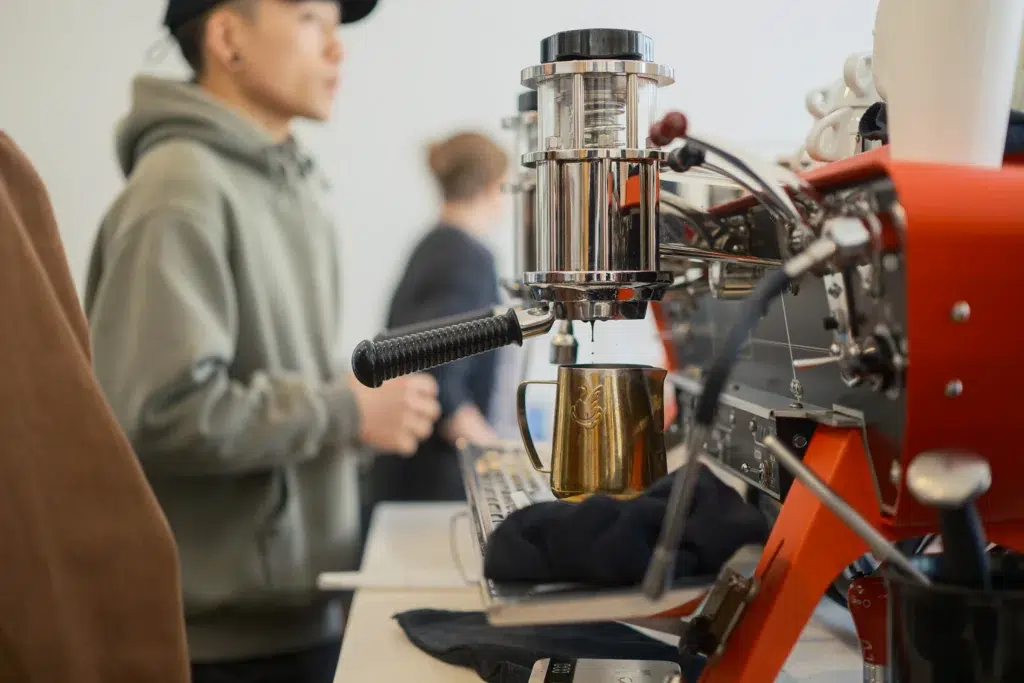
How did a bootstrapped coffee trailer grow into a multi-brand, multi-location operation without traditional financing? The answer goes all the way back to Lee’s technology decisions when the business was first starting.
Data Is the New Gold
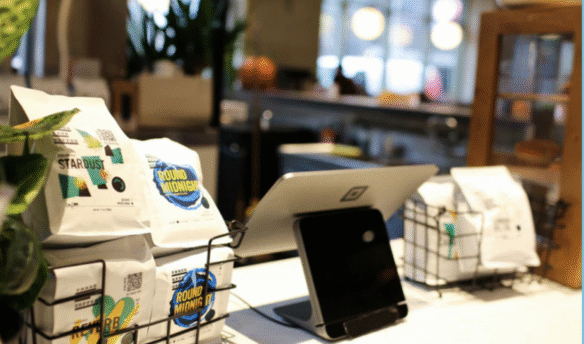
The early days of Spro required Lee and Otanes to be scrappy. They didn’t utilize much in the way of tech, but the couple did prioritize collecting operational data. Historical sales numbers, customer behaviors, trends by time of day, peak hours, and business finances were all tracked from the start. They used Square as Spro’s point of sale system.

“Data for me was the most important part of my business,” Lee says. “I don’t think that data really meant a lot at that point, nine years ago. But knowing that I had the data was part of the reason why I kept Square.”
In those early days, Lee wasn’t spending time in analytics. But sitting on the data would end up paying off later.
The first reward came when Spro Coffee Lab enrolled in Square Loans, which Lee calls an “industry secret.” Square Loans offers loans to businesses based on their sales history within the Square ecosystem. Because Square already has the relevant data, applying for loans is fast (compared to applying for a bank loan). The repayment model is built on a small, fixed percentage of each day’s sales, which is automatically deducted and applied to the loan balance.
In 2019, San Francisco experienced a long stretch of bad weather that caused foot traffic to decline. Needing a cash infusion to keep the coffee trailer operating, Lee took out his first loan, $15,000, to keep the lights on and his team paid. The company made it through the downturn because of that loan, and Lee was able to pay it off through Spro’s daily sales.
“I was able to pay off a $15,000 loan without even feeling like I’d paid it off,” he says. “It was so easy.” In 2020, he took out a new loan from Square Loans, using the loan to fund the opening of a second location—this time a brick-and-mortar cafe for Spro Coffee Lab.
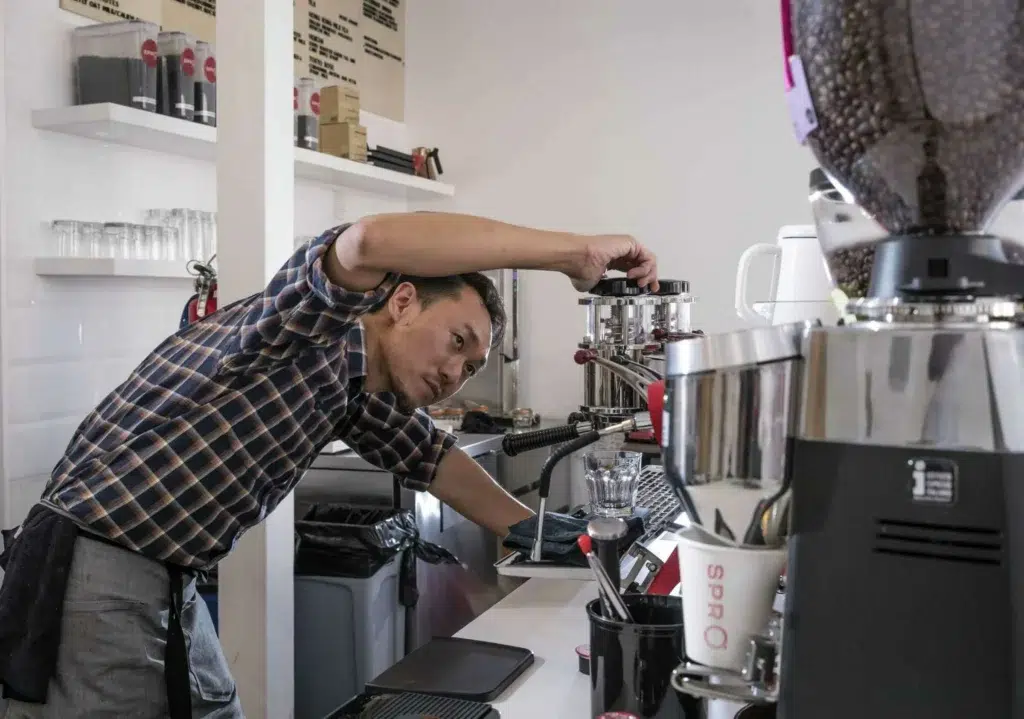
Square Loans’ offers are based on the number of registers a company has, so when Lee and Otanes opened their second location, they had two registers and two loan offers. Now, the company has five active registers—at its truck in Mission Bay and cafes in Mission Dolores, the Civic Center, US Law Campus, and next to the Four Seasons hotel—each of which functions as its own line of credit. “I can’t wait to see what my next loan will be when I have all six registers [following the opening of the next location] as a superpower,” he says.
Lee credits the company’s growth to being able to access working capital easily. He never had to navigate bank bureaucracy or investor conflicts, and was able to accept capital offers as needed, when opportunities arose. But he’s also careful to make sure the percentage he pays back to the loan out of each day’s sales doesn’t harm his ability to pay other expenses. “I never go over 7–8%,” he says.
Rethinking the Menu Using Sales Data With Square AI
When Lee and Otanes first opened Spro, their strategy was to offer a big menu to attract as many customers as possible. But lately, they’ve looked to simplify and cut back.
Data came to the rescue, again.
Lee began by asking Square AI, Square’s chatbot and analytics interface, about their sales data. He asked all kinds of questions: which drinks were the lowest-performing sellers; which moved best on specific days of the week, and at which hours, broken down by location.
“Being able to look at this data and ask simple questions—like, ‘How often do I sell this?’” has been transformational, he says. “The demographics are all different in each neighborhood, so it allows me to make that decision [per location] instead of going off what’s in my head.”
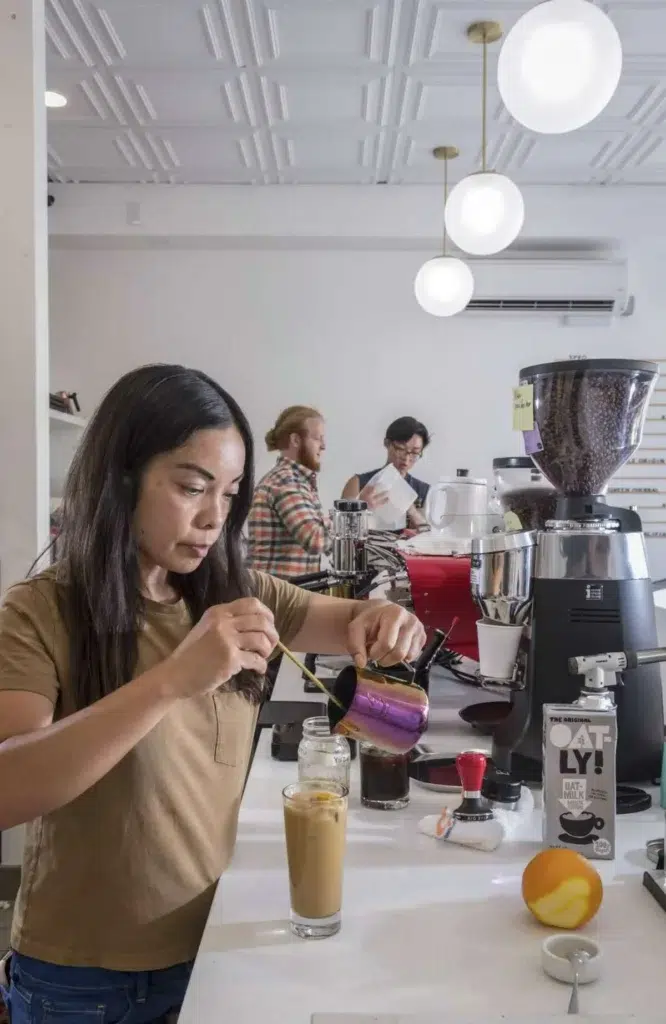
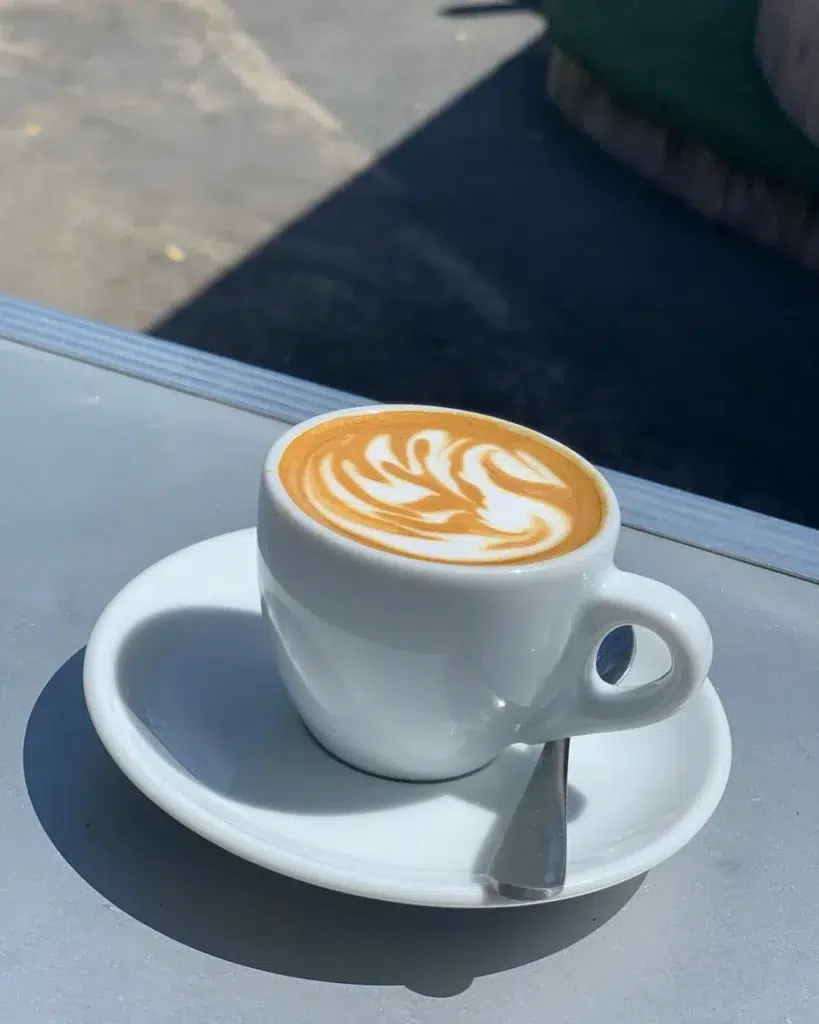
One of the findings was a surprise for Lee. The company has a few syrup-heavy drinks on the menu that he thought were popular, but are actually poor performers once the labor involved in preparing the ingredients is factored in. “The effort is not worth the profit,” he says. “So throw it out.” Using these new insights, Lee is currently planning a menu overhaul and preparing to cut a number of items altogether.
Nine years of historical sales data gives Lee the ability to track both macro and micro trends for Spro Coffee Lab, and it’s something he’s excited to explore more. “How rare is that,” he says, “to have an insider’s glimpse of knowing when this drink sells the most, at what hour, and usually what part of the week?”
Lee Wants To Be a Coffee Guy, Not an Admin Guy
While he has a lot to say about technology, Lee sees himself, first and foremost, as a coffee and hospitality person, not an operations and administrative leader. The tech is just a way to get him where he wants to be: focusing on creating exceptional experiences for customers.
“The last thing I want to do is scheduling and payroll,” he says. “I want to focus on the things we love about the company: the coffee, the experience, the relationships.”

He recalls a trip to Japan where he spent time in the hotel room doing payroll instead of enjoying the vacation with his family. That’s the kind of thing he never wants to repeat. “Wouldn’t it be nice,” he says, “if us coffee professionals stayed actually in the coffee and not in administration?”
Lee has started using ChatGPT to help with tasks that used to eat up hours, like updating employee handbooks, generating onboarding materials, and researching California-specific labor regulations. He describes learning through an AI conversation that in California, if an employee misses a 10-minute break, the employer owes them an additional hour of pay. “Who would know that?” he says. “This was never explained to me as a barista.”
Tip calculations for payroll also used to take hours, but now only require 20 to 30 minutes. Lee says AI was helpful for understanding insurance policy rates for staff, as well as best practices for time-off requests.
Lee is also quick to hire human experts for areas where long-term collaboration is important. For example, for the first two years of Spro, he did all of his own bookkeeping, but then hired an accounting firm. He expected to lose money on the expense—but the opposite happened.
“I ended up paying less taxes,” he says. “I ended up getting higher returns because the accountant was able to figure out things I didn’t even know about.” He suggests other operators get out of the complex admin tasks they aren’t trained on. “Get a professional to do the professional stuff. You end up saving money.”
Launching The Wild Fox, And What’s Next for Spro
Spro was built to be approachable to all kinds of coffee lovers. But given that Lee has an active judging role in Coffee Champs—the global competition arm of the Specialty Coffee Association—he was also interested in exploring more complex drinks. He wanted to open a cutting-edge cafe where he could serve experimental coffee styles and host champion baristas for events.
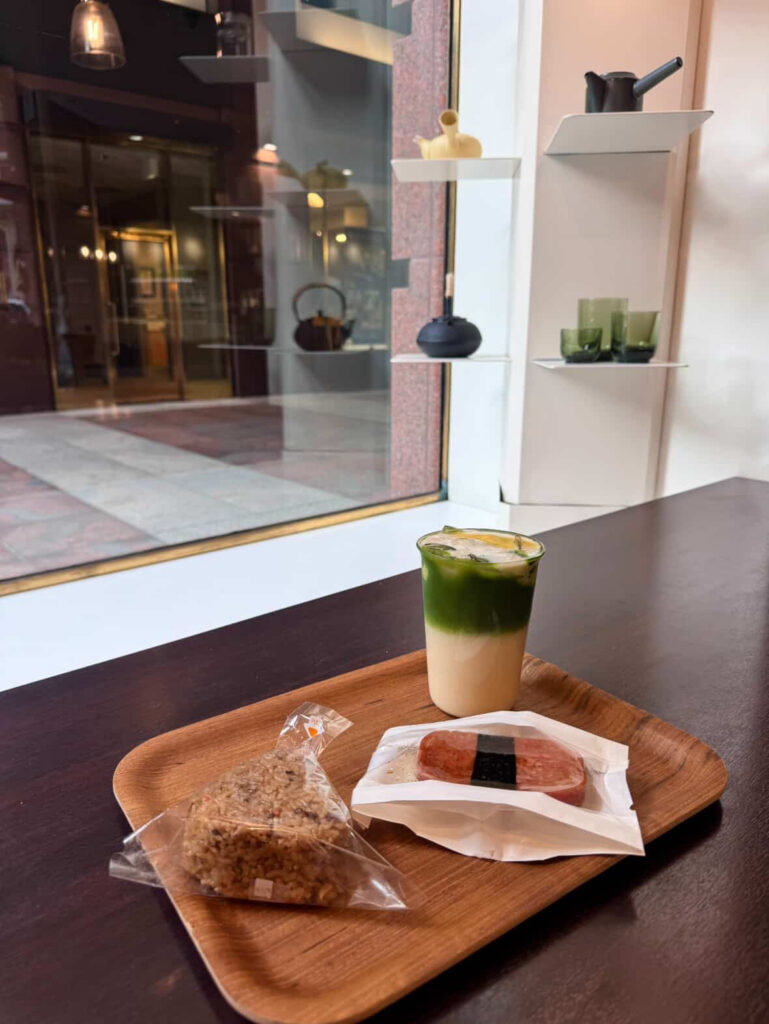
The Wild Fox, which opened last winter, is just that business. It serves rare and high-end coffees ranging from $5 to $105 per cup. The coffees, many of which are Cup of Excellence winners, are roasted by a pair of Japanese roasters: Glitch and ou·bai·tou·ri coffee roasters. The beans are roasted in Japan, frozen, shipped to San Francisco, thawed, dialed in, and served to guests.
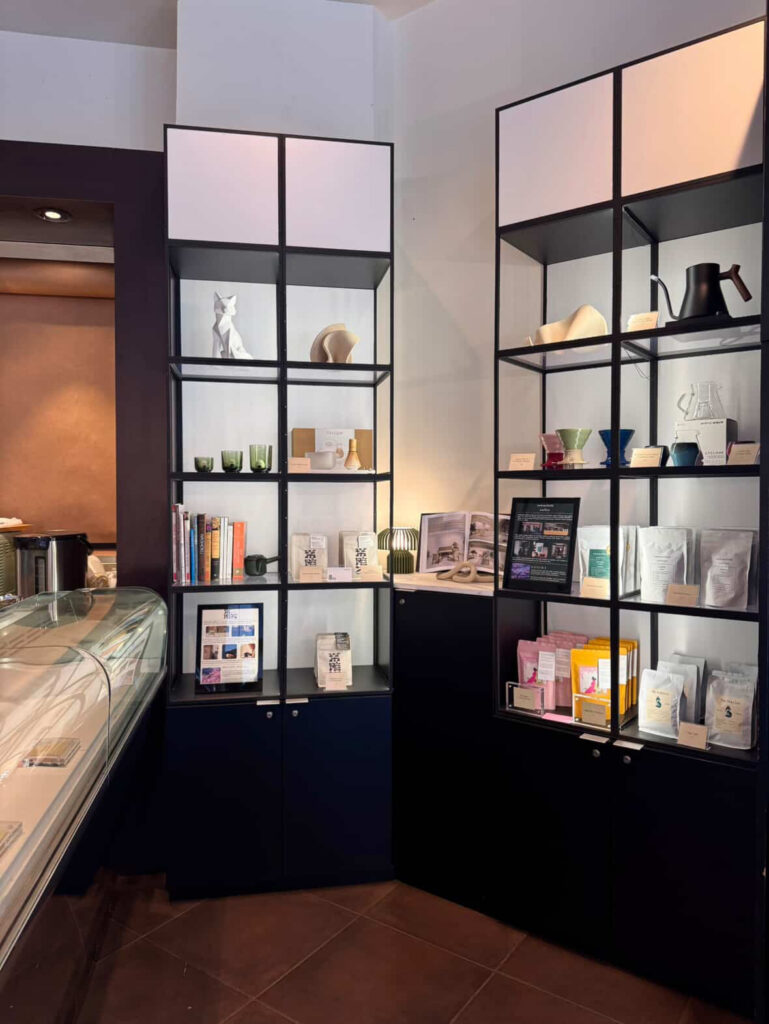
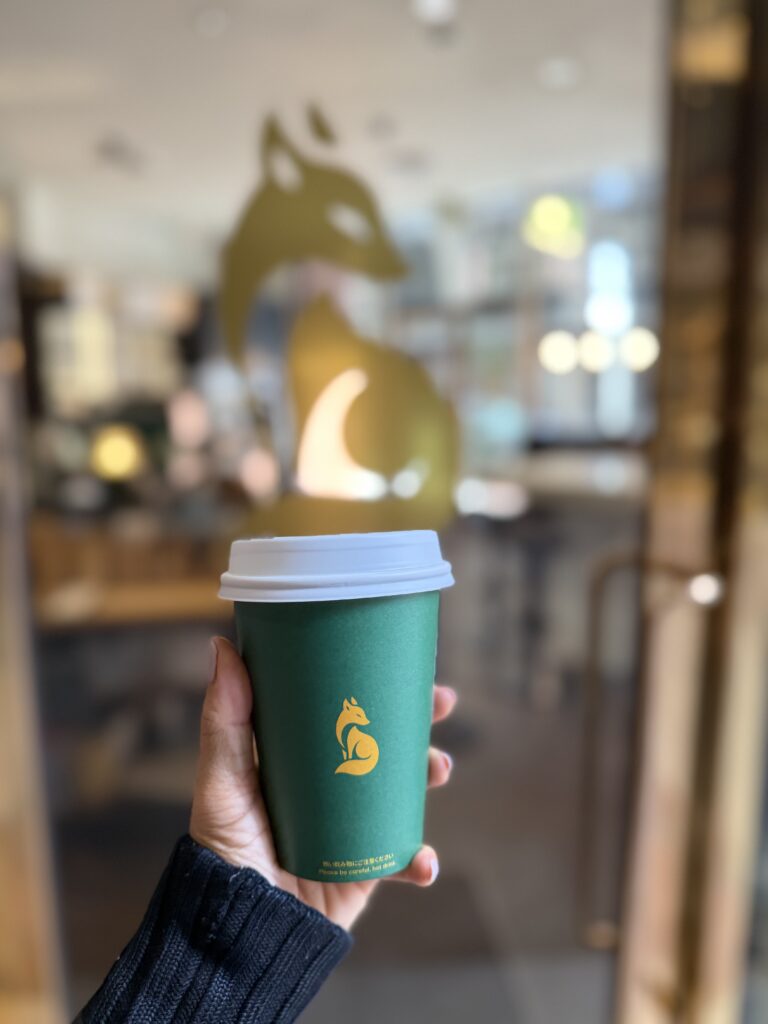
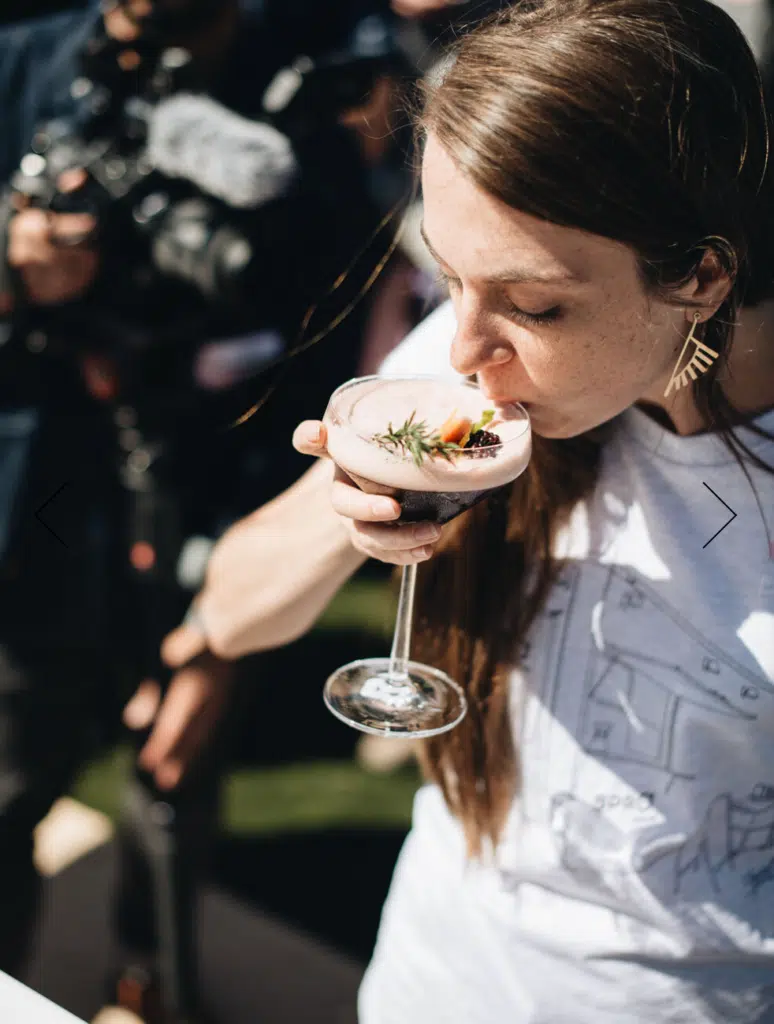
In April, Lee invited the 2025 Denmark Barista Champion, Christopher Sahyoun Hoff, to perform his routine and serve his drinks for a special event (tickets were $225). In June, the 2025 U.S. Barista Champion, Kay Cheon, will be the focus of another ticketed event. “He’s serving coffee that’s only meant for world judges and that’s easily $200 per pound,” Lee says. “I want to make it accessible for everybody.”
Lee opened The Wild Fox next to the Four Seasons Hotel, expecting modest traffic. It became his busiest location.
From a tech stack perspective, The Wild Fox is an entirely separate company from Spro. It has a different LLC and a different Square account. Even the coffee equipment is intentionally distinct—different grinders, espresso machines, syrup bottles, and whisks.
“If I need something, I ask, ‘Does Spro use it? If Spro uses it, I’m not using that,’” Lee says. This separation is a way to ensure each brand has its own identity, down to every last detail.
The fifth Spro location opens this July on the Embarcadero, along San Francisco’s eastern waterfront (and near Google and Meta’s offices). For the project, he hired the architect who designed the original Blue Bottle cafes. He’s also exploring expansion into Washington, D.C., while The Wild Fox is planning a pop-up in Japan this October.
But no matter how many locations he opens or how far the brands expand, Lee’s priority remains the same: Stay in the coffee, obsess over the hospitality, and let technology handle the rest as much as possible.
“I still really, really deeply care about specialty coffee and my place in it,” he says.
Spro Coffee Lab Coffee Tech Stack: At a Glance
- Point of Sale: Square
- Payroll & HR: Gusto
- Scheduling: When I Work
- Bookkeeping: External accounting firm
- Team Communication: Signal
- Project Management: Google Calendar
- Knowledge Management: Gusto (onboarding docs), Google Drive
- Online Ordering: Square Online
- Inventory Management: Google Sheets, Google Forms
- AI: ChatGPT, Square AI

Sponsored by SQUARE
The Coffee Tech Stack series is presented by Square. Square is a point of sale technology provider and longtime innovator that now offers a comprehensive suite of tools built specifically to help coffee shops and roasters operate smoothly and profitably.