✉️ This story was featured in our Coffee News Club year-end wrap-up—our weekly digest of the most important stories shaping coffee.
Once again, the coffee labor landscape in 2025 was shaped largely by the continued push for a first contract at Starbucks, a fight that has persisted since the company’s first store unionized in 2021.
Contract negotiations broke down in January over what Starbucks Workers United called “almost laughable” pay and economic proposals from the Starbucks side. SBWU said that the breakdown coincided with Brian Niccol being hired as CEO the previous year; the company blamed the breakdowns on the union for walking away from negotiations multiple times.
In March, SBWU held the first of several strike actions at stores in six U.S. cities, which Starbucks described as “undermin[ing] the ongoing mediation process.” More walkouts took place throughout the year, leading up to the start of a strike that began in November to coincide with Red Cup Day, Starbucks’ busiest day of the year. That strike hasn’t ended yet—instead, it has expanded to include thousands of baristas in hundreds of cities. Starbucks insists the strikes have not meaningfully disrupted business.
👋 Get the Coffee News Club newsletter in your inbox weekly—sign up.
Beyond Starbucks, 2025 saw many coffee unions at large or private-equity backed specialty coffee chains. In May, workers at seven Boston-area Blank Street Coffee locations filed to unionize, following in the footsteps of action their New York colleagues took three years earlier.
In 2024, workers at five Blue Bottle Coffee locations in Boston voted to unionize, and in 2025, their West Coast colleagues followed. Four stores in the Bay Area of California won their union elections in August. The union has been in negotiations over a contract since the Boston workers won their vote in 2024; over the Thanksgiving weekend, unionized workers went on strike to protest the lack of progress and in protest over what they said were retaliatory firings against union members.
Anodyne Coffee in Milwaukee, which was purchased by private equity-backed FairWave in 2023, filed a petition to form a union in April. Workers requested voluntary recognition from FairWave, and after that was rejected, won their election in June, only for FairWave to challenge the results. In October, the National Labor Relations Board sided with the workers and rejected the challenge.
There were union wins at well-known spots like Equator Coffee in Los Angeles and Verve Coffee Roasters in Santa Cruz. Workers at a handful of Verve locations moved to unionize after news broke in September that the roaster violated a local law that requires employers to pay for certain workers’ health benefits. Those same workers then moved to unionize, citing wages that are not high enough to support living in one of the country’s least affordable areas.
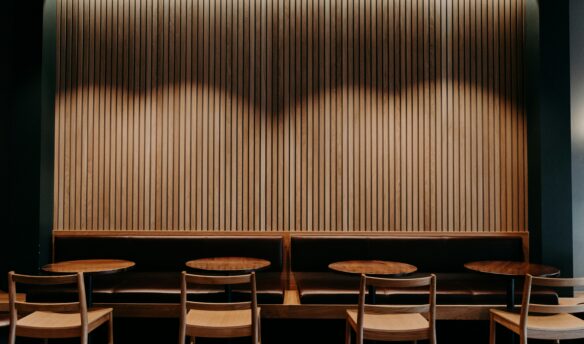
Photo by Kevin Loesch on Unsplash