✉️ This story was featured in our Coffee News Club year-end wrap-up—our weekly digest of the most important stories shaping coffee.
Starbucks is always in the news, and 2025 was another turbulent year for the mega chain. CEO Brian Niccol continued with his “Back to Starbucks” reinvention plan, intended to pull the brand out of its multi-year slump and declining sales. Having focused on automation for years, the coffee giant paused a series of tech roll outs to focus on hiring more staff.
However, to cut costs, Starbucks also closed stores and twice laid off corporate workers while capping raises, yet still offered executives multi-million-dollar bonus incentives. In July, we learned that Niccol earns 6,666 times more than the average Starbucks worker, the second-largest pay gap between workers and CEOs of the 500 biggest publicly listed US companies..
Starbucks has tried other things to make stores more appealing—comfortable seating, a pared-down menu, writing names on cups—but none of these things have paid off just yet. In Starbucks’ last quarterly earnings report for 2025, data showed a modest recovery in global sales, but U.S. sales remained flat. Data also showed that customers still aren’t lingering like they used to.
Coffee consumption is constantly evolving. Twice a year, the National Coffee Association puts out its National Coffee Data Trends report to track new trends and changes in how people consume coffee. There was nothing too surprising in the reports released in 2025, but there were notable data points.
In the April report, we found out that specialty coffee consumption has grown 84% since 2011, and in September we learned that cold coffee is becoming more popular. Another data point was a rising focus on convenience, with drive-thru and app-ordering both becoming more popular. However, there are some throwbacks too: both instant coffee and flavored creamers are having a renaissance due to their popularity among Gen Z coffee drinkers.
👋 Get the Coffee News Club newsletter in your inbox weekly—sign up.

Another big source of news in 2025 were coffee acquisitions and sales. In April, FairWave, a private equity-backed specialty coffee holding company, continued its expansion across the U.S. by acquiring the prominent North Carolina-based Black & White Coffee Roasters.
That same month, iconic Italian moka pot manufacturer Bialetti was sold to a Hong Kong-based private equity firm. And in August, San Francisco-based specialty chain Philz Coffee was also purchased by a private equity firm. While the terms of the sale enriched investors and executives, it also cancelled certain stock owned by current and former employees, leaving their investments “effectively worthless.”
Toward the end of the year, big players got involved in the wheeling and dealing. In September, Keurig Dr Pepper announced they would be buying JDE Peet’s for $18 billion to form the second-largest coffee company in the world (only second to Nestlé). The next month, Coca-Cola put the U.K.-based chain Costa Coffee up for sale—at a significant loss from its purchase six years ago. And in December, news broke that Nestlé was considering selling Blue Bottle Coffee—possibly to the Chinese chain Luckin Coffee.
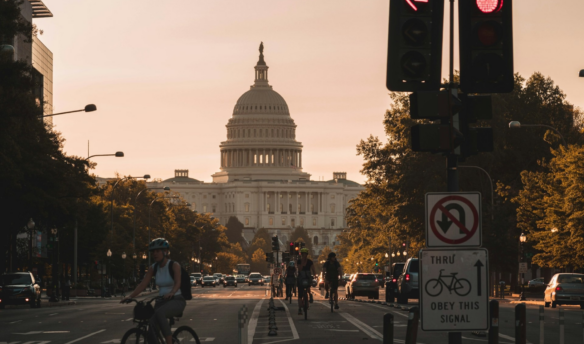
Photo by Greg Pappas on Unsplash