✉️ This story was featured in this week’s Coffee News Club
👋 Get the Coffee News Club newsletter in your inbox weekly—sign up.
Starbucks is once again on the receiving end of a proposed class action lawsuit over its coffee sourcing practices.
As Megan Ulu-Lani Boyanton reports for The Seattle Times, the lawsuit alleges that Starbucks misled consumers through its “Committed to 100% Ethical Coffee Sourcing” pledge. The ethical sourcing pledge features prominently on Starbucks packaging and in marketing materials. However, investigations by reporters, government bodies, and worker advocates have repeatedly found alleged human rights violations within its supply chain, the complaint contends.
Additionally, the suit accuses Starbucks of failing to disclose the presence of volatile organic compounds in at least one of its decaffeinated coffee products. The law firm Hagens Berman filed suit on Jan. 13 on behalf of two Starbucks customers.
Starbucks denied the allegations. “We take the allegations raised in the [lawsuit] seriously, but we firmly believe they are inaccurate and misrepresent both our sourcing practices and the integrity of our Coffee and Farmer Equity (C.A.F.E.) Practices program,” spokesperson Leandro Cavinato Herrera told The Seattle Times.
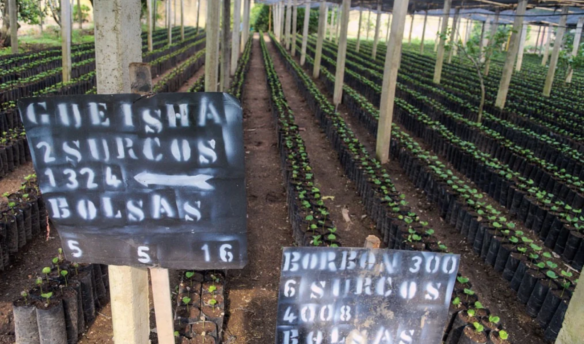
Over the past decade, Starbucks has faced several allegations of human rights violations against workers on farms in its supply chain. The lawsuit details several, concentrating on farms in Brazil.
“Those claims included citations for unsafe working conditions in 2015, reports of moldy and pest-infested employee housing in 2018, complaints about 17-hour shifts in 2018, and evidence of illegal underage workers in 2022,” Boyanton writes. Despite numerous reports, Starbucks continues to market its coffees as 100% ethically sourced.

This isn’t the first time Starbucks has been sued over its sourcing practices. In 2024, a consumer advocacy group sued the coffee giant for false advertising based on its “100% ethical” labelling. In 2025, a different advocacy group filed a federal lawsuit against Starbucks on behalf of eight Brazilian farmworkers who claimed they were trafficked and forced to work in “slavery-like conditions” on farms within the company’s supply chain.
In addition to the sourcing claims, the lawsuit alleges that Starbucks failed to disclose the presence of chemicals such as benzene, toluene, and methylene chloride in its decaf coffee products. Methylene chloride is a solvent widely used in coffee decaffeination.
This “deceptive omission,” as the suit describes it, resulted in customers buying products they might otherwise have avoided. Starbucks told The Seattle Times that safety and quality are its highest priorities.
Read the full story on the latest lawsuit against Starbucks from The Seattle Times here.
Photo by Erik Mclean on Unsplash