✉️ This story was featured in this week’s Coffee News Club
👋 Get the Coffee News Club newsletter in your inbox weekly—sign up.
The latest edition of the Coffee Barometer dropped last week, 20 years after the first report was released in 2006. Produced by the NGOs Conservation International, Ethos Agriculture, Solidaridad Network, and VOCAL, the Barometer shines a light on how the global coffee industry is responding to big issues, from poverty to climate change.
This year’s report reflects on the progress made in the industry over the last two decades. However, despite a rise in corporate sustainability commitments, structural and systemic problems remain.
“Producer incomes still fall below living income benchmarks, labour is poorly rewarded, climate vulnerability continues to deepen, and most value is captured downstream rather than in producing countries,” the authors write in the report’s introduction. The Barometer frames the industry as “a political and economic system” that continues to concentrate power and wealth in consuming countries.
Here are a few highlights from this year’s report:
- Despite record-high commodity prices in 2025, many coffee farmers do not earn a living income. Unpaid family labor continues to subsidize the rest of the industry. The work of women and seasonal laborers remains largely hidden.
- Much of the value of coffee continues to be extracted by coffee conglomerates, their shareholders, and executives.
- While progress has been made in addressing some of the industry’s most pressing issues, approaches to solving major issues are fragmented due to a lack of oversight. Many companies have voluntary sustainability standards and in-house certification programs, which allow them to avoid external scrutiny.
The authors say upcoming regulations, particularly in the European Union, will be a big test for the industry. “Regulation is now imposing from outside what the sector has been unwilling to accept from within, but regulation alone will not be enough,” they write in the report’s summary.
“The sector faces a clear choice: keep managing the appearance of progress, or undertake the structural change a resilient coffee future demands.”

Read more about the state of the coffee industry from Comunicafe here, or read the full report here.
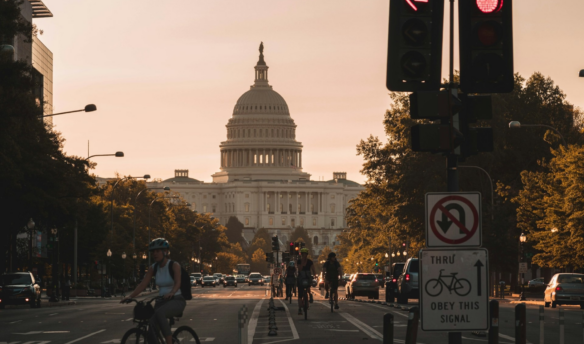
Photo by Shelby Murphy Figueroa on Unsplash